
Ultrasound-Guided Joint Injection
Persistent joint pain, stiffness, swelling, or reduced movement should not be ignored. Get a professional assessment to understand the possible cause and explore appropriate treatment options.
Take the First Step Towards Better Movement
Our experienced physiotherapists are here to help you improve mobility, regain strength, and move with greater comfort and confidence.
Joint pain and inflammation can affect your ability to walk, work, exercise, and perform everyday activities. Ultrasound-Guided Joint Injection uses real-time ultrasound imaging to help guide the injection towards the intended treatment area with greater precision.
What Is It?
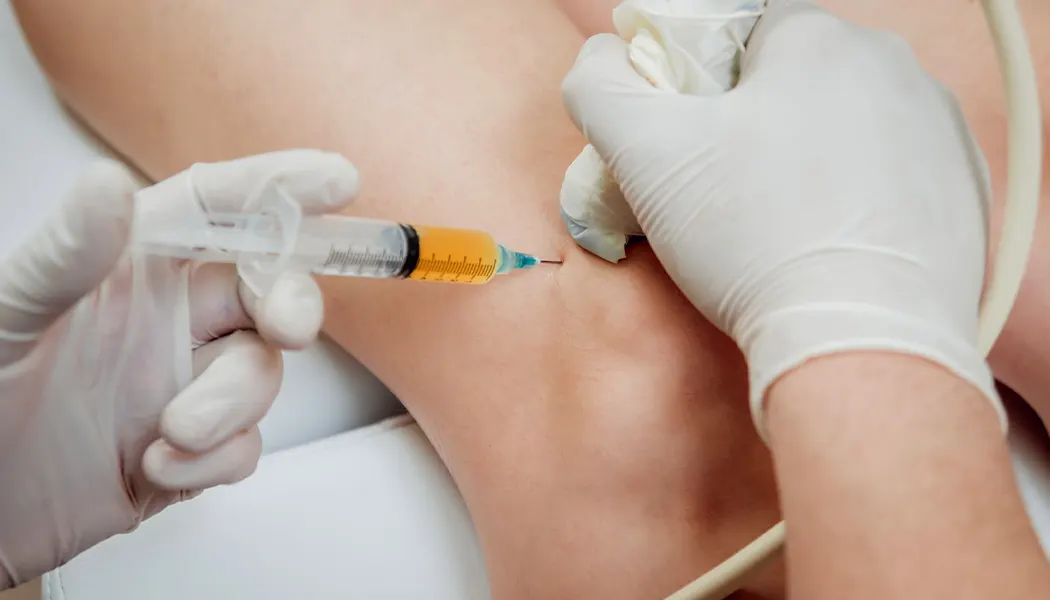
Ultrasound-Guided Joint Injection is a procedure in which real-time ultrasound imaging is used to guide a needle towards a specific joint or surrounding structure. The ultrasound allows the treating clinician to visualise relevant structures and guide the procedure more precisely.
Depending on the individual’s condition and medical assessment, different medications or injectable treatments may be considered. The exact type of injection, its suitability, potential benefits, risks, and expected outcomes are determined by the qualified treating clinician.
Ultrasound guidance may be used for injections involving joints and selected surrounding soft tissues. It can help visualise structures such as muscles, tendons, ligaments, bursae, fluid collections, and joint spaces during the procedure.
A proper clinical assessment is essential to determine whether an Ultrasound-Guided Joint Injection is appropriate for your symptoms and condition.
Conditions We Treat
Ultrasound-Guided Joint Injection may be considered for suitable individuals with certain joint and musculoskeletal conditions, depending on clinical assessment.
Knee Pain: Persistent knee pain associated with suitable joint or surrounding soft tissue conditions may be assessed for appropriate injection-based treatment.
Shoulder Pain: Certain shoulder joint, tendon, bursa, or surrounding soft tissue conditions may be evaluated for ultrasound-guided procedures.
Hip Pain: Ultrasound guidance may be used for selected hip joint or surrounding soft tissue injections where clinically appropriate.
Arthritis-Related Joint Pain: Some individuals with joint pain related to arthritis may be assessed for suitable injection options as part of their overall management plan.
Joint Inflammation: Inflammation affecting suitable joints or surrounding structures may be evaluated by a qualified clinician.
Bursitis: Inflammation of a bursa, a fluid-filled sac that helps reduce friction around joints, may be assessed for appropriate treatment.
Tendon-Related Conditions: Certain tendon and surrounding soft tissue conditions may be managed with different treatment approaches, including injection procedures where clinically appropriate.
Frozen Shoulder: Selected cases of shoulder stiffness and pain may be assessed for appropriate image-guided treatment as part of a broader rehabilitation plan.
Elbow Pain: Certain elbow-related joint or soft tissue conditions may be assessed for suitable procedures.
Wrist and Hand Conditions: Selected joint and soft tissue problems affecting the wrist or hand may be evaluated for ultrasound-guided treatment.
Ankle and Foot Pain: Certain joint or surrounding soft tissue conditions may be assessed for appropriate image-guided procedures.
Symptoms
Symptoms that may lead an individual to seek assessment for an Ultrasound-Guided Joint Injection include:
Persistent Joint Pain: Ongoing pain that continues despite appropriate conservative management may require further clinical evaluation.
Joint Stiffness: Difficulty moving a joint or persistent stiffness affecting everyday activities.
Pain During Movement: Discomfort when walking, lifting, reaching, bending, climbing stairs, or performing other activities.
Reduced Range of Motion: Difficulty fully bending, straightening, lifting, or moving the affected joint.
Joint Swelling: Swelling around a joint may require assessment to determine the possible cause.
Tenderness: Pain or sensitivity when pressure is applied around the affected joint or surrounding tissues.
Difficulty With Daily Activities: Joint symptoms that make walking, dressing, working, exercising, or other routine activities difficult.
Pain Affecting Sleep: Persistent joint pain that causes discomfort or difficulty sleeping.
Reduced Physical Function: Pain and stiffness that affect strength, mobility, confidence, or normal physical activity.
Recurring Symptoms: Joint pain or inflammation that repeatedly returns and requires further assessment.
Our Process
Initial Assessment: The healthcare professional begins by understanding your symptoms, medical history, affected joint, previous treatments, movement limitations, and overall physical condition to determine whether an injection may be suitable.
Clinical Examination: The affected joint and surrounding area are examined to assess pain, movement, swelling, tenderness, and other relevant physical findings.
Ultrasound Evaluation: Real-time ultrasound imaging may be used to visualise the joint and surrounding structures and identify the intended treatment area.
Treatment Planning: The healthcare professional discusses whether an injection is clinically appropriate and explains the proposed treatment, possible benefits, risks, alternatives, and aftercare.
Skin Preparation: The skin over the treatment area is cleaned using an appropriate antiseptic technique before the procedure.
Ultrasound-Guided Procedure: Using real-time ultrasound imaging, the qualified healthcare professional guides the needle towards the intended treatment area and performs the procedure.
Post-Treatment Observation: You may be monitored briefly after the procedure and informed about what to expect following treatment.
Aftercare Guidance: Appropriate advice may be provided regarding activity, medications, exercise, and symptoms that require further medical attention.
Follow-Up Care: Depending on your condition, follow-up assessment and additional treatment may be recommended to monitor your progress.
Rehabilitation Support: Physiotherapy, mobility exercises, strengthening, and functional rehabilitation may be recommended where appropriate to support long-term recovery and movement.
Benefits
Real-Time Visual Guidance: Ultrasound allows the treating healthcare professional to view the target area and surrounding structures during the procedure.
Targeted Treatment Approach: Real-time imaging can help guide the needle towards the intended joint or musculoskeletal structure.
Supports Clinical Precision: Ultrasound guidance may assist with accurate needle placement, particularly when treating selected joints and deeper musculoskeletal structures.
Visualisation of Surrounding Structures: The use of ultrasound can help the healthcare professional visualise relevant muscles, tendons, joints, blood vessels, and soft tissues around the treatment area.
No Ionising Radiation: Ultrasound uses sound waves to create images and does not involve ionising radiation.
Personalised Treatment: The procedure is planned according to the individual’s diagnosis, symptoms, medical history, affected area, and clinical suitability.
May Support Rehabilitation: When clinically appropriate, injection treatment can be combined with physiotherapy, mobility exercises, strengthening, and rehabilitation.
Supports Functional Recovery: Addressing an appropriately diagnosed musculoskeletal condition may help support movement and everyday function as part of a comprehensive treatment plan.
May Help Reduce Movement-Related Symptoms: Depending on the underlying condition and treatment used, an injection may help manage symptoms and support participation in rehabilitation when medically appropriate.
Why Choose Pure Physio?
Comprehensive Assessment: We begin with a detailed assessment of your symptoms, affected joint, movement limitations, medical history, and treatment needs before recommending the next step.
Personalised Treatment Planning: Every treatment plan is based on your individual condition, diagnosis, symptoms, physical needs, and recovery goals.
Ultrasound-Guided Approach: Real-time ultrasound imaging may be used by a qualified healthcare professional to guide suitable procedures with visual support.
Focus on Clinical Suitability: An injection is considered only after appropriate assessment and when it is clinically suitable for the individual’s condition.
Targeted Musculoskeletal Care: We focus on understanding the affected joint and surrounding structures to support appropriate treatment planning and recovery.
Integrated Rehabilitation Support: Where appropriate, treatment can be combined with physiotherapy, mobility exercises, strengthening, and functional rehabilitation.
Clear Procedure Guidance: We help you understand the treatment process, expected aftercare, and follow-up recommendations before and after the procedure.
Focus on Long-Term Function: Our approach aims to support not only symptom management but also improved mobility, strength, movement, and everyday physical function.
Start Your Recovery Journey Today
Don’t let pain, stiffness, or reduced mobility affect your daily life. Get personalised physiotherapy care designed around your condition and recovery goals.