
Transcutaneous Electrical Nerve Stimulation
Gentle Electrical Stimulation for Targeted Pain Relief, Better Movement & Recovery
Take the First Step Towards Better Movement
Our experienced physiotherapists are here to help you improve mobility, regain strength, and move with greater comfort and confidence.
At Pure Physio, TENS Therapy may be used as part of a personalised physiotherapy treatment plan alongside exercise, manual therapy, rehabilitation, and other appropriate techniques to support pain management and better movement.
What Is It?
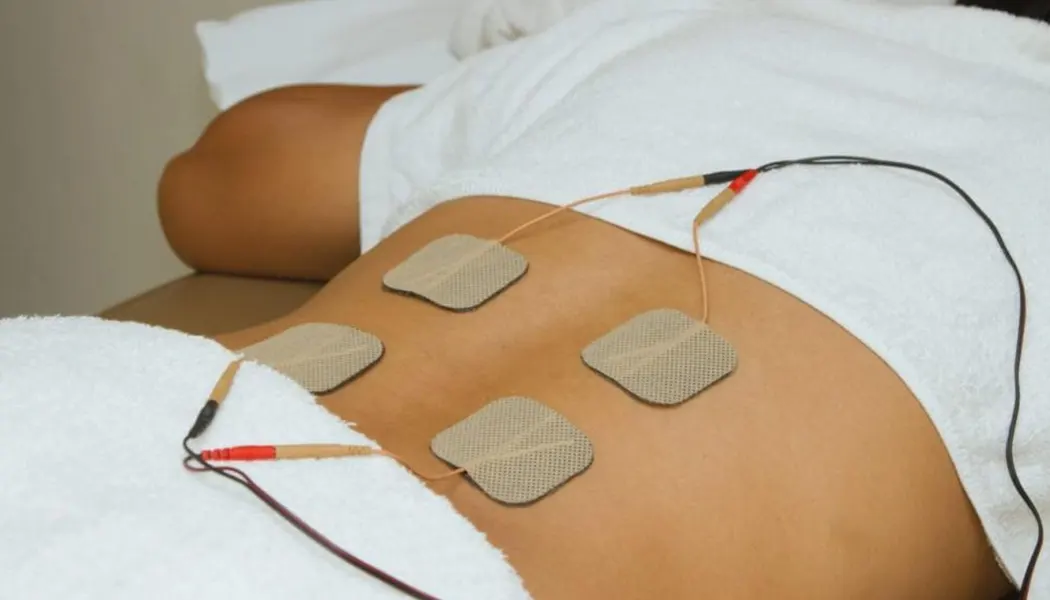
Non-Invasive Electrical Therapy: TENS uses a small device that sends controlled, low-voltage electrical impulses through electrodes placed on the skin near the painful area.
Targeted Pain Management: The electrical stimulation is designed to influence pain signals travelling through the nervous system and may help reduce the perception of pain in suitable musculoskeletal and nerve-related conditions.
Adjustable Treatment Settings: The intensity, frequency, and treatment duration can be adjusted by the physiotherapist according to the treatment area, individual symptoms, comfort level, and clinical requirements.
Comfortable and Drug-Free Approach: TENS is a non-invasive treatment that does not involve injections or surgery. Many patients experience a tingling sensation during treatment, and the intensity is adjusted to remain comfortable.
Part of a Comprehensive Treatment Plan: At Pure Physio, TENS Therapy may be combined with manual therapy, stretching, mobility exercises, strengthening, posture correction, and rehabilitation for a more complete approach to pain management and recovery.
Conditions We Treat
Chronic Pain: TENS Therapy may be considered for suitable patients experiencing persistent musculoskeletal pain as part of an individualised pain management programme.
Back Pain: Certain types of neck, upper back, or lower back pain may be managed with TENS alongside appropriate physiotherapy, exercise, and movement rehabilitation.
Neck Pain: Patients experiencing persistent neck discomfort, muscle tension, or pain-related movement limitations may benefit from TENS Therapy where clinically appropriate.
Joint Pain: TENS may be used as part of physiotherapy management for suitable patients with pain affecting joints such as the knee, shoulder, hip, or other areas.
Muscle Pain: Pain, tension, or discomfort affecting muscles may be managed using TENS as part of a broader physiotherapy treatment plan.
Arthritis-Related Pain: Patients with certain joint conditions, including arthritis-related discomfort, may use TENS as a non-invasive method to support pain management where appropriate.
Sports Injuries: TENS Therapy may be incorporated into rehabilitation for suitable sports-related injuries to help manage pain and support participation in physiotherapy exercises.
Nerve-Related Pain: Certain patients experiencing nerve-related pain may be assessed for TENS Therapy as part of a personalised treatment plan.
Symptoms
Persistent Pain: Ongoing pain that affects your work, sleep, movement, exercise, or daily activities may require a professional physiotherapy assessment.
Muscle Tension: Tight, painful, or overworked muscles may contribute to discomfort and reduced movement.
Joint Discomfort: Pain in the knees, shoulders, hips, wrists, ankles, or other joints may affect mobility and everyday function.
Pain During Movement: Discomfort that increases while bending, walking, lifting, reaching, exercising, or performing routine activities may indicate the need for assessment.
Recurring Pain: Pain that repeatedly returns in the same area may indicate an underlying movement, muscle, joint, or nerve-related problem.
Reduced Mobility Due to Pain: Pain can make it difficult to move normally and may limit your ability to work, exercise, walk, or perform everyday tasks.
Difficulty Participating in Rehabilitation: Significant pain may make it difficult to perform physiotherapy exercises or movement training comfortably.
Our Process
Initial Assessment: The physiotherapist begins by understanding your symptoms, pain pattern, medical history, previous injuries, physical limitations, and treatment goals to determine whether TENS Therapy is appropriate.
Treatment Area Selection: The affected area and surrounding tissues are assessed to determine the appropriate placement of the electrodes.
Electrode Placement: Small adhesive electrode pads are carefully placed on the skin around or near the targeted painful area.
Controlled Electrical Stimulation: The TENS device delivers mild electrical impulses through the electrodes. The settings are gradually adjusted according to your comfort and treatment requirements.
Comfort and Response Monitoring: You may feel a gentle tingling sensation during treatment. The physiotherapist monitors your comfort and response and adjusts the stimulation when required.
Combined Physiotherapy Rehabilitation: TENS Therapy may be used alongside stretching, mobility exercises, strengthening, manual therapy, and other rehabilitation techniques to support better movement and functional recovery.
Benefits
May Help Manage Pain: TENS Therapy may help reduce the perception of pain in suitable patients and provide temporary relief from certain musculoskeletal conditions.
Non-Invasive Treatment: The therapy does not involve needles, medication, or surgery, making it a simple and non-invasive pain management option.
Drug-Free Pain Management: TENS may be used as part of a pain management approach without relying on medication, where clinically appropriate.
May Improve Comfort During Movement: Reduced pain may help patients move, exercise, and perform daily activities more comfortably.
Supports Physiotherapy Participation: Managing pain may help suitable patients participate more effectively in mobility exercises, strengthening, and rehabilitation.
Adjustable to Individual Needs: Treatment settings can be modified according to the patient’s symptoms, targeted area, comfort level, and physiotherapy goals.
Easy to Combine with Other Treatments: TENS Therapy may be combined with manual therapy, exercise therapy, stretching, mobility work, and other suitable physiotherapy techniques.
Supports Functional Recovery: By helping manage pain, TENS may support patients as they work towards improved movement, physical function, and daily activity levels.
Why Choose Pure Physio?
Detailed Individual Assessment: At Pure Physio, we begin by understanding your symptoms, pain pattern, physical limitations, and recovery goals before selecting the most appropriate treatment approach.
Personalised Treatment Plans: TENS Therapy is tailored according to your condition, targeted area, pain level, and individual treatment requirements.
Professional Application: Our physiotherapists ensure appropriate electrode placement, treatment settings, and monitoring based on your individual needs and comfort.
Comprehensive Physiotherapy Care: TENS may be combined with manual therapy, mobility exercises, strengthening, stretching, posture correction, and rehabilitation for a complete treatment approach.
Focus Beyond Temporary Relief: While pain management is important, we also focus on addressing contributing factors such as weakness, stiffness, poor movement patterns, and reduced mobility.
One-to-One Guidance: Your response to treatment and rehabilitation progress are monitored, allowing your programme to be adjusted according to your changing needs.
Focus on Better Movement: Our goal is to help you manage pain, move more comfortably, improve physical function, and return to your everyday activities with greater confidence.
Start Your Recovery Journey Today
Don’t let pain, stiffness, or reduced mobility affect your daily life. Get personalised physiotherapy care designed around your condition and recovery goals.