Thermotherapy (Heat Therapy)
Find out whether Thermotherapy may be a suitable part of your physiotherapy and rehabilitation programme based on your symptoms and individual assessment.
Take the First Step Towards Better Movement
Our experienced physiotherapists are here to help you improve mobility, regain strength, and move with greater comfort and confidence.
Persistent muscle tightness, stiffness, or movement-related discomfort can affect your work, exercise, and daily routine. Get a professional physiotherapy assessment to explore suitable treatment options.
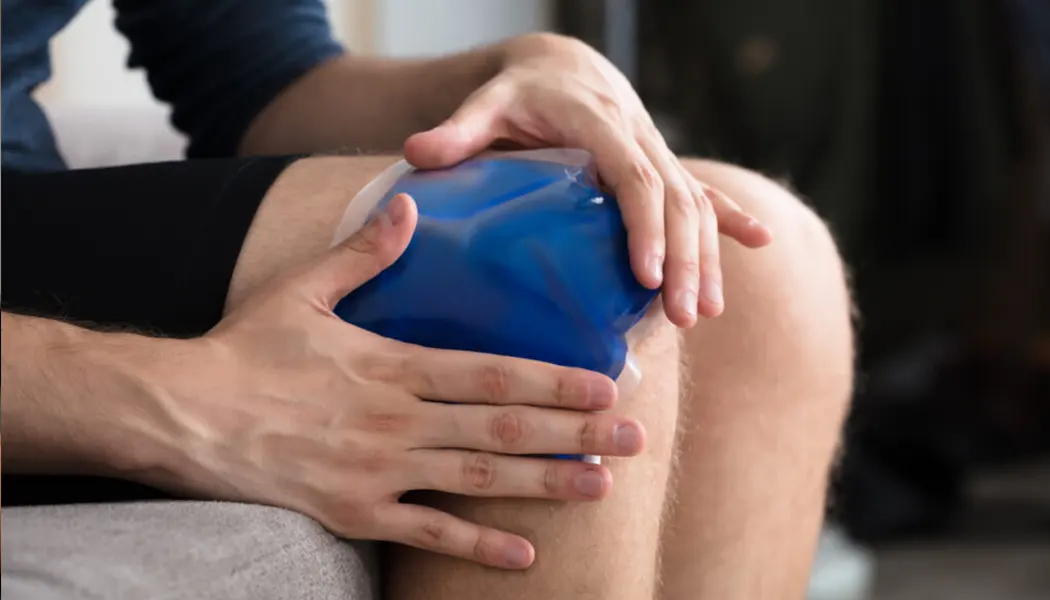
What Is It?
Chiropractic Therapy is a hands-on treatment approach focused on improving the movement and function of the spine, joints, muscles, and surrounding soft tissues. It may involve carefully selected manual techniques to address joint stiffness, movement restrictions, muscle tension, and posture-related discomfort.
At Pure Physio, treatment begins with a detailed assessment of your symptoms, posture, mobility, and physical condition. Based on your individual needs, chiropractic therapy may be combined with physiotherapy exercises, stretching, strengthening, and movement education to support better mobility and long-term physical function.
Conditions We Treat
Muscle Stiffness: Heat Therapy may be considered for suitable individuals experiencing muscle tightness and stiffness as part of a physiotherapy treatment programme.
Muscle Spasm: Selected cases of muscle tension or spasm may benefit from appropriate heat application alongside other physiotherapy techniques.
Neck Pain and Stiffness: Heat Therapy may be used as part of a treatment programme for suitable neck-related muscle tightness, stiffness, and movement discomfort.
Back Pain: Selected individuals with muscle-related back pain or stiffness may receive Heat Therapy as part of a broader rehabilitation plan.
Shoulder Pain: Heat may be considered for suitable shoulder-related muscle tightness and stiffness after proper assessment.
Joint Stiffness: Certain conditions involving joint stiffness may be managed with appropriate physiotherapy techniques, including Heat Therapy where clinically suitable.
Chronic Musculoskeletal Pain: Heat may be considered as a supportive treatment option for selected long-term muscle and joint-related conditions.
Postural Muscle Discomfort: Prolonged sitting, desk work, repetitive work positions, and poor posture may contribute to muscle tension that can be addressed through physiotherapy and suitable Heat Therapy.
Muscle Soreness: Muscle soreness following appropriate physical activity or overuse may be assessed for suitable physiotherapy management.
Reduced Mobility: Heat may be used before suitable stretching or mobility exercises in selected individuals to support a physiotherapy session.
Symptoms
Muscle Tightness: Muscles may feel tense, tight, or difficult to relax, particularly after prolonged activity, poor posture, or repetitive movements.
Stiffness: Difficulty moving the neck, back, shoulder, or another body area comfortably may occur due to muscle or joint stiffness.
Aching Discomfort: A dull or ongoing ache in muscles or joints may be associated with selected musculoskeletal conditions.
Pain During Movement: Discomfort while bending, reaching, lifting, turning, walking, or performing daily activities may require appropriate assessment.
Reduced Range of Motion: Muscle tightness and stiffness may make it difficult to move a joint through its normal comfortable range.
Muscle Spasm: Sudden or persistent involuntary muscle tightening may cause discomfort and restrict movement.
Postural Discomfort: Long periods of sitting, standing, driving, or working in one position may contribute to muscle tension and stiffness.
Chronic Muscle and Joint Discomfort: Long-term musculoskeletal symptoms may affect comfort, movement, sleep, work, and daily activities.
Pain Affecting Daily Activities: Persistent discomfort that interferes with work, exercise, dressing, walking, lifting, or other routine activities may require professional assessment.
Movement Restriction: Difficulty performing normal movements due to stiffness, tightness, or discomfort may be assessed as part of a personalised physiotherapy plan.
Our Process
Initial Assessment: The therapist begins by understanding your symptoms, medical history, affected area, skin condition, movement limitations, and physical condition to determine whether Heat Therapy is suitable and safe for you.
Physical Examination: The affected muscles and joints are assessed for pain, stiffness, muscle tightness, movement restrictions, swelling, and other relevant symptoms.
Treatment Planning: Based on your assessment, the therapist determines whether Thermotherapy is appropriate and how it can be included in your personalised physiotherapy programme.
Selecting the Heat Method: A suitable heat modality, such as a hot pack, warm compress, paraffin wax, or another therapeutic heat method, is selected according to the treatment area and individual needs.
Safe Positioning: You are positioned comfortably, and the treatment area is prepared before heat is applied.
Controlled Heat Application: The selected heat source is applied to the appropriate body area for a controlled duration while following suitable safety measures.
Monitoring During Treatment: Your comfort and skin response are monitored, and the treatment may be adjusted or stopped if you experience excessive discomfort.
Post-Treatment Assessment: The therapist may reassess your comfort, muscle tension, and movement after Heat Therapy to understand your response.
Exercise and Rehabilitation: Suitable stretching, mobility exercises, strengthening, or other physiotherapy techniques may be performed as part of the overall treatment programme.
Progress Review: Your symptoms and response to treatment are reviewed regularly, and the physiotherapy plan may be adjusted according to your progress and recovery goals.
Benefits
May Help Promote Muscle Relaxation: Controlled heat may provide a soothing sensation and help support relaxation of selected tense muscles.
May Help Manage Stiffness: Heat Therapy may be used as part of physiotherapy management for suitable muscle and joint stiffness.
May Support Comfortable Movement: For suitable individuals, Heat Therapy may be used before movement or exercise to support comfort during physiotherapy.
May Help Reduce Muscle Tension: Appropriate heat application may help manage feelings of muscle tightness and tension in selected conditions.
Supports Physiotherapy Exercises: Heat Therapy may be combined with stretching, mobility training, strengthening, and rehabilitation exercises as part of an overall treatment plan.
Personalised Treatment: The type of heat, treatment duration, and frequency are selected according to your symptoms, affected area, and clinical suitability.
Non-Invasive Treatment Option: Thermotherapy is a non-invasive physiotherapy technique that may be used as part of conservative musculoskeletal care.
Can Support Daily Function: Improving comfort and movement through an appropriate rehabilitation programme may help support everyday activities such as walking, working, bending, lifting, and exercising.
Why Choose Pure Physio?
Detailed Physiotherapy Assessment: We begin by understanding your symptoms, medical history, affected area, movement limitations, and physical condition before recommending treatment.
Personalised Treatment Planning: Every Heat Therapy session is planned according to your individual symptoms, condition, comfort, and rehabilitation goals.
Focus on Clinical Suitability: Thermotherapy is considered only after appropriate assessment to determine whether heat is suitable and safe for your condition.
Controlled Treatment Approach: The type of heat, temperature, treatment duration, and method are selected carefully according to the treatment area and individual needs.
Integrated Physiotherapy Care: Where appropriate, Heat Therapy can be combined with manual therapy, stretching, mobility exercises, strengthening, and rehabilitation.
Focus on the Possible Cause: We assess contributing factors such as muscle weakness, reduced mobility, posture, repetitive strain, and movement patterns rather than focusing only on symptoms.
Progress-Based Care: Your response to treatment, movement, and functional improvement are reviewed regularly to guide your physiotherapy programme.
Long-Term Recovery Support: Our approach focuses on supporting improved mobility, strength, movement control, and confidence during everyday activities.
Start Your Recovery Journey Today
Don’t let pain, stiffness, or reduced mobility affect your daily life. Get personalised physiotherapy care designed around your condition and recovery goals.