Spinal Decompression
Relieve Spinal Pressure. Move More Freely. Live with Less Pain.
Take the First Step Towards Better Movement
Our experienced physiotherapists are here to help you improve mobility, regain strength, and move with greater comfort and confidence.
Gentle, Non-Surgical Spinal Decompression to Support Your Back and Neck Recovery
What Is It?
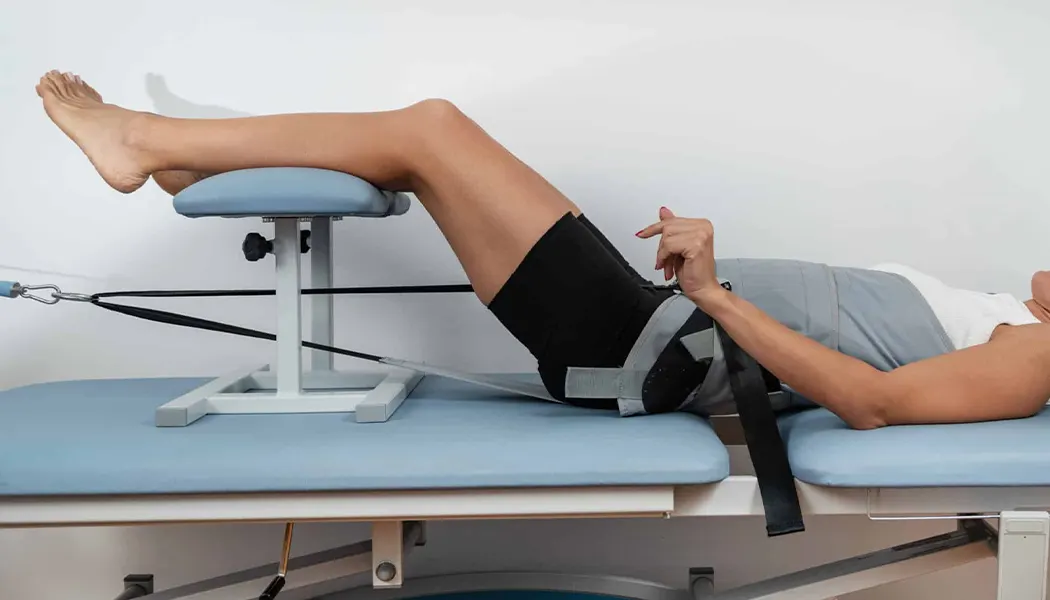
Spinal Decompression Therapy: Spinal Decompression Therapy is a non-surgical physiotherapy treatment designed to gently reduce pressure on the structures of the spine. It uses controlled traction to create a gentle stretching effect, which may help relieve pressure on spinal discs, nerves, and surrounding tissues.
Gentle and Controlled Treatment: During spinal decompression, the spine is carefully stretched using controlled force based on the patient’s condition and comfort level. The treatment is planned by a physiotherapist after assessing your symptoms, medical history, pain levels, and movement limitations.
Part of a Personalised Treatment Plan: At Pure Physio, Spinal Decompression Therapy may be combined with manual therapy, posture correction, mobility exercises, strengthening, and other physiotherapy techniques to support pain management and long-term spinal health.
Conditions We Treat
Slipped or Herniated Disc: Spinal Decompression Therapy may be considered for suitable patients experiencing symptoms related to a slipped, bulging, or herniated disc. By gently reducing pressure within the spine, it may help support symptom management and rehabilitation.
Sciatica: Patients experiencing pain that travels from the lower back into the buttock or leg may have symptoms associated with nerve irritation or compression. Spinal decompression may be included in a physiotherapy plan where clinically appropriate.
Lower Back Pain: Persistent lower back pain can result from different causes, including muscle problems, disc-related issues, poor posture, and reduced mobility. Spinal Decompression Therapy may help certain patients as part of a comprehensive treatment approach.
Degenerative Disc Conditions: Age-related changes in the spinal discs may contribute to pain, stiffness, and reduced movement. Physiotherapy, including appropriate decompression techniques, may help manage symptoms and support better spinal mobility.
Neck Pain: In suitable cases, cervical spinal decompression may be used as part of physiotherapy treatment for certain types of neck pain, stiffness, and symptoms associated with pressure or irritation around the cervical spine.
Nerve Compression Symptoms: Pressure or irritation affecting spinal nerves may cause symptoms such as radiating pain, tingling, or numbness. Following a professional assessment, spinal decompression may be considered as part of a suitable treatment plan.
Symptoms
Persistent Back Pain: Ongoing pain in the lower, middle, or upper back that does not improve or continues to return may require a professional physiotherapy assessment.
Radiating Pain: Pain that travels from the neck into the shoulder or arm, or from the lower back into the buttock, thigh, or leg, may be associated with nerve irritation and should be properly assessed.
Numbness or Tingling: Tingling, pins-and-needles sensations, or numbness in the arms, hands, legs, or feet may occur when nerves are irritated or compressed.
Muscle Weakness: Weakness in the arms or legs, difficulty gripping objects, or reduced strength during movement may require professional evaluation to identify the possible cause.
Stiffness and Reduced Mobility: Difficulty bending, twisting, turning the neck, or moving comfortably may occur due to spinal stiffness, muscle tightness, or other musculoskeletal problems.
Pain While Sitting or Standing: Back or neck pain that worsens after prolonged sitting, standing, driving, or certain movements may indicate a condition that requires assessment and appropriate management.
Pain During Daily Activities: Difficulty walking, lifting, bending, working, or performing everyday tasks because of back or neck pain can significantly affect quality of life and may benefit from physiotherapy assessment.
Our Process
Initial Assessment: The physiotherapist begins by understanding your symptoms, medical history, previous injuries, pain levels, movement limitations, and overall spinal condition to determine whether Spinal Decompression Therapy is suitable for you.
Detailed Treatment Planning: Based on the assessment, a personalised treatment plan is created according to the affected area, severity of symptoms, physical condition, and recovery goals.
Positioning and Preparation: You are positioned comfortably according to the area being treated, such as the cervical or lumbar spine. The physiotherapist ensures appropriate positioning before beginning the treatment.
Controlled Decompression: Gentle and controlled traction is applied to the targeted area of the spine. The amount of force, treatment duration, and technique are adjusted according to your individual condition and comfort.
Combined Physiotherapy Approach: Spinal Decompression Therapy may be combined with manual therapy, mobility exercises, posture correction, stretching, core strengthening, and other rehabilitation techniques where appropriate.
Progress Monitoring: Your pain levels, mobility, symptoms, and functional improvement are monitored throughout your treatment. The plan may be adjusted based on your response and recovery progress.
Benefits
May Help Reduce Spinal Pressure: Spinal Decompression Therapy is designed to gently reduce pressure on spinal structures and may help certain patients experiencing disc-related or nerve-related symptoms.
Supports Pain Management: When included in an appropriate physiotherapy plan, decompression therapy may help manage certain types of back, neck, and radiating pain.
May Help Improve Mobility: By addressing pain, stiffness, and restricted movement, spinal decompression combined with physiotherapy exercises may help improve spinal mobility.
Supports Nerve-Related Symptoms: For suitable conditions, reducing mechanical pressure around spinal structures may help support the management of symptoms such as radiating pain, tingling, or discomfort.
Helps Address Muscle Stiffness: Spinal decompression may help promote relaxation in surrounding muscles and reduce stiffness when combined with appropriate physiotherapy treatment.
Non-Surgical Treatment Option: For suitable patients, Spinal Decompression Therapy may form part of a conservative, non-invasive treatment and rehabilitation approach.
Supports Daily Movement: Reduced pain and improved mobility may help patients work towards performing everyday activities such as sitting, standing, walking, bending, and lifting more comfortably.
Complements Rehabilitation: Spinal Decompression Therapy can be combined with strengthening, posture correction, mobility training, and other physiotherapy techniques to support long-term spinal function.
Why Choose Pure Physio?
Personalised Assessment: At Pure Physio, your spinal health and symptoms are carefully assessed before recommending treatment. This helps ensure that your physiotherapy plan is based on your individual condition and recovery needs.
Experienced Physiotherapy Care: Our approach combines professional assessment with appropriate physiotherapy techniques to help manage pain, improve mobility, and support functional recovery.
Individualised Treatment Plans: Every patient experiences pain differently. Your treatment plan is developed according to your symptoms, physical condition, movement limitations, and rehabilitation goals.
Focus on the Underlying Problem: We aim to understand the factors contributing to your pain and movement difficulties, helping us create a treatment plan that goes beyond temporary symptom management.
Comprehensive Rehabilitation: Where appropriate, Spinal Decompression Therapy is combined with manual therapy, posture correction, mobility work, stretching, and strengthening exercises for a complete rehabilitation approach.
One-to-One Attention: Our physiotherapists monitor your symptoms and progress throughout your treatment, making adjustments to your plan based on your individual response.
Focus on Better Movement: Whether you are dealing with persistent back pain, neck discomfort, radiating pain, or reduced mobility, our goal is to help you move more comfortably and regain confidence in your daily activities.
Start Your Recovery Journey Today
Don’t let pain, stiffness, or reduced mobility affect your daily life. Get personalised physiotherapy care designed around your condition and recovery goals.