Radiofrequency Ablation
Target Chronic Pain at Its Source with Advanced Radiofrequency Ablation
Take the First Step Towards Better Movement
Our experienced physiotherapists are here to help you improve mobility, regain strength, and move with greater comfort and confidence.
It may be recommended for suitable patients with chronic pain when conservative treatments have not provided adequate relief. At Pure Physio, patients receive a detailed assessment and appropriate guidance to determine the right approach for managing persistent musculoskeletal pain.
What Is It?
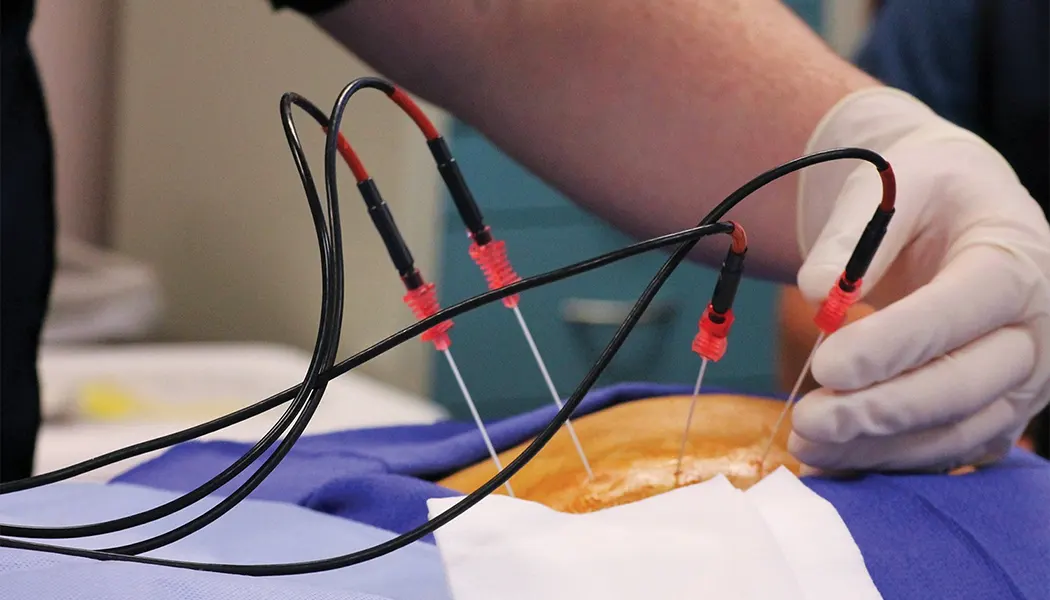
Radiofrequency Ablation Therapy: Radiofrequency Ablation, commonly known as RFA, is a minimally invasive procedure that uses controlled heat generated by radiofrequency energy to interrupt or reduce pain signals from targeted nerves. The procedure is typically performed by a qualified medical specialist under appropriate clinical guidance.
Targeted Pain Management: RFA focuses on specific nerves associated with the painful area rather than treating the entire body. The targeted approach may help manage chronic pain in suitable patients after a proper diagnosis and assessment.
Image-Guided Precision: Depending on the procedure and clinical setting, imaging guidance may be used to help accurately position the treatment needle near the targeted nerve before radiofrequency energy is applied.
Part of a Comprehensive Care Plan: Radiofrequency Ablation may be considered alongside physiotherapy, rehabilitation, exercise, and other pain management strategies. The most appropriate treatment plan depends on the underlying condition, symptoms, and medical assessment.
Conditions We Treat
Chronic Back Pain: Radiofrequency Ablation may be considered for suitable patients with persistent back pain associated with specific pain-generating spinal structures or nerves after proper medical evaluation.
Facet Joint Pain: Pain arising from the facet joints of the spine may cause persistent localised back or neck pain. If diagnostic assessment confirms the pain source, RFA may be considered as a pain management option.
Chronic Neck Pain: Certain patients with long-standing neck pain related to specific spinal structures may be assessed for Radiofrequency Ablation when other appropriate treatments have not provided sufficient relief.
Sacroiliac Joint Pain: Pain arising from the sacroiliac joint area may affect the lower back, buttocks, and surrounding regions. Radiofrequency techniques may be considered for suitable cases following specialist evaluation.
Nerve-Related Pain: Some chronic pain conditions involving specific nerves may be managed using targeted radiofrequency techniques where clinically appropriate and recommended by a qualified specialist.
Persistent Joint-Related Pain: In selected cases, chronic pain associated with specific joints or surrounding nerve structures may be evaluated for RFA as part of a comprehensive pain management plan.
Symptoms
Persistent Pain: Ongoing pain that continues for an extended period and affects daily activities, sleep, work, or quality of life may require a detailed medical and physiotherapy assessment.
Recurring Back Pain: Repeated episodes of back pain that continue despite appropriate conservative treatment may need further evaluation to identify the possible source of pain.
Chronic Neck Pain: Long-standing neck pain, especially when it repeatedly returns or significantly affects movement and daily activities, may require specialist assessment.
Localised Spinal Pain: Pain that remains concentrated around a specific area of the neck or back may indicate the need to identify the underlying pain-generating structure.
Pain During Movement: Pain that increases while bending, twisting, standing, walking, or performing daily activities may require a professional assessment to understand the possible cause.
Reduced Mobility: Persistent pain and stiffness can limit normal movement and make it difficult to perform routine activities comfortably.
Pain Affecting Daily Life: Difficulty sleeping, working, exercising, sitting, standing, or carrying out normal activities due to chronic pain may indicate the need for a personalised pain management plan.
Our Process
Initial Assessment: The process begins with a detailed assessment of your symptoms, medical history, previous treatments, pain patterns, and physical limitations to determine the possible source of pain.
Diagnostic Evaluation: A qualified medical specialist may recommend further diagnostic evaluation to identify whether a specific nerve or spinal structure is contributing to your pain and whether RFA is appropriate.
Treatment Planning: If Radiofrequency Ablation is considered suitable, the procedure is planned according to the affected area, diagnosis, symptoms, and individual medical requirements.
Targeted Procedure: A specialised needle or electrode is carefully positioned near the targeted nerve using appropriate clinical techniques and, where required, imaging guidance. Controlled radiofrequency energy is then applied according to the medical protocol.
Post-Procedure Monitoring: Following the procedure, the patient is monitored and provided with appropriate instructions regarding recovery, activity, and follow-up care.
Rehabilitation and Follow-Up: Physiotherapy, mobility exercises, strengthening, and rehabilitation may be recommended after the procedure to help improve movement, strength, and long-term functional recovery.
Benefits
Targeted Pain Management: Radiofrequency Ablation focuses on specific nerves associated with pain and may help reduce pain signals in suitable patients.
Minimally Invasive Procedure: RFA is performed without major surgery and may be considered as a less invasive pain management option for appropriate patients.
May Provide Longer-Term Pain Relief: For some suitable patients, RFA may provide longer-lasting pain relief compared with short-term symptom management approaches, although results and duration of relief can vary.
Supports Better Daily Function: Reduced pain may help patients perform everyday activities such as walking, sitting, standing, and moving more comfortably.
May Improve Mobility: Pain reduction, combined with appropriate physiotherapy and rehabilitation, may help patients work towards improved movement and physical function.
Targeted Approach: The procedure focuses on the specific nerve pathways identified as contributing to the patient’s pain, helping provide a more focused treatment approach.
May Reduce Dependence on Other Pain Treatments: Successful pain management may help some patients reduce their reliance on certain other pain management methods, depending on medical advice and individual circumstances.
Complements Rehabilitation: RFA may be followed by physiotherapy, strengthening, mobility training, and exercise-based rehabilitation to support long-term movement and function.
Why Choose Pure Physio?
Comprehensive Assessment: At Pure Physio, we take the time to understand your pain, symptoms, movement limitations, and previous treatment history before helping guide you towards the most appropriate care pathway.
Patient-Focused Approach: Every patient’s pain experience is different. We focus on individual assessment and personalised recommendations based on your symptoms and recovery needs.
Integrated Pain Management: Where appropriate, we support a comprehensive approach that may include specialist pain management, physiotherapy, mobility work, strengthening, and rehabilitation.
Focus on Functional Recovery: Our goal goes beyond pain management alone by helping patients work towards improved movement, strength, confidence, and daily function.
Personalised Rehabilitation: Following appropriate medical treatment, physiotherapy and rehabilitation programmes can be tailored to your physical condition and recovery goals.
Professional Care and Guidance: Patients receive appropriate guidance throughout their treatment and rehabilitation journey, with recommendations based on their individual condition and clinical requirements.
Long-Term Support: We focus on helping patients manage persistent pain while supporting long-term mobility, strength, and a better quality of life.
Start Your Recovery Journey Today
Don’t let pain, stiffness, or reduced mobility affect your daily life. Get personalised physiotherapy care designed around your condition and recovery goals.