Platelet-Rich Plasma Injections
Advanced PRP Injections for Targeted Healing, Recovery & Better Movement
Take the First Step Towards Better Movement
Our experienced physiotherapists are here to help you improve mobility, regain strength, and move with greater comfort and confidence.
The treatment is designed to support the body’s natural healing processes and may be used for suitable muscle, tendon, ligament, joint, and soft tissue conditions. At Pure Physio, PRP treatment is considered following a proper clinical assessment and is combined with an appropriate rehabilitation plan to support recovery and improved movement.
What Is It?
Platelet-Rich Plasma Therapy: Platelet-Rich Plasma, commonly known as PRP, is prepared using a sample of the patient’s own blood. The blood is processed to concentrate platelets, and the platelet-rich portion is then used for the treatment procedure.
Natural Healing Support: Platelets contain biological components involved in the body’s normal healing and repair processes. When used appropriately, PRP may help support tissue healing and recovery in suitable musculoskeletal conditions.
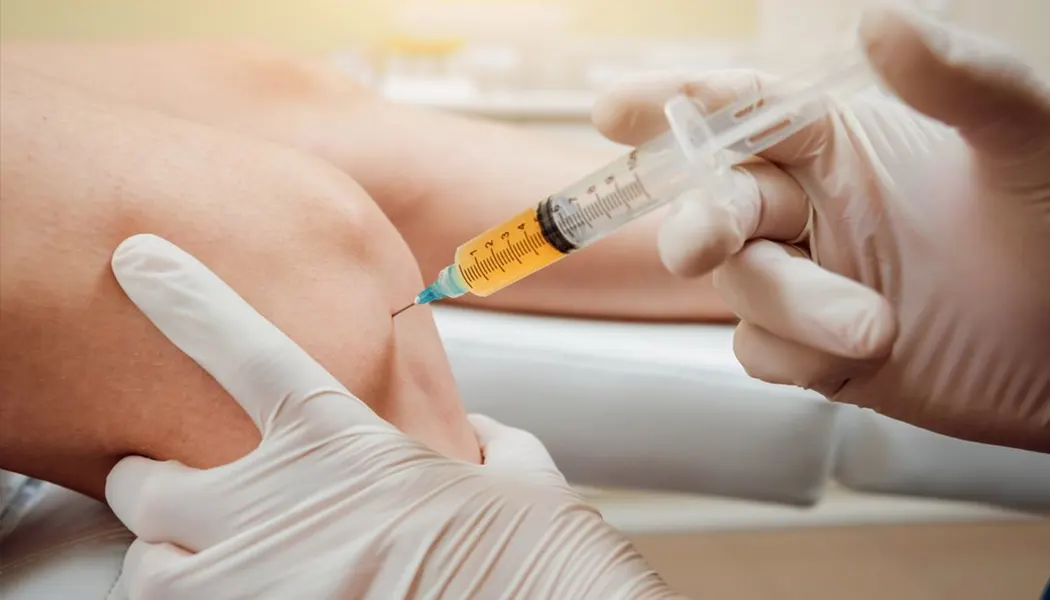
Targeted Injection Treatment: The prepared platelet-rich plasma is injected into or around the affected area by a qualified medical professional. Depending on the condition, imaging guidance may be used to assist with accurate placement.
Part of a Comprehensive Recovery Plan: PRP Injections may be combined with physiotherapy, progressive strengthening, mobility exercises, and rehabilitation to support recovery and help improve long-term function.
Conditions We Treat
Tendon Injuries: PRP Injections may be considered for suitable patients with certain persistent tendon conditions, including tendon pain caused by overuse or repetitive strain, following appropriate clinical assessment.
Tennis Elbow: Patients with persistent pain around the outer side of the elbow associated with certain tendon problems may be evaluated for PRP treatment as part of a personalised recovery plan.
Golfer’s Elbow: PRP may be considered for suitable cases of persistent pain and tendon-related problems around the inner side of the elbow.
Achilles Tendon Problems: Certain long-standing Achilles tendon conditions may be assessed for PRP treatment alongside a structured physiotherapy and progressive strengthening programme.
Plantar Fasciitis: Persistent heel pain associated with plantar fascia problems may require a comprehensive assessment. PRP may be considered in selected cases based on the diagnosis and clinical recommendation.
Knee Conditions: PRP may be considered for certain knee-related conditions, depending on the underlying cause of pain, joint health, symptoms, and specialist assessment.
Ligament and Soft Tissue Injuries: Some suitable ligament and soft tissue injuries may be evaluated for PRP treatment to support the body’s natural recovery process.
Sports Injuries: PRP Injections may be considered for selected sports-related muscle, tendon, ligament, or soft tissue injuries as part of a structured treatment and rehabilitation programme.
Symptoms
Persistent Pain: Ongoing muscle, tendon, ligament, or joint pain that continues despite rest or conservative treatment may require a detailed clinical assessment.
Recurring Tendon Pain: Pain that repeatedly returns in the same tendon, particularly during sports, exercise, gripping, running, or repetitive activities, may indicate an ongoing tendon problem.
Pain During Activity: Discomfort that increases while walking, running, lifting, jumping, exercising, or performing daily activities may require evaluation to identify the affected tissue.
Joint Stiffness: Persistent stiffness or reduced movement in a joint may affect daily activities and may need professional assessment to determine the underlying cause.
Reduced Strength: Injury-related pain and tissue problems can affect strength and make it difficult to perform normal movements, sports, or physical activities.
Slow Recovery After Injury: If pain, weakness, or reduced movement continues longer than expected after an injury, a structured assessment can help determine the most appropriate treatment options.
Recurring Sports Injuries: Repeated injuries or ongoing pain in the same area may indicate incomplete recovery, overuse, weakness, or an underlying movement problem requiring a comprehensive rehabilitation approach.
Our Process
Initial Assessment: The process begins with a detailed assessment of your symptoms, medical history, previous injuries, treatment history, activity level, and physical limitations to determine whether PRP treatment may be appropriate.
Clinical Evaluation: A qualified medical professional evaluates the affected area and underlying condition. Additional investigations or imaging may be recommended where necessary before planning treatment.
Blood Collection: A small sample of your own blood is collected for the procedure using standard clinical techniques.
PRP Preparation: The blood sample is processed using specialised equipment to separate and concentrate the platelet-rich plasma component for treatment.
Targeted PRP Injection: The prepared PRP is injected into or around the identified treatment area by a qualified medical professional. Depending on the condition, imaging guidance may be used where clinically appropriate.
Recovery and Rehabilitation: Following the procedure, patients receive appropriate aftercare guidance. Physiotherapy, mobility exercises, progressive strengthening, and rehabilitation may be recommended to support recovery and return to normal activities.
Benefits
Uses Your Own Blood Components: PRP is prepared from the patient’s own blood, using concentrated platelets as part of the treatment process.
Supports Natural Healing: Platelets contain growth factors and other biological components involved in the body’s normal tissue repair and healing processes.
Targeted Treatment Approach: PRP can be delivered directly to or around the affected area, allowing treatment to focus on the specific tissue or structure being addressed.
May Support Tissue Recovery: In suitable cases, PRP may support the recovery of certain tendon, ligament, muscle, and soft tissue conditions.
Non-Surgical Option: PRP Injections may be considered as a minimally invasive treatment option for suitable patients before or alongside other treatment approaches.
May Help Manage Persistent Symptoms: For selected conditions, PRP may be considered when symptoms continue despite appropriate conservative treatment.
Supports Rehabilitation: PRP treatment can be combined with physiotherapy, strengthening, mobility exercises, and progressive rehabilitation to support functional recovery.
Personalised Treatment: Suitability for PRP depends on the diagnosis, affected tissue, severity of symptoms, overall health, and individual clinical assessment.
Why Choose Pure Physio?
Detailed Clinical Assessment: At Pure Physio, treatment begins with understanding your symptoms, injury history, movement limitations, and recovery needs before recommending an appropriate care pathway.
Personalised Treatment Approach: Every injury and condition is different. We focus on creating an individual treatment and rehabilitation plan based on your specific diagnosis and goals.
Comprehensive Recovery Support: PRP treatment may be supported by a structured physiotherapy programme that includes mobility exercises, progressive strengthening, and functional rehabilitation.
Focus on the Underlying Problem: We aim to identify factors contributing to recurring injuries, pain, weakness, or reduced movement to support a more complete recovery approach.
Integrated Care: Where appropriate, we combine clinical treatment with physiotherapy and rehabilitation to help patients work towards better movement, strength, and function.
Professional Guidance: PRP Injections are performed by appropriately qualified medical professionals, with suitable assessment, procedural care, and aftercare guidance.
Long-Term Rehabilitation Focus: Our goal is not only to support symptom management but also to help improve strength, mobility, movement quality, and confidence when returning to daily activities or sports.
Start Your Recovery Journey Today
Don’t let pain, stiffness, or reduced mobility affect your daily life. Get personalised physiotherapy care designed around your condition and recovery goals.