Pelvic Floor Physical Therapy
Personalised Pelvic Floor Care for Better Strength, Comfort & Everyday Confidence
Take the First Step Towards Better Movement
Our experienced physiotherapists are here to help you improve mobility, regain strength, and move with greater comfort and confidence.
It may help improve pelvic floor strength, coordination, relaxation, and overall function. At Pure Physio, treatment is personalised based on your symptoms, physical condition, medical history, and individual recovery goals.
What Is It?
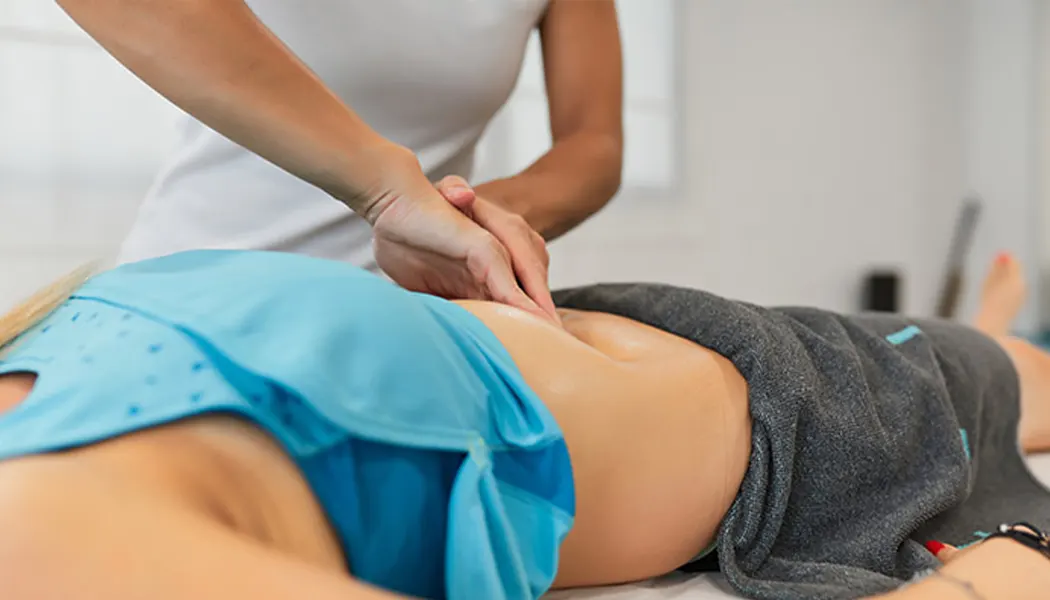
Specialised Pelvic Floor Treatment: Pelvic Floor Physical Therapy focuses on assessing and improving the function of the pelvic floor muscles. These muscles play an important role in bladder and bowel control, pelvic organ support, posture, core stability, and sexual function.
Strength and Coordination Training: Pelvic floor problems are not always caused by weak muscles. Some people may also experience tightness or difficulty relaxing and coordinating these muscles. Physiotherapy may include strengthening, relaxation, breathing techniques, and movement training based on individual needs.
Personalised Assessment: Treatment begins with understanding your symptoms, medical history, lifestyle, movement patterns, and physical concerns. The physiotherapist develops an appropriate treatment plan based on your individual condition and comfort.
Part of a Comprehensive Care Plan: Pelvic Floor Physical Therapy may include guided exercises, education, breathing techniques, posture and movement training, bladder and bowel habit education, and other appropriate physiotherapy techniques.
Conditions We Treat
Urinary Incontinence: Pelvic Floor Physical Therapy may help suitable patients experiencing involuntary urine leakage during coughing, sneezing, laughing, exercise, or other daily activities.
Pelvic Floor Weakness: Weakness or reduced coordination of the pelvic floor muscles may affect bladder control and pelvic support. A structured physiotherapy programme may help improve muscle awareness, strength, and function.
Pelvic Pain: Persistent pain in the pelvic area may be associated with muscle tension, movement problems, or other conditions. Physiotherapy may be included as part of a multidisciplinary treatment approach where appropriate.
Pregnancy and Postpartum Recovery: Pregnancy and childbirth can affect the pelvic floor, abdominal muscles, posture, and overall movement. Pelvic Floor Physical Therapy may help support recovery and improve strength and function after childbirth.
Pelvic Organ Prolapse Symptoms: Patients experiencing symptoms associated with pelvic organ support problems may benefit from assessment and pelvic floor muscle training where appropriate.
Bowel Control Problems: Pelvic floor dysfunction may contribute to certain bowel control difficulties. Physiotherapy may help improve muscle coordination and support better pelvic floor function in suitable cases.
Pelvic Floor Muscle Overactivity: Some patients experience excessive muscle tension or difficulty relaxing the pelvic floor. Treatment may focus on relaxation, breathing, movement, and improving muscle coordination rather than strengthening alone.
Core and Pelvic Stability Problems: The pelvic floor works together with the abdominal muscles, diaphragm, and other muscles to support movement and stability. Physiotherapy may help improve coordination between these muscle groups.
Symptoms
Urine Leakage: Leaking urine during coughing, sneezing, laughing, lifting, running, or exercise may indicate a pelvic floor problem and can benefit from professional assessment.
Frequent Urge to Urinate: A sudden or frequent urge to pass urine that affects daily activities may require assessment to identify possible contributing factors.
Difficulty Controlling Bowel Movements: Problems with bowel control or leakage may be associated with pelvic floor dysfunction and should be professionally assessed.
Pelvic Heaviness: A feeling of pressure, heaviness, or dragging in the pelvic area may indicate the need for an appropriate medical and physiotherapy assessment.
Pelvic Pain or Discomfort: Ongoing pain or discomfort in the pelvic region that affects sitting, movement, or daily life may require professional evaluation.
Painful Muscle Tightness: A feeling of tension, tightness, or difficulty relaxing the pelvic muscles may affect comfort and normal pelvic floor function.
Weak Core Support: Difficulty controlling the abdominal and pelvic region during movement, lifting, or exercise may be associated with poor coordination between the core and pelvic floor muscles.
Our Process
Initial Assessment: The physiotherapist begins by understanding your symptoms, medical history, lifestyle, daily activities, pregnancy or childbirth history where relevant, and individual concerns to develop an appropriate treatment approach.
Pelvic Floor Function Assessment: The assessment may evaluate breathing patterns, posture, movement, core control, pelvic floor awareness, muscle strength, coordination, and ability to relax based on the patient’s condition and consent.
Personalised Treatment Planning: A treatment plan is created according to your symptoms, physical findings, goals, and comfort. The approach may focus on strengthening, relaxation, coordination, or a combination of techniques.
Guided Exercise Training: You may be taught specific exercises to improve pelvic floor awareness, strength, endurance, coordination, and control where appropriate.
Breathing and Relaxation Techniques: For patients with excessive pelvic floor tension, treatment may include breathing techniques and relaxation exercises designed to improve the ability of the muscles to release and coordinate properly.
Functional Movement Training: Physiotherapy may include guidance on posture, lifting, exercise, and daily movements to help improve the coordination between the pelvic floor, core, and surrounding muscles.
Progress Monitoring: Your symptoms, muscle control, comfort, and functional improvement are monitored throughout treatment, and your programme is adjusted according to your progress.
Benefits
May Improve Bladder Control: Pelvic Floor Physical Therapy may help suitable patients improve muscle strength and coordination to support better bladder control.
Supports Pelvic Floor Strength: A personalised exercise programme may help improve the strength and endurance of the pelvic floor muscles where weakness is present.
Improves Muscle Awareness: Learning how to correctly activate and relax the pelvic floor may help improve overall muscle control and function.
May Reduce Pelvic Muscle Tension: For patients with overactive or tight pelvic floor muscles, physiotherapy may focus on relaxation and improved muscle coordination.
Supports Pregnancy and Postpartum Recovery: Pelvic Floor Physical Therapy may help patients work towards improved pelvic strength, core control, and functional recovery during or after pregnancy where appropriate.
May Improve Core Coordination: Treatment can help improve the way the pelvic floor works together with the diaphragm, abdominal muscles, and other core muscles during movement.
Supports Daily Activities: Improved pelvic floor function may help patients feel more comfortable and confident while exercising, lifting, walking, coughing, and performing everyday activities.
Personalised to Your Needs: Treatment is based on your individual symptoms and goals, whether the focus is improving strength, relaxation, coordination, or overall pelvic floor function.
Why Choose Pure Physio?
Specialised and Personalised Care: At Pure Physio, we understand that pelvic floor concerns are highly individual. Treatment is planned around your symptoms, comfort, physical condition, and personal goals.
Respectful and Supportive Approach: We provide a professional, private, and patient-focused environment where you can discuss your concerns comfortably and receive appropriate physiotherapy guidance.
Individual Assessment: We take the time to understand the factors affecting your pelvic floor function rather than using a one-size-fits-all exercise approach.
Beyond Kegel Exercises: Pelvic Floor Physical Therapy is not only about strengthening. Depending on your condition, treatment may also focus on relaxation, breathing, coordination, posture, and functional movement.
Comprehensive Rehabilitation: Where appropriate, pelvic floor treatment may be combined with core training, mobility work, breathing techniques, posture guidance, and functional exercises.
One-to-One Guidance: Our physiotherapists guide you through your treatment programme, monitor your progress, and adjust exercises according to your individual response and recovery needs.
Focus on Long-Term Function: Our goal is to help improve pelvic floor awareness, strength, coordination, and confidence so you can move and perform daily activities more comfortably.
Start Your Recovery Journey Today
Don’t let pain, stiffness, or reduced mobility affect your daily life. Get personalised physiotherapy care designed around your condition and recovery goals.