Manual Therapy
Skilled Hands-On Care to Relieve Pain, Restore Mobility & Help You Move Better
Take the First Step Towards Better Movement
Our experienced physiotherapists are here to help you improve mobility, regain strength, and move with greater comfort and confidence.
It may include joint mobilisation, soft tissue techniques, stretching, and other specialised hands-on methods designed to improve mobility, reduce discomfort, and support better physical function. At Pure Physio, Manual Therapy is tailored to your individual condition and may be combined with exercise-based rehabilitation for a comprehensive approach to recovery.
What Is It?
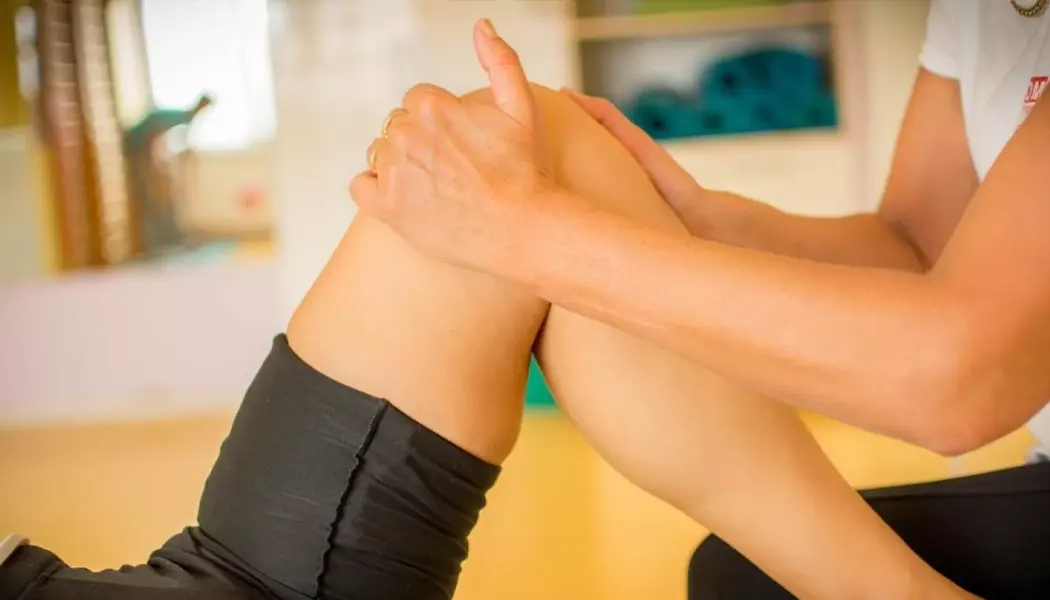
Hands-On Physiotherapy Treatment: Manual Therapy involves skilled hands-on techniques performed by a physiotherapist to address problems affecting the joints, muscles, soft tissues, and surrounding structures of the body.
Joint and Soft Tissue Techniques: Depending on your condition, treatment may include joint mobilisation, soft tissue mobilisation, muscle stretching, and other manual techniques to help improve movement and reduce stiffness.
Targeted Treatment Approach: The physiotherapist identifies areas of restricted movement, muscle tension, stiffness, or discomfort and selects appropriate techniques based on your symptoms and physical assessment.
Part of a Personalised Treatment Plan: At Pure Physio, Manual Therapy may be combined with strengthening, stretching, mobility exercises, posture correction, and rehabilitation to support long-term recovery and improved movement.
Conditions We Treat
Back Pain: Manual Therapy may be used as part of physiotherapy treatment for suitable patients experiencing muscle tension, stiffness, restricted movement, or certain types of back pain.
Neck Pain: Patients with neck stiffness, muscle tightness, and reduced movement may benefit from appropriate hands-on techniques combined with mobility and posture exercises.
Joint Stiffness: Restricted movement in joints such as the shoulder, hip, knee, ankle, or wrist may be addressed using suitable mobilisation techniques following a professional assessment.
Sports Injuries: Manual Therapy may be incorporated into rehabilitation for suitable sports-related injuries involving muscles, joints, ligaments, and soft tissues.
Muscle Pain and Tightness: Hands-on soft tissue techniques may help address muscle tension, tightness, and discomfort as part of a comprehensive physiotherapy treatment plan.
Shoulder Pain: Pain and restricted movement in the shoulder may affect reaching, lifting, dressing, and other daily activities. Manual Therapy may be combined with strengthening and mobility exercises where appropriate.
Post-Injury Stiffness: After an injury or period of reduced movement, joints and soft tissues may become stiff. Manual Therapy may help improve mobility as part of a structured rehabilitation programme.
Symptoms
Persistent Pain: Ongoing pain in the muscles, joints, neck, back, or other areas of the body may require a detailed physiotherapy assessment.
Joint Stiffness: Difficulty moving a joint freely or reaching its normal range of motion may be associated with stiffness, injury, or other musculoskeletal problems.
Muscle Tightness: Persistent muscle tension or tightness may cause discomfort and make everyday movement more difficult.
Reduced Mobility: Difficulty bending, reaching, turning, lifting, walking, or performing normal movements may indicate a problem affecting the joints, muscles, or soft tissues.
Pain During Movement: Discomfort that increases during exercise, work, walking, lifting, or other daily activities may require professional evaluation.
Recurring Discomfort: Pain or stiffness that repeatedly returns in the same area may indicate an underlying movement or musculoskeletal issue that needs to be addressed.
Postural Discomfort: Pain or stiffness associated with prolonged sitting, standing, working, or poor posture may benefit from an assessment of movement and contributing factors.
Our Process
Initial Assessment: The physiotherapist begins by understanding your symptoms, medical history, previous injuries, pain levels, posture, movement patterns, and physical limitations to identify the possible cause of your discomfort.
Physical Examination: The affected joints, muscles, and soft tissues are assessed for pain, stiffness, reduced mobility, muscle tension, weakness, and movement restrictions.
Personalised Treatment Planning: Based on the assessment, the physiotherapist selects appropriate manual techniques according to your condition, symptoms, treatment goals, and comfort level.
Hands-On Treatment: Controlled hands-on techniques are applied to the targeted joints, muscles, or soft tissues to address stiffness, restricted movement, and discomfort.
Movement Reassessment: Your movement and response to treatment may be reassessed during or after the session to help guide further treatment and rehabilitation.
Combined Exercise Rehabilitation: Manual Therapy may be followed by stretching, mobility work, strengthening, posture correction, or functional exercises to support lasting improvements in movement and function.
Benefits
May Help Manage Pain: Manual Therapy may help reduce certain types of musculoskeletal pain and discomfort when used as part of an appropriate physiotherapy treatment plan.
Supports Better Mobility: Joint and soft tissue techniques may help improve movement and reduce feelings of stiffness or restriction.
May Reduce Muscle Tension: Hands-on treatment may help relax tight muscles and reduce feelings of tension in affected areas.
Helps Address Joint Stiffness: Appropriate mobilisation techniques may help improve joint movement and support a more comfortable range of motion.
Supports Recovery After Injury: Manual Therapy can be included in rehabilitation programmes for suitable injuries to help restore movement and function.
May Improve Movement Quality: Reduced stiffness and improved mobility may help patients perform daily activities and physical movements more comfortably.
Complements Exercise Therapy: Manual Therapy works effectively alongside strengthening, stretching, mobility training, and functional rehabilitation to support long-term improvement.
Personalised Treatment Approach: The techniques used are selected and adapted according to your symptoms, condition, physical needs, and treatment goals.
Why Choose Pure Physio?
Detailed Physiotherapy Assessment: At Pure Physio, we begin by understanding your symptoms, movement limitations, posture, injury history, and individual physical needs before planning treatment.
Skilled Hands-On Care: Our physiotherapists use appropriate manual techniques to address joint stiffness, muscle tension, soft tissue restrictions, and movement limitations.
Personalised Treatment Plans: Every patient is different. Your treatment is tailored according to your condition, symptoms, activity level, comfort, and recovery goals.
Focus on the Root Cause: We aim to identify factors contributing to your pain and restricted movement rather than focusing only on temporary symptom relief.
Comprehensive Rehabilitation: Manual Therapy may be combined with mobility exercises, strengthening, stretching, posture correction, and functional rehabilitation to support long-term recovery.
One-to-One Attention: Your progress and response to treatment are monitored throughout your physiotherapy journey, allowing your treatment plan to be adjusted according to your needs.
Focus on Better Movement: Our goal is to help you reduce pain, improve mobility, restore physical function, and move with greater comfort and confidence.
Start Your Recovery Journey Today
Don’t let pain, stiffness, or reduced mobility affect your daily life. Get personalised physiotherapy care designed around your condition and recovery goals.