Kinesio Taping
Personalised Kinesio Taping for Better Support, Movement & Recovery
Take the First Step Towards Better Movement
Our experienced physiotherapists are here to help you improve mobility, regain strength, and move with greater comfort and confidence.
A supportive physiotherapy technique that uses elastic therapeutic tape to help support muscles and joints, improve movement, and assist rehabilitation.
What Is It?
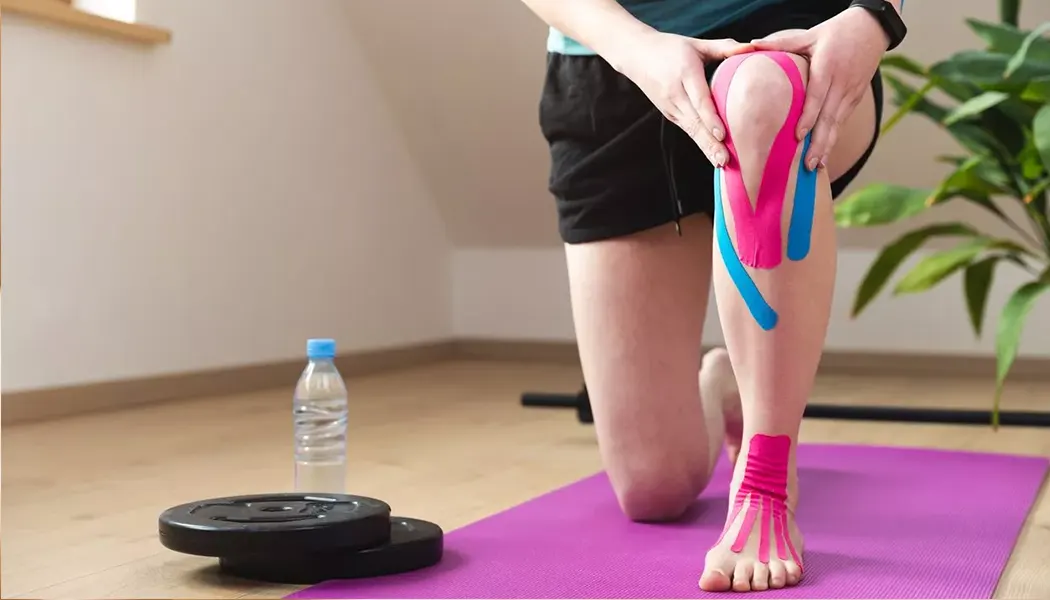
Kinesio Taping is a physiotherapy technique that uses specially designed elastic therapeutic tape applied to the skin to support selected muscles and joints without significantly restricting normal movement. The tape is flexible and can move with the body during everyday activities, exercise, and rehabilitation.
Depending on the assessment and treatment goals, Kinesio Tape may be applied using different techniques to provide support around muscles, joints, and other soft tissues. It may be used as part of a broader physiotherapy programme for suitable musculoskeletal and sports-related conditions.
At Pure Physio, the treatment begins with an assessment of your symptoms, affected area, movement patterns, muscle condition, and rehabilitation needs. Kinesio Taping may be combined with strengthening exercises, stretching, mobility training, manual therapy, and other appropriate physiotherapy techniques.
Kinesio Taping is generally used as a supportive technique and does not replace a proper assessment, exercise programme, or treatment for the underlying cause of pain or injury.
Conditions We Treat
Kinesio Taping may be used as part of a personalised physiotherapy programme for various musculoskeletal and movement-related conditions.
Sports Injuries: Sports-related injuries may affect muscles, joints, ligaments, and soft tissues. Kinesio Taping may be used as a supportive technique alongside appropriate rehabilitation and exercise programmes.
Muscle Strains: Muscle strains can cause pain, tightness, weakness, and difficulty moving. Depending on the injury and stage of recovery, therapeutic tape may be applied to provide additional support.
Joint Instability: Certain individuals may experience feelings of instability or reduced confidence during movement. Kinesio Taping may be used to provide external support as part of a suitable rehabilitation programme.
Shoulder Pain: Shoulder discomfort may affect reaching, lifting, dressing, and other daily activities. Taping may be combined with mobility and strengthening exercises where appropriate.
Knee Pain: Knee discomfort can affect walking, climbing stairs, standing, and exercise. A physiotherapist may use taping as one component of a broader treatment plan based on the individual’s condition.
Back Pain: Certain types of back discomfort and muscle tension may be managed through a combination of physiotherapy techniques. Kinesio Taping may be considered as a supportive treatment when appropriate.
Neck and Upper Back Tension: Poor posture, prolonged sitting, repetitive movements, and muscle tension can contribute to discomfort around the neck and upper back. Taping may be combined with posture-related guidance and exercises.
Postural Muscle Fatigue: Prolonged working positions and repetitive activities can place additional strain on certain muscle groups. Kinesio Taping may be used as part of a programme focused on movement awareness and muscle support.
Post-Injury Rehabilitation: During recovery from suitable injuries, Kinesio Taping may be included alongside progressive exercises, mobility training, and functional rehabilitation.
Symptoms
Kinesio Taping may be considered as part of a physiotherapy treatment plan for individuals experiencing symptoms that affect movement, support, and physical function.
Muscle Discomfort: Pain, soreness, or discomfort in the muscles can affect everyday movement, work, exercise, and physical activities.
Muscle Tightness: Tight or tense muscles may limit flexibility and make normal movement uncomfortable.
Joint Discomfort: Pain or discomfort around a joint may affect walking, bending, lifting, reaching, or performing routine activities.
Feeling of Weakness: Muscle weakness after injury, reduced activity, or physical strain may affect confidence and stability during movement.
Reduced Mobility: Pain, stiffness, injury, or muscle tightness can reduce the normal range of movement of a body part.
Movement-Related Discomfort: Some individuals experience discomfort while walking, running, bending, climbing stairs, lifting, reaching, or exercising.
Feeling of Joint Instability: Certain injuries or movement conditions may create a feeling of reduced support or confidence around a joint during physical activity.
Sports-Related Soreness: Athletes and active individuals may experience muscle soreness, fatigue, tightness, or discomfort following training or physical activity.
Postural Discomfort: Prolonged sitting, repetitive movements, and poor posture may contribute to muscle fatigue and discomfort around the neck, shoulders, and back.
Our Process
Initial Assessment: The physiotherapist begins by understanding your symptoms, affected area, medical history, movement limitations, and physical goals. This helps determine whether Kinesio Taping is suitable for your treatment plan.
Movement Assessment: Your posture, joint movement, muscle function, and affected body area may be assessed to identify the appropriate taping approach.
Preparing the Skin: The skin is prepared and checked before applying the tape. The area should generally be clean and dry to help ensure proper adhesion.
Selecting the Taping Technique: The physiotherapist selects the appropriate tape placement and application technique according to your symptoms, treatment area, and rehabilitation goals.
Applying the Tape: The elastic therapeutic tape is carefully applied to the selected area with an appropriate level of stretch. The application is designed to support movement while allowing normal activity where suitable.
Checking Comfort and Movement: After the tape is applied, the physiotherapist checks your comfort and ability to move. Adjustments may be made if required.
Combined Physiotherapy Treatment: Depending on your condition, Kinesio Taping may be combined with stretching, strengthening exercises, mobility training, manual therapy, posture correction, and other rehabilitation techniques.
Aftercare Guidance: You may receive guidance regarding tape care, activity, skin reactions, and when the tape should be removed or replaced.
Benefits
Provides Additional Support: Kinesio Tape may provide external support to selected muscles and joints during movement and daily activities.
Allows Functional Movement: Unlike rigid taping techniques, elastic therapeutic tape is designed to move with the body and may allow a greater range of natural movement.
May Improve Movement Confidence: Additional support around an affected area may help some individuals feel more confident while performing prescribed movements and rehabilitation exercises.
Supports Rehabilitation: Kinesio Taping can be used alongside exercises and other physiotherapy techniques as part of a structured rehabilitation programme.
May Help Manage Movement-Related Discomfort: When appropriately applied, taping may be included as one component of a treatment plan for suitable musculoskeletal discomfort.
Useful During Physical Activity: For suitable individuals, the tape may provide support during exercise, sports, work, and other physical activities.
Non-Invasive Technique: Kinesio Taping is applied externally to the skin and does not involve injections, surgery, or invasive procedures.
Personalised Application: The placement and application technique can be selected according to the affected area, movement requirements, symptoms, and treatment goals.
Complements Exercise-Based Recovery: Taping may be used alongside strengthening, stretching, balance training, mobility exercises, and functional rehabilitation.
Supports Functional Recovery: As part of a comprehensive physiotherapy programme, Kinesio Taping may support rehabilitation focused on improving movement, strength, stability, and everyday physical function.
Why Choose Pure Physio?
Experienced Physiotherapists: Our physiotherapists carefully assess your symptoms, movement patterns, muscle function, and affected area before recommending an appropriate taping technique.
Detailed Assessment: We take time to understand your pain, movement limitations, physical condition, activity level, and rehabilitation goals before planning treatment.
Personalised Taping Approach: Every condition is different. The tape placement, technique, and overall treatment plan are customised according to your individual needs.
More Than Just Taping: Kinesio Taping is used as part of a comprehensive physiotherapy approach and may be combined with strengthening, stretching, mobility training, manual therapy, and rehabilitation exercises.
Focus on Better Movement: Our goal is to support improved mobility, strength, stability, and confidence during everyday activities and physical movement.
Comfort and Skin Care: Your comfort and skin condition are considered before and during application. We also provide guidance regarding tape care and removal.
One-on-One Attention: We provide focused care and assess how your body responds to treatment so your rehabilitation programme can be adapted according to your progress.
Progress-Focused Rehabilitation: Your symptoms, movement, strength, and functional goals are reviewed regularly to support appropriate progression in your recovery.
Guidance Beyond the Session: When appropriate, we provide exercises, movement guidance, and practical recommendations to support your rehabilitation between sessions.
Patient-Centred Care: At Pure Physio, we focus on understanding your individual needs and creating a personalised physiotherapy plan to help you move with greater comfort, confidence, and control.
Start Your Recovery Journey Today
Don’t let pain, stiffness, or reduced mobility affect your daily life. Get personalised physiotherapy care designed around your condition and recovery goals.