
Interferential Therapy (IFT)
Advanced Electrotherapy for Pain Relief and Recovery
Take the First Step Towards Better Movement
Our experienced physiotherapists are here to help you improve mobility, regain strength, and move with greater comfort and confidence.
At Pure Physio, Interferential Therapy is provided based on an individual assessment and may be combined with therapeutic exercises, manual therapy, mobility training, and other physiotherapy techniques to support recovery and improve physical function.
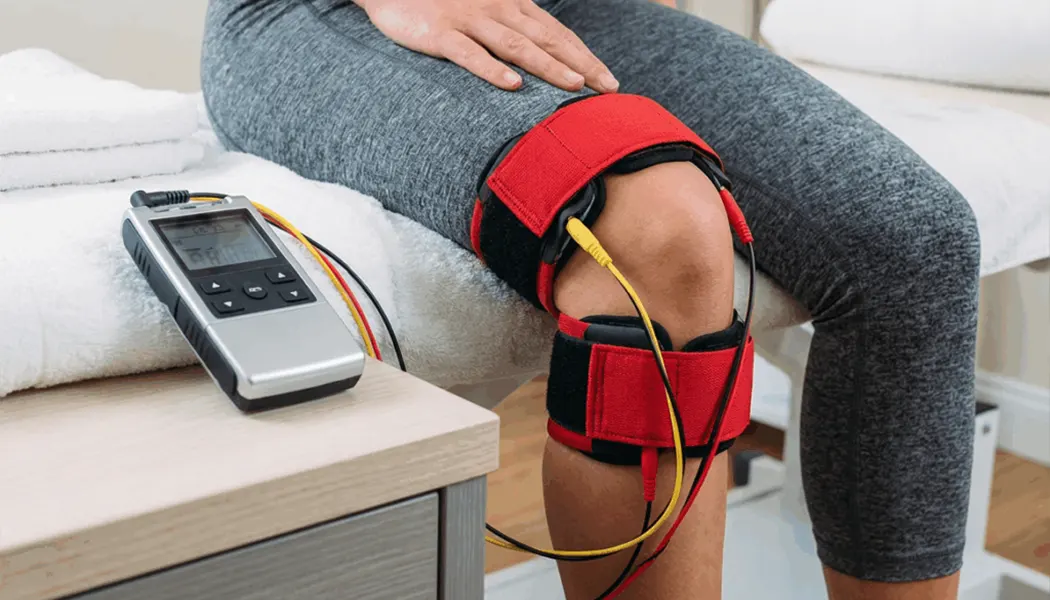
What Is Interferential Therapy (IFT)?
Interferential Therapy, commonly known as IFT, is a type of electrotherapy used in physiotherapy. It involves the use of low-frequency electrical stimulation generated through the interaction of two medium-frequency electrical currents.
During treatment, electrodes are placed on or around the affected area. The electrical stimulation is delivered in a controlled manner based on the patient’s condition, treatment goals, and comfort level.
IFT may be used as part of physiotherapy for managing certain types of pain, muscle discomfort, and movement-related conditions.
Conditions We Treat
Interferential Therapy may be used as part of a physiotherapy programme for various musculoskeletal and movement-related conditions, depending on an individual assessment.
Back Pain: Back pain may result from prolonged sitting, poor posture, muscle weakness, repetitive strain, injury, or physical overuse. IFT may be used as part of a treatment programme to help manage symptoms and improve comfort during movement.
Neck Pain and Stiffness: Long working hours, excessive screen use, poor posture, and muscle tension can contribute to neck discomfort. IFT may be combined with mobility exercises, posture correction, and strengthening to support recovery.
Shoulder Pain: Shoulder pain and stiffness can make reaching, lifting, dressing, and other daily activities difficult. Depending on the cause of symptoms, IFT may be included alongside exercises and rehabilitation techniques.
Knee Pain: Knee discomfort may affect walking, climbing stairs, standing, and sitting. IFT may be used as a supportive modality alongside strengthening exercises, mobility training, and functional rehabilitation.
Muscle Strains: Muscle strains and overuse-related discomfort may cause pain, tightness, and restricted movement. A physiotherapist may use IFT as part of an appropriate rehabilitation plan.
Sports Injuries: Sports-related injuries can affect muscles, ligaments, joints, and soft tissues. Depending on the type and stage of injury, IFT may be included with stretching, strengthening, balance training, and sports rehabilitation.
Joint Pain and Stiffness: Pain and stiffness around joints may affect daily movement and physical activity. Physiotherapy treatment can be customised to improve movement and address individual functional limitations.
Soft Tissue Injuries: Certain soft tissue injuries may cause pain, swelling, stiffness, and difficulty moving. A physiotherapist can assess the injury and recommend suitable treatment techniques.
Post-Injury Rehabilitation: After an injury, patients may experience weakness, reduced mobility, stiffness, or difficulty returning to normal activities. IFT may be one component of a broader rehabilitation programme.
Symptoms
Interferential Therapy (IFT) may be considered as part of a physiotherapy treatment plan for individuals experiencing pain, stiffness, muscle discomfort, and movement-related difficulties. A proper assessment helps determine the cause of symptoms and the most suitable treatment approach.
Persistent Pain: Ongoing pain in areas such as the back, neck, shoulders, knees, or muscles can affect everyday comfort and movement. IFT may be used as part of a physiotherapy programme to help manage suitable pain conditions.
Muscle Tightness: Tight or tense muscles may develop due to prolonged sitting, poor posture, repetitive movements, physical strain, or intense activity. This can cause discomfort and limit normal movement.
Joint Stiffness: Stiffness around a joint can make everyday movements difficult, including bending, walking, reaching, climbing stairs, or changing positions.
Reduced Mobility: Pain, muscle tension, injury, or weakness may reduce your normal range of movement and make it difficult to move comfortably.
Muscle Soreness: Physical activity, sports, exercise, repetitive work, or overuse may lead to muscle soreness and discomfort that affects daily activities.
Movement-Related Discomfort: Some individuals experience discomfort while walking, bending, lifting, reaching, sitting, standing, or performing other regular movements.
Muscle Weakness: Weakness following an injury, reduced physical activity, or a period of immobilisation can affect stability, movement, and overall physical function.
Difficulty Performing Daily Activities: Pain and restricted movement can make routine activities such as getting out of bed, climbing stairs, carrying objects, working, or exercising more challenging.
Sports-Related Discomfort: Athletes and physically active individuals may experience muscle soreness, stiffness, pain, or reduced movement following training, overuse, or certain injuries.
Our Process
Initial Assessment: The physiotherapist begins by understanding your symptoms, pain level, medical history, movement limitations, and overall physical condition. This helps determine whether IFT is suitable for your treatment plan.
Identifying the Treatment Area: The affected area is carefully assessed to understand where you are experiencing pain, stiffness, muscle tightness, or restricted movement. The appropriate treatment area is then identified.
Electrode Placement: Special electrodes are placed on the skin around or near the affected area. The placement is selected according to the condition being treated and the physiotherapist’s assessment.
Setting the IFT Intensity: The IFT machine delivers controlled electrical stimulation through the electrodes. The intensity is gradually adjusted according to your comfort level, and you may experience a mild tingling or buzzing sensation.
Therapy Session: The electrical stimulation is delivered for the recommended duration while your comfort and response are monitored. The treatment settings may be adjusted when required.
Combined Physiotherapy Treatment: Depending on your condition, IFT may be combined with other physiotherapy techniques such as stretching, strengthening exercises, mobility training, posture correction, manual therapy, or functional rehabilitation.
Progress Monitoring: Your physiotherapist monitors your response to treatment and reviews your progress over time. The treatment plan may be modified according to changes in your symptoms, mobility, strength, and recovery goals.
Home Exercise Guidance: When appropriate, you may be given personalised exercises and movement guidance to follow between sessions. This helps support your rehabilitation and improve long-term physical function.
Benefits
Supports Pain Management: IFT may help manage certain types of musculoskeletal pain and discomfort, making it easier for patients to participate in daily activities and physiotherapy exercises.
Helps Reduce Muscle Discomfort: Muscle tightness and tension can develop due to prolonged sitting, physical strain, repetitive movements, or injury. IFT may be used as part of treatment to support muscle relaxation and comfort.
May Help Reduce Stiffness: Pain and muscle tension can contribute to stiffness and restricted movement. IFT may help support symptom management and improve comfort during movement.
Supports Better Mobility: By helping manage pain and discomfort, IFT may allow patients to move more comfortably and participate more effectively in mobility and rehabilitation exercises.
Non-Invasive Treatment: IFT is delivered through electrodes placed on the skin and does not involve injections or surgical procedures, making it a non-invasive physiotherapy treatment option.
Comfortable and Controlled: The intensity of electrical stimulation is carefully adjusted according to the patient’s comfort level and treatment requirements throughout the session.
Complements Other Physiotherapy Treatments: IFT can be combined with stretching, strengthening exercises, mobility training, posture correction, manual therapy, and other appropriate rehabilitation techniques.
Supports Exercise-Based Rehabilitation: Managing pain and discomfort may help patients participate more comfortably in prescribed exercises designed to improve strength, flexibility, mobility, and physical function.
Personalised to Your Needs: The IFT settings and overall treatment plan can be adjusted according to your symptoms, condition, comfort level, and recovery progress.
May Support Functional Recovery: When included as part of a comprehensive physiotherapy programme, IFT can support rehabilitation aimed at improving movement, physical function, and the ability to perform everyday activities.
Why Choose Pure Physio?
Experienced Physiotherapists: Our skilled physiotherapists assess your condition carefully and recommend a personalised treatment approach based on your symptoms, mobility, and recovery goals.
Personalised Treatment Plans: Every patient is different. We create customised physiotherapy programmes based on your individual condition rather than following a one-size-fits-all approach.
Comprehensive Assessment: We take time to understand your pain, medical history, movement limitations, muscle strength, and physical condition before planning your treatment.
Modern Physiotherapy Approach: IFT is used as part of an appropriate physiotherapy programme and may be combined with therapeutic exercises, stretching, strengthening, mobility training, and other rehabilitation techniques.
Focus on Long-Term Recovery: Our approach goes beyond managing immediate symptoms. We focus on improving strength, mobility, flexibility, movement patterns, and overall physical function.
Comfort and Safety First: Your comfort is monitored throughout the session, and the treatment intensity is adjusted according to your individual tolerance and requirements.
One-on-One Attention: We provide focused physiotherapy care, allowing the treatment and rehabilitation programme to be adapted according to your progress and changing needs.
Progress Monitoring: Your recovery is reviewed regularly, helping the physiotherapist adjust exercises and treatment techniques as required.
Guidance Beyond the Session: We provide appropriate home exercise and movement guidance to help you continue working towards your recovery goals between physiotherapy sessions.
Patient-Centred Care: At Pure Physio, our goal is to help you manage pain, improve mobility, regain strength, and return to your daily activities with greater comfort and confidence.
Start Your Recovery Journey Today
Don’t let pain, stiffness, or reduced mobility affect your daily life. Get personalised physiotherapy care designed around your condition and recovery goals.