Epidural Steroid Injection
Advanced Epidural Steroid Injections for Targeted Relief from Back, Neck & Nerve Pain
Take the First Step Towards Better Movement
Our experienced physiotherapists are here to help you improve mobility, regain strength, and move with greater comfort and confidence.
It may be recommended for suitable patients after a detailed medical assessment, particularly when pain is associated with inflammation or irritation affecting spinal nerve structures. At Pure Physio, patients are supported with an individualised care approach that may combine appropriate medical treatment with physiotherapy and rehabilitation.
What Is It?
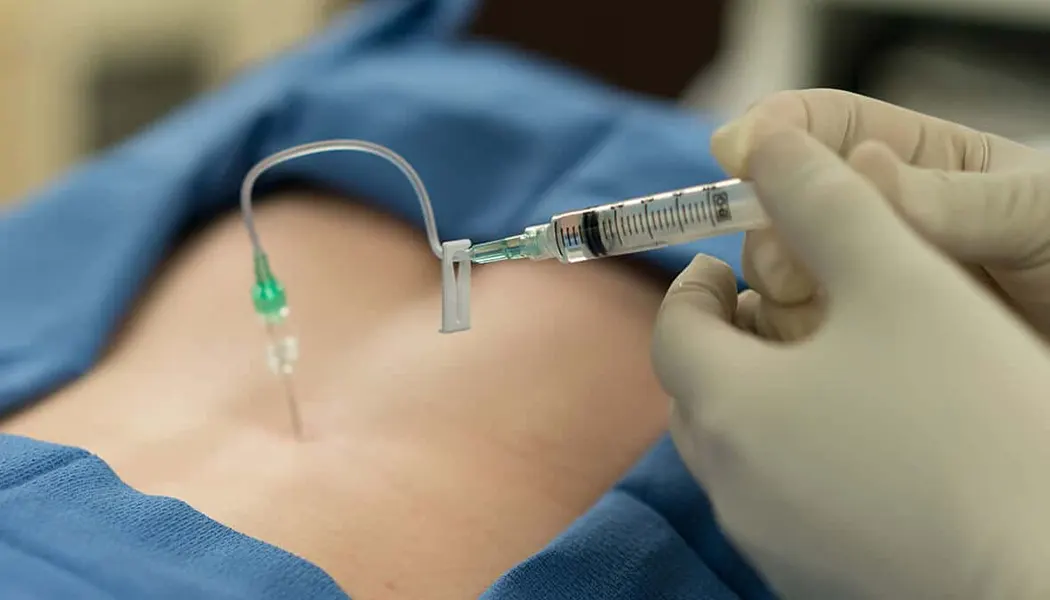
Targeted Spinal Pain Management: An Epidural Steroid Injection delivers anti-inflammatory medication into the epidural space, an area surrounding the spinal cord and spinal nerve roots. The aim is to help reduce inflammation and manage pain in suitable patients.
Nerve-Related Pain Relief: Inflammation or irritation around spinal nerve roots can contribute to pain that travels from the neck into the arm or from the lower back into the buttock and leg. ESI may be considered when clinically appropriate for managing these symptoms.
Image-Guided Precision: Depending on the type of injection and clinical setting, imaging guidance such as fluoroscopy may be used to help accurately guide needle placement and medication delivery.
Medication-Based Treatment: The injection commonly includes a corticosteroid medication, and a local anaesthetic may also be used depending on the treatment plan and specialist’s assessment.
Part of a Comprehensive Care Plan: An Epidural Steroid Injection is often considered alongside physiotherapy, mobility exercises, strengthening, posture correction, and rehabilitation to help address movement limitations and support functional recovery.
Conditions We Treat
Sciatica: Epidural Steroid Injections may be considered for suitable patients experiencing leg pain associated with irritation or inflammation of spinal nerve roots.
Herniated or Bulging Disc: A disc problem may irritate or compress a nearby spinal nerve and cause pain, tingling, numbness, or weakness. ESI may be considered in appropriate cases to help manage inflammation and nerve-related symptoms.
Lumbar Radiculopathy: Lumbar radiculopathy refers to symptoms caused by irritation or compression of nerve roots in the lower back. Patients may experience radiating pain, tingling, numbness, or weakness travelling into the leg.
Cervical Radiculopathy: Irritation or inflammation of nerve roots in the neck may cause pain, tingling, numbness, or weakness travelling into the shoulder, arm, or hand. An appropriate epidural injection may be considered for selected patients.
Spinal Stenosis: Narrowing of spaces within the spine can affect nearby nerve structures and contribute to pain or other symptoms. ESI may be considered for suitable patients depending on the location and cause of symptoms.
Persistent Neck or Back Pain: Certain patients with ongoing spinal pain and associated nerve-related symptoms may be evaluated for an Epidural Steroid Injection when appropriate conservative treatment has not provided adequate relief.
Disc-Related Nerve Pain: Inflammation around a spinal disc problem may contribute to radiating pain and other nerve-related symptoms. A targeted injection may be considered as part of a broader pain management plan.
Symptoms
Radiating Pain: Pain travelling from the lower back into the buttock, thigh, or leg, or from the neck into the shoulder, arm, or hand, may be associated with spinal nerve irritation.
Persistent Back Pain: Ongoing lower or upper back pain that affects sitting, standing, walking, working, or sleeping may require a detailed medical and physiotherapy assessment.
Persistent Neck Pain: Long-standing neck pain, particularly when associated with radiating arm symptoms, stiffness, or reduced movement, may require further evaluation.
Numbness or Tingling: Pins-and-needles sensations, tingling, or numbness in the arms, hands, legs, or feet may occur when certain spinal nerves are affected.
Burning or Shooting Pain: Sharp, burning, shooting, or electric-like pain may occur with some nerve-related conditions and should be professionally assessed.
Muscle Weakness: Weakness in an arm or leg may occur with certain nerve-related conditions and requires appropriate medical evaluation.
Pain During Daily Activities: Difficulty walking, sitting, standing, driving, working, exercising, or sleeping because of spinal or radiating pain may indicate the need for an individualised treatment plan.
Our Process
Initial Assessment: The process begins with a detailed review of your symptoms, medical history, pain pattern, physical limitations, previous treatments, and relevant imaging or diagnostic results.
Clinical Evaluation: A qualified medical professional assesses whether an Epidural Steroid Injection may be appropriate based on the suspected cause and location of your pain and nerve-related symptoms.
Personalised Treatment Planning: If ESI is considered suitable, the procedure is planned according to the affected spinal region, diagnosis, symptoms, and individual clinical requirements.
Preparation for the Procedure: You are positioned appropriately for the targeted spinal area, and the treatment site is prepared according to clinical and safety protocols.
Image-Guided Injection: A qualified medical professional carefully guides the needle towards the epidural space using appropriate imaging guidance where required. The selected medication is then administered according to the treatment plan.
Monitoring and Aftercare: After the procedure, you may be monitored for an appropriate period and provided with instructions regarding activity, recovery, and follow-up care.
Rehabilitation and Follow-Up: Depending on your condition, physiotherapy may be recommended after the procedure. Treatment may include mobility exercises, progressive strengthening, posture correction, core training, and functional rehabilitation.
Benefits
Targeted Anti-Inflammatory Treatment: ESI delivers medication near the affected spinal nerve area to help manage inflammation and associated symptoms in suitable patients.
May Help Reduce Nerve-Related Pain: For appropriate conditions, reducing inflammation around spinal nerves may help manage radiating pain into the arms or legs.
Minimally Invasive Approach: Epidural Steroid Injections may be considered as a non-surgical pain management option for suitable patients.
May Improve Daily Comfort: Pain management may help patients sit, stand, walk, sleep, and perform daily activities with greater comfort.
Supports Better Mobility: Reduced pain and irritation may help suitable patients participate more comfortably in movement and rehabilitation activities.
May Support Physiotherapy: Managing significant pain may make it easier for some patients to participate in physiotherapy, strengthening, and functional rehabilitation.
Personalised Treatment: The type, location, and approach of the injection are determined according to the patient’s diagnosis, symptoms, anatomy, and medical assessment.
Part of Comprehensive Care: ESI may be combined with physiotherapy and other appropriate treatments to support pain management, improved movement, and long-term functional recovery.
Why Choose Pure Physio?
Detailed Individual Assessment: At Pure Physio, we take time to understand your symptoms, pain pattern, movement limitations, and treatment history to help guide you towards an appropriate care pathway.
Patient-Focused Treatment: Every case of neck, back, or nerve-related pain is different. Our approach is based on individual assessment, clinical needs, and personalised recovery goals.
Qualified Professional Care: Epidural Steroid Injections should be performed by appropriately qualified medical professionals using suitable clinical techniques and safety protocols.
Integrated Pain Management: Where appropriate, we support a comprehensive approach that combines medical pain management with physiotherapy, mobility work, strengthening, posture correction, and rehabilitation.
Focus on Functional Recovery: Our goal is not limited to managing pain. We also help patients work towards improved mobility, strength, movement confidence, and everyday function.
Personalised Rehabilitation: Physiotherapy programmes may be tailored following appropriate treatment to address stiffness, weakness, poor movement patterns, and individual recovery requirements.
Ongoing Support: We support patients throughout their rehabilitation journey, helping monitor progress and adapt their physiotherapy programme according to their needs and goals.
Start Your Recovery Journey Today
Don’t let pain, stiffness, or reduced mobility affect your daily life. Get personalised physiotherapy care designed around your condition and recovery goals.