Dynamic Compression Therapy
Advanced Dynamic Compression Therapy for Faster Recovery, Reduced Fatigue & Better Performance
Take the First Step Towards Better Movement
Our experienced physiotherapists are here to help you improve mobility, regain strength, and move with greater comfort and confidence.
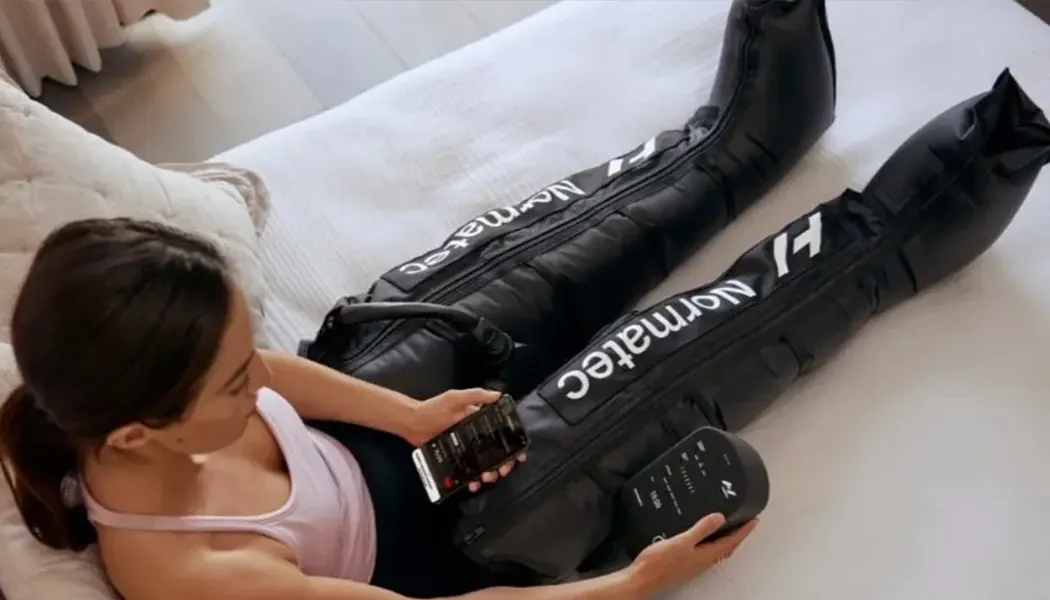
Specialised compression sleeves or boots are placed around the arms or legs and inflate and deflate in programmed cycles. At Pure Physio, Dynamic Compression Therapy may be used as part of a personalised physiotherapy, sports recovery, or rehabilitation programme based on your individual condition and recovery goals.
What Is It?
Controlled Intermittent Compression: Dynamic Compression Therapy uses specialised equipment that applies controlled pressure to specific areas of the body, usually the legs or arms. The compression chambers inflate and deflate in a programmed sequence.
Supports Circulation and Fluid Movement: The changing pressure may help support blood circulation and the movement of fluid within the treated limb. This can be beneficial for suitable patients experiencing muscle fatigue, exercise-related soreness, or certain swelling-related concerns.
Advanced Recovery Technology: The therapy provides a controlled and adjustable form of compression, allowing treatment settings such as pressure level and treatment duration to be adapted according to the individual’s needs.
Supports Sports and Physical Recovery: Dynamic Compression Therapy is commonly incorporated into recovery programmes for active individuals and athletes following intense training, physical activity, or exercise.
Part of a Personalised Treatment Plan: At Pure Physio, Dynamic Compression Therapy may be combined with physiotherapy, stretching, mobility exercises, manual therapy, strengthening, and other rehabilitation techniques for a comprehensive recovery approach.
Conditions We Treat
Sports-Related Muscle Fatigue: Dynamic Compression Therapy may help support recovery after intense sports participation or physical activity that causes feelings of muscle fatigue and heaviness.
Post-Exercise Soreness: Patients experiencing muscle soreness and tiredness after exercise may use Dynamic Compression Therapy as part of an appropriate recovery routine.
Muscle Recovery: Following intense training or repetitive physical activity, controlled compression may help support the body’s natural recovery process and improve feelings of muscle comfort.
Exercise-Related Swelling: Mild swelling following physical activity or certain injuries may require appropriate assessment. Dynamic Compression Therapy may be considered where clinically suitable.
Post-Injury Rehabilitation: During appropriate stages of recovery, controlled compression may be included as part of a rehabilitation programme for suitable injuries to support comfort and recovery.
Reduced Circulation Due to Inactivity: Limited movement after injury or prolonged periods of inactivity can affect normal circulation. Dynamic Compression Therapy may be considered for suitable patients after professional assessment.
Heavy and Tired Legs: Individuals who experience feelings of heaviness, tiredness, or fatigue in their legs after prolonged activity may benefit from controlled compression as part of an appropriate care plan.
Symptoms
Muscle Fatigue: A feeling of tired, heavy, or overworked muscles after sports, exercise, training, or prolonged physical activity may indicate the need for adequate recovery.
Post-Exercise Soreness: Muscle soreness and discomfort after strenuous activity can affect mobility and performance during subsequent training sessions.
Heavy Legs: A sensation of heaviness or tiredness in the legs after prolonged standing, walking, training, or physical activity may affect comfort and movement.
Mild Swelling: Visible puffiness or mild swelling after exercise or an injury may require appropriate assessment to identify the cause before treatment.
Reduced Recovery Between Sessions: Feeling that muscles remain tired or sore for an extended period between workouts or training sessions may indicate the need for a better recovery strategy.
Muscle Stiffness: Tightness and stiffness after physical activity may make it difficult to move comfortably and perform at your usual level.
Reduced Physical Readiness: Persistent feelings of fatigue, heaviness, or muscle discomfort may affect confidence and readiness for exercise or sports activities.
Our Process
Initial Assessment: The physiotherapist begins by understanding your physical activity level, symptoms, medical history, injury status, circulation-related concerns, and recovery goals to determine whether Dynamic Compression Therapy is appropriate.
Personalised Treatment Planning: Based on the assessment, the treatment settings, targeted area, pressure level, and session duration are selected according to your individual needs and comfort.
Compression Garment Fitting: Specialised compression boots or sleeves are placed around the legs or arms, depending on the treatment area.
Programmed Compression Cycles: The equipment delivers controlled cycles of inflation and deflation. The pressure may move through different sections of the garment in a programmed sequence.
Comfort and Response Monitoring: Your comfort and response are monitored during treatment, and settings may be adjusted according to your needs and treatment goals.
Combined Recovery and Rehabilitation: Depending on your condition, Dynamic Compression Therapy may be combined with stretching, mobility exercises, strengthening, physiotherapy, or other appropriate recovery techniques.
Benefits
Supports Muscle Recovery: Dynamic Compression Therapy may help support recovery following intense physical activity, exercise, or sports participation.
May Reduce Feelings of Muscle Fatigue: Controlled compression may help reduce feelings of tiredness, heaviness, and fatigue in the treated muscles.
Supports Circulation: The intermittent pressure cycles may help support normal circulation and fluid movement in the treated area.
May Help Manage Mild Swelling: For suitable patients and conditions, controlled compression may be included as part of a professional approach to managing certain types of swelling.
Helps You Feel Refreshed: Many individuals use Dynamic Compression Therapy as part of their recovery routine to support a feeling of lighter, more comfortable legs or muscles.
Non-Invasive and Comfortable: The therapy is non-invasive and does not require needles or surgery. Treatment pressure and settings can be adjusted based on individual comfort and needs.
Supports Athletic Performance Recovery: When combined with proper rest, hydration, nutrition, and rehabilitation, Dynamic Compression Therapy may support recovery between training sessions and physical activities.
Complements Physiotherapy: Dynamic Compression Therapy can be combined with other physiotherapy treatments, mobility exercises, stretching, strengthening, and rehabilitation programmes.
Why Choose Pure Physio?
Personalised Recovery Plans: At Pure Physio, we assess your activity level, symptoms, physical condition, and recovery goals before recommending an appropriate treatment approach.
Advanced Recovery Technology: Our Dynamic Compression Therapy uses controlled, programmable compression to provide a consistent and targeted recovery experience.
Suitable for Athletes and Active Individuals: Whether you are training regularly, recovering after a sporting event, or managing exercise-related muscle fatigue, we can help create an appropriate recovery plan.
Comprehensive Physiotherapy Care: Dynamic Compression Therapy may be combined with physiotherapy, manual therapy, mobility work, stretching, and strengthening for a complete rehabilitation approach.
Professional Assessment: We consider your symptoms and overall condition before treatment to ensure Dynamic Compression Therapy is appropriate for your individual needs.
Comfort-Focused Treatment: Treatment settings are adjusted according to your comfort, targeted area, and recovery requirements.
Focus on Better Recovery: Our goal is to help suitable patients manage muscle fatigue, improve comfort, support recovery, and return to daily activities, exercise, or sports feeling more prepared.
Start Your Recovery Journey Today
Don’t let pain, stiffness, or reduced mobility affect your daily life. Get personalised physiotherapy care designed around your condition and recovery goals.