Cupping Therapy
Personalised Cupping Therapy for Muscle Relief, Relaxation & Better Mobility
Take the First Step Towards Better Movement
Our experienced physiotherapists are here to help you improve mobility, regain strength, and move with greater comfort and confidence.
A traditional therapy approach that uses suction cups to help relieve muscle tension, improve relaxation, and support better movement and recovery.
What Is It?
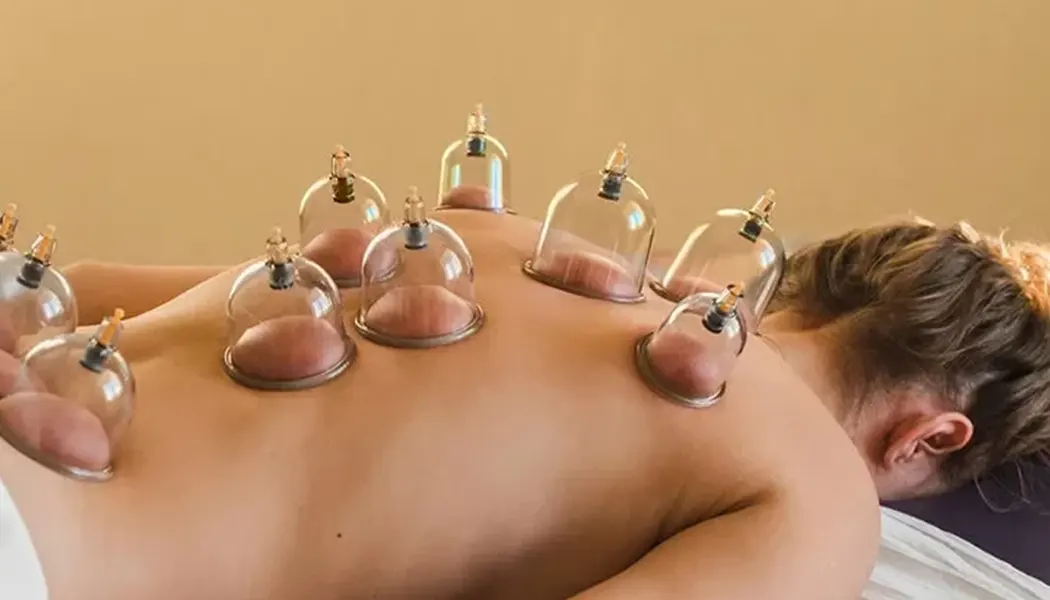
Cupping Therapy is a therapeutic technique that involves placing special cups on selected areas of the body to create controlled suction. The suction gently lifts the skin and underlying tissues and may be used to help manage muscle tightness, discomfort, and movement-related stiffness.
Cupping Therapy has been used in various traditional healing practices and may also be incorporated into a modern physiotherapy or wellness programme when appropriate. Different techniques may be used depending on the individual’s condition and treatment goals.
At Pure Physio, treatment begins with an assessment of your symptoms, areas of discomfort, muscle condition, mobility, and recovery requirements. Cupping Therapy may be used as part of a personalised treatment plan and can be combined with stretching, manual techniques, therapeutic exercises, and mobility training where appropriate.
The treatment may temporarily leave circular marks or discolouration on the skin. These marks usually fade over time, and their appearance can vary depending on the individual and the intensity of suction used.
Conditions We Treat
Cupping Therapy may be considered as part of a personalised treatment programme for certain musculoskeletal and movement-related concerns.
Back Pain and Muscle Tightness: Back discomfort and muscle tension may develop due to prolonged sitting, poor posture, physical strain, repetitive movements, or overuse. Cupping Therapy may be used to support relaxation and comfort as part of an appropriate treatment plan.
Neck Pain and Stiffness: Long working hours, screen use, poor posture, and muscle tension can contribute to neck stiffness and discomfort. Cupping Therapy may be combined with mobility exercises, stretching, and posture-related guidance.
Shoulder and Upper Back Tension: Tightness around the shoulders and upper back can affect comfort during work, exercise, and daily activities. Cupping may be used to support muscle relaxation and improve movement comfort.
Muscle Strains and Overuse: Repetitive activity, exercise, and physical strain may lead to muscle soreness and tightness. Depending on the condition and stage of recovery, cupping may be included as part of a rehabilitation or recovery programme.
Sports-Related Muscle Discomfort: Athletes and physically active individuals may experience muscle tightness, soreness, and fatigue after training or intense physical activity. Cupping Therapy may be used as part of a recovery-focused treatment plan.
Joint Stiffness: Muscle tightness around a joint can contribute to restricted movement and discomfort. Cupping may be combined with stretching and mobility exercises to support better movement.
Postural Muscle Tension: Poor posture and prolonged sitting may place stress on certain muscle groups, particularly around the neck, shoulders, and back. A personalised treatment approach may help address muscle tension and movement-related discomfort.
General Muscle Soreness: Physical work, exercise, repetitive movements, or prolonged inactivity may lead to muscle soreness and stiffness. Cupping Therapy may be considered as a supportive technique for suitable individuals.
Symptoms
Cupping Therapy may be considered for individuals experiencing muscle-related discomfort, tension, stiffness, and movement difficulties.
Muscle Tightness: Tight or tense muscles can develop due to prolonged sitting, repetitive movements, physical strain, exercise, or poor posture and may restrict comfortable movement.
Persistent Muscle Discomfort: Ongoing discomfort in areas such as the back, neck, shoulders, or legs can affect everyday comfort and physical activity.
Neck and Shoulder Tension: Tension around the neck and shoulders may cause stiffness and discomfort, particularly for individuals who spend long hours sitting or working on screens.
Back Stiffness: Stiffness in the upper or lower back may make bending, twisting, standing, or sitting for long periods uncomfortable.
Reduced Mobility: Muscle tightness and discomfort may reduce flexibility and make it difficult to perform normal movements comfortably.
Movement-Related Discomfort: Some individuals experience discomfort while bending, lifting, reaching, turning, exercising, or performing other daily movements.
Muscle Soreness After Exercise: Physical activity, sports, intense training, or unfamiliar exercise routines may result in muscle soreness and temporary stiffness.
Postural Discomfort: Prolonged sitting, poor working posture, and repetitive body positions can contribute to muscle tension and discomfort.
Feeling of Muscle Fatigue: Overworked muscles may feel tired, heavy, or uncomfortable, particularly after physical activity or repetitive work.
Our Process
Initial Assessment: The therapist begins by understanding your symptoms, areas of discomfort, medical history, physical condition, and treatment goals. This helps determine whether Cupping Therapy is suitable for you.
Identifying the Treatment Area: Areas of muscle tightness, stiffness, or discomfort are assessed to identify the appropriate regions for treatment.
Preparing the Skin: The treatment area is prepared, and the skin may be cleaned before placing the cups.
Cup Placement: Special cups are placed on selected areas of the body to create controlled suction. The level of suction is selected according to the treatment requirements and your comfort.
Therapy Application: The cups may remain in place for a controlled period. Depending on the technique used, cups may also be gently moved over selected muscle areas.
Monitoring Your Comfort: Your response and comfort are monitored throughout the session. The suction can be adjusted or the cups removed if you experience significant discomfort.
Combined Treatment Approach: Depending on your needs, Cupping Therapy may be combined with stretching, manual techniques, mobility exercises, strengthening, or other appropriate physiotherapy interventions.
Aftercare Guidance: You may receive guidance about caring for the treated area and returning to regular activity. Temporary circular marks or skin discolouration can occur after treatment and generally fade with time.
Benefits
May Help Relieve Muscle Tension: Cupping Therapy may help support relaxation in areas affected by muscle tightness and tension.
Supports Improved Movement Comfort: Reducing feelings of tightness and discomfort may help individuals move more comfortably during daily activities and exercise.
May Help Reduce Stiffness: Cupping may be included as part of a treatment programme for muscle stiffness and restricted movement.
Supports Relaxation: The treatment may provide a feeling of relaxation and help reduce sensations of muscular tension.
Non-Invasive Approach: Cupping Therapy is performed externally on the skin and does not involve surgical procedures or injections.
Can Complement Physiotherapy: Cupping may be combined with stretching, mobility exercises, strengthening, manual therapy, and other appropriate rehabilitation techniques.
Supports Sports Recovery: For suitable individuals, Cupping Therapy may be included as part of a recovery programme for muscle soreness and tightness following physical activity.
Personalised to Individual Needs: The placement, suction level, and treatment approach can be adjusted according to the individual’s symptoms, comfort, and treatment goals.
May Support Flexibility and Mobility: When combined with appropriate stretching and movement exercises, treatment may support improved movement and flexibility.
Focus on Overall Physical Comfort: Cupping Therapy may be used as part of a broader approach focused on muscle comfort, mobility, relaxation, and physical well-being.
Why Choose Pure Physio?
Experienced Professionals: Our team carefully assesses your symptoms, muscle condition, mobility, and treatment requirements before recommending an appropriate approach.
Personalised Treatment Plans: Every individual experiences discomfort differently. We customise the treatment based on your specific needs, symptoms, comfort, and recovery goals.
Detailed Assessment: We take time to understand the affected areas, movement limitations, muscle tension, and overall physical condition before beginning treatment.
Safe and Professional Approach: Treatment is provided with careful attention to appropriate technique, hygiene, patient comfort, and individual treatment requirements.
Comprehensive Care: Cupping Therapy may be combined with suitable physiotherapy techniques, stretching, mobility training, strengthening exercises, and rehabilitation support.
Comfort and Care First: Your comfort is monitored throughout the treatment, and the approach can be adjusted according to your response and tolerance.
Focus on Better Movement: Our approach focuses not only on temporary comfort but also on supporting improved mobility, flexibility, and physical function.
One-on-One Attention: We provide focused care and adapt the treatment according to your symptoms, comfort level, and changing needs.
Guidance Beyond the Session: When appropriate, we provide movement, stretching, and self-care guidance to help support your physical well-being between sessions.
Patient-Centred Care: At Pure Physio, our goal is to help you manage muscle discomfort, reduce tension, improve mobility, and move through everyday life with greater comfort and confidence.
Start Your Recovery Journey Today
Don’t let pain, stiffness, or reduced mobility affect your daily life. Get personalised physiotherapy care designed around your condition and recovery goals.