Inflammation
Get a proper assessment to understand the possible cause and receive guidance for suitable treatment and rehabilitation.
Contents
Take the First Step Towards Better Movement
Our experienced physiotherapists are here to help you improve mobility, regain strength, and move with greater comfort and confidence.
What Is It?
Inflammation is a natural response of the body’s immune system to injury, irritation, infection, or tissue damage. It is part of the body’s healing and protective process and may occur in muscles, joints, tendons, ligaments, and other tissues.
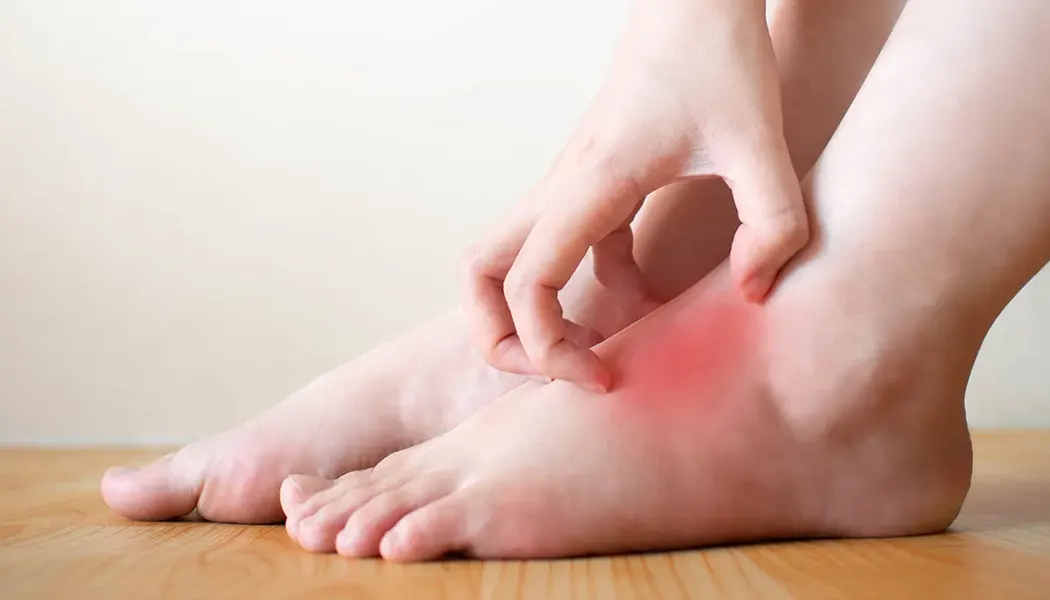
Acute inflammation often develops over a short period, such as after an injury or sudden strain. It may cause symptoms including pain, swelling, redness, warmth, and reduced movement.
Inflammation can also persist for a longer period depending on the underlying cause. Ongoing inflammation may contribute to continued pain, stiffness, swelling, and difficulty performing everyday activities.
When inflammation affects the musculoskeletal system, appropriate assessment can help identify contributing factors and determine whether physiotherapy, medical treatment, activity modification, or other care may be required.
Causes
Injury: Falls, accidents, sudden twists, muscle strains, ligament injuries, and other physical trauma can trigger inflammation as part of the body’s healing response.
Muscle Overuse: Repeated or excessive use of muscles may cause tissue irritation and inflammation-related symptoms.
Repetitive Movements: Repeating the same movement during work, exercise, sports, or daily activities may place ongoing stress on muscles, tendons, or joints.
Sports Injuries: Sudden impacts, excessive training, incorrect movement techniques, and overuse can contribute to inflammation following sports-related injuries.
Joint Problems: Certain joint conditions may involve inflammation, pain, stiffness, or swelling and require appropriate assessment.
Tendon Irritation: Repeated stress on tendons may lead to pain and inflammation-related symptoms in the affected area.
Muscle Strains: Overstretching or overloading a muscle may damage tissue and lead to pain, swelling, and inflammation.
Poor Movement Patterns: Altered posture, poor movement control, or incorrect exercise techniques may place repeated stress on certain areas of the body.
Underlying Medical Conditions: Inflammation may also be associated with medical conditions, infections, or immune-related disorders. These require appropriate medical evaluation and treatment.
Risk Factors
Repetitive Physical Activity: Performing the same movements repeatedly can increase stress on specific muscles, joints, and tendons.
Sudden Increase in Exercise: Rapidly increasing workout intensity, duration, frequency, or training volume may overload tissues before they have time to adapt.
Previous Injuries: A previous injury may affect normal movement, strength, or mobility and increase the risk of repeated irritation.
Poor Exercise Technique: Incorrect form during exercise, sports, or physical activity can place unnecessary stress on muscles and joints.
Physically Demanding Work: Frequent lifting, carrying, bending, pushing, pulling, or repetitive movements may increase the risk of overuse-related problems.
Poor Posture: Maintaining awkward positions for long periods may place additional stress on certain muscles and joints.
Inadequate Recovery: Insufficient rest between intense workouts or physically demanding activities may increase the likelihood of tissue irritation.
Muscle Weakness: Reduced muscle strength or poor movement control may affect how forces are distributed through the body.
Reduced Mobility: Stiffness and limited movement in joints or surrounding tissues may contribute to altered movement patterns.
Underlying Health Conditions: Certain medical conditions may increase the risk of inflammation and should be managed with appropriate medical care.
Preventive Measures
Stay Physically Active: Regular and appropriate physical activity can help maintain strength, mobility, and overall musculoskeletal health.
Increase Activity Gradually: Avoid sudden increases in exercise intensity, duration, or frequency. Give your body time to adapt to new physical demands.
Use Proper Exercise Technique: Correct movement patterns and exercise techniques may help reduce unnecessary stress on muscles and joints.
Warm Up Before Activity: An appropriate warm-up can prepare the body for exercise, sports, and physically demanding activities.
Allow Adequate Recovery: Give muscles and other tissues enough time to recover after intense workouts or repetitive physical activity.
Maintain Good Posture: Improving sitting, standing, and working posture may help reduce repeated strain on the musculoskeletal system.
Strengthen Supporting Muscles: Suitable strengthening exercises may improve muscle support and movement control around joints.
Maintain Good Mobility: Regular mobility exercises and appropriate stretching can help maintain comfortable movement.
Avoid Ignoring Persistent Pain: Continuing activities through ongoing pain may increase stress on an already irritated area. Seek professional advice when symptoms persist.
Address Injuries Early: Appropriate assessment and rehabilitation after an injury may help support recovery and restore normal movement.
When To Seek Medical Help?
Mild inflammation-related symptoms may improve as the body recovers. However, some symptoms require professional medical assessment.
Persistent Pain or Swelling: Pain or swelling that continues, repeatedly returns, or worsens should be professionally assessed.
Severe Pain: Significant pain that affects normal movement, sleep, or daily activities may require medical attention.
Increasing Redness or Warmth: Increasing redness, warmth, or swelling around an area should be evaluated, particularly if symptoms are worsening.
Difficulty Moving: If pain and stiffness significantly limit your ability to walk, use a limb, bend, lift, or perform everyday activities, seek professional advice.
Symptoms After a Significant Injury: Severe swelling, pain, or loss of movement following a fall, accident, or major injury may require prompt assessment.
Fever or Feeling Unwell: Inflammation-related symptoms accompanied by fever, chills, or significant illness should be medically evaluated.
Unexplained Symptoms: Persistent swelling or inflammation without an obvious injury or cause should be assessed by a healthcare professional.
Numbness or Weakness: New numbness, tingling, or significant weakness should not be ignored and may require further evaluation.
Treatment Overview
Treatment for inflammation depends on the underlying cause, affected body area, severity of symptoms, and overall health condition. Because inflammation can occur for many different reasons, proper assessment is important before beginning treatment.
For musculoskeletal conditions, a healthcare professional or physiotherapist may assess your symptoms, injury history, movement patterns, muscle strength, mobility, and functional limitations.
Depending on the assessment and medical guidance, treatment may include activity modification, rehabilitation exercises, mobility training, strengthening, manual techniques, and other appropriate physiotherapy approaches.
The aim is to support recovery, restore movement and function, and address factors that may contribute to repeated irritation or injury. Physiotherapy does not replace medical treatment for infections, inflammatory diseases, or other underlying conditions requiring medical care.
Physiotherapy Treatments
Detailed Assessment: A physiotherapist assesses the affected area, symptoms, movement limitations, strength, mobility, injury history, and daily activities to identify relevant musculoskeletal factors.
Activity Modification: Guidance may be provided to help temporarily modify activities that increase pain or place excessive stress on the affected area.
Mobility Exercises: Suitable exercises may help maintain or gradually restore comfortable joint and muscle movement.
Strengthening Exercises: Progressive strengthening may help improve muscle support and movement control as appropriate for the stage of recovery.
Stretching Exercises: Targeted stretching may be included where appropriate to address muscle tightness and maintain flexibility.
Manual Therapy: Hands-on physiotherapy techniques may be used when appropriate based on the condition and stage of recovery.
Soft Tissue Techniques: Suitable techniques may be used to address surrounding muscle tightness and movement restrictions.
Ultrasound Therapy: Therapeutic Ultrasound may be considered as part of a physiotherapy programme for suitable soft tissue and musculoskeletal conditions.
IFT Therapy: Interferential Therapy may be included as part of a broader treatment programme for suitable individuals experiencing pain and muscle-related discomfort.
Laser Therapy: Laser Therapy may be considered as part of an individualised physiotherapy treatment plan for suitable musculoskeletal concerns.
Kinesio Taping: For suitable conditions, therapeutic taping may be used to provide additional support while allowing functional movement.
Progressive Rehabilitation: Your exercise programme may be gradually progressed according to symptoms, movement, strength, and functional recovery.
Personalised Home Exercise Programme: A customised programme may help support recovery, maintain mobility, improve strength, and guide a safe return to everyday activities.
Start Your Recovery Journey Today
Don’t let pain, stiffness, or reduced mobility affect your daily life. Get personalised physiotherapy care designed around your condition and recovery goals.