
Foot Pain
Don't let foot pain make walking and everyday activities more difficult. Get personalised physiotherapy care based on your symptoms, movement needs, and recovery goals.
Contents
Take the First Step Towards Better Movement
Our experienced physiotherapists are here to help you improve mobility, regain strength, and move with greater comfort and confidence.
What Is It?
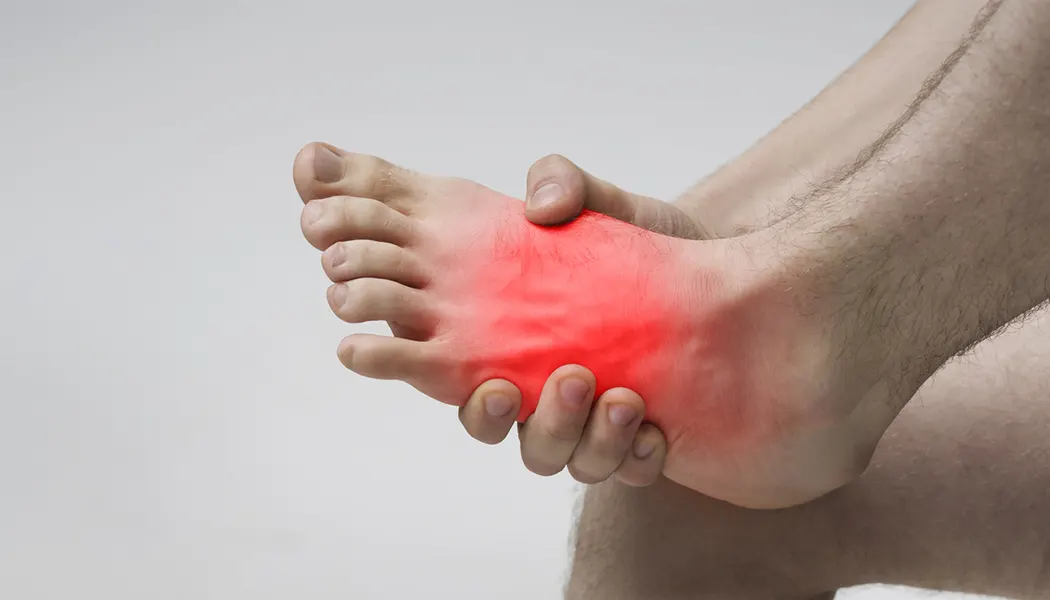
Foot pain refers to discomfort, aching, soreness, or pain affecting any part of the foot, including the heel, arch, sole, toes, or top of the foot. It may develop gradually or suddenly and can range from mild discomfort to pain that significantly affects walking and everyday movement.
The foot is made up of multiple bones, joints, muscles, tendons, ligaments, and soft tissues. Because the feet support body weight and are involved in standing, walking, running, and other daily activities, problems affecting any of these structures may contribute to foot pain.
Some people experience foot pain after prolonged standing, walking long distances, exercise, sports, or wearing unsuitable footwear. Foot pain may also develop following an injury or due to movement patterns that place additional stress on the feet.
Persistent or recurring foot pain should be properly assessed to identify possible contributing factors and determine the most suitable treatment approach.
Causes
Prolonged Standing: Standing for long hours can place repeated pressure on the feet and may lead to muscle fatigue, soreness, and discomfort.
Overuse: Walking long distances, running, sports, or repetitive physical activity can place additional stress on the muscles, tendons, and other structures of the foot.
Foot and Ankle Injuries: Sprains, strains, falls, sudden twisting movements, or sports injuries can cause pain and difficulty bearing weight.
Muscle and Tendon Strain: Excessive or repetitive loading can affect the muscles and tendons around the foot and ankle, leading to pain and movement-related discomfort.
Plantar Fascia-Related Pain: Pain around the bottom of the foot or heel may be associated with irritation or overload of the plantar fascia and surrounding structures.
Poor Footwear: Shoes that do not provide suitable support or fit comfortably may place additional stress on the feet and affect normal walking patterns.
High-Impact Activities: Repeated jumping, running, or other high-impact activities can increase the load placed on the feet.
Reduced Foot and Ankle Mobility: Stiffness or reduced movement in the foot and ankle may affect walking mechanics and contribute to discomfort.
Poor Movement Patterns: Changes in walking, posture, lower-limb alignment, or movement control may place uneven stress on different areas of the foot.
Previous Injuries: A previous injury affecting the foot, ankle, knee, or other areas of the lower limb may influence movement patterns and contribute to recurring foot discomfort.
Underlying Medical Conditions: In some cases, foot pain may be related to an underlying medical condition and may require appropriate medical assessment.
Risk Factors
Prolonged Standing or Walking: Jobs and activities that require long periods of standing or walking can increase repeated stress on the feet.
High-Impact Sports: Running, jumping, and sports involving repeated impact may increase the risk of overuse-related foot problems.
Sudden Increase in Activity: Rapidly increasing walking, running, exercise intensity, or training volume may overload the feet before they have time to adapt.
Unsuitable Footwear: Poorly fitting or unsupportive footwear may affect comfort and increase stress on certain areas of the foot.
Previous Foot or Ankle Injury: Previous injuries may affect strength, mobility, balance, and movement patterns.
Muscle Weakness: Weakness in the foot, ankle, or surrounding lower-limb muscles may affect stability and movement control.
Reduced Flexibility: Tightness in the calves, feet, or surrounding muscles may affect ankle and foot movement.
Poor Balance and Movement Control: Reduced balance or altered movement patterns may increase the risk of placing uneven stress on the foot.
Repetitive Physical Activity: Repeated movements during work, sports, or exercise can contribute to overuse-related discomfort.
Increasing Age: Changes in mobility, activity levels, and musculoskeletal function may contribute to foot-related discomfort in some individuals.
Preventive Measures
Wear Suitable Footwear: Choose footwear that fits comfortably and is appropriate for your daily activities, work, exercise, or sport.
Increase Activity Gradually: Avoid suddenly increasing your walking distance, running intensity, exercise duration, or training volume.
Stay Physically Active: Regular, appropriate physical activity can help maintain muscle strength, mobility, and overall lower-limb function.
Strengthen the Feet and Ankles: Suitable exercises may help improve strength and control around the feet and ankles.
Maintain Good Mobility: Regular mobility exercises and appropriate stretching may help maintain comfortable movement in the feet and ankles.
Warm Up Before Exercise: Prepare your body before sports or intense physical activity with an appropriate warm-up.
Use Proper Exercise Technique: Correct movement and training techniques may help reduce unnecessary stress on the feet and lower limbs.
Take Adequate Recovery: Allow sufficient recovery after intense exercise, sports, or prolonged physical activity.
Address Pain Early: Avoid ignoring persistent or recurring foot pain. Early assessment may help identify contributing factors and guide suitable treatment.
Manage Repetitive Stress: Take appropriate breaks and vary activities where possible to reduce continuous stress on the same structures.
When To Seek Medical Help?
Mild foot discomfort may sometimes improve with appropriate rest and activity modification. However, persistent or severe symptoms may require professional assessment.
Persistent Pain: Foot pain that continues or repeatedly returns should be assessed to understand the possible cause.
Severe Pain: Significant pain that affects walking, standing, or weight-bearing should be professionally evaluated.
Difficulty Walking: Seek advice if foot pain causes significant difficulty walking or performing normal daily activities.
Pain After an Injury: Foot pain following a fall, accident, sudden twist, or sports injury may require appropriate assessment.
Swelling or Bruising: Significant swelling, bruising, or visible changes following an injury should be evaluated.
Inability to Bear Weight: If you are unable or significantly unable to put weight on your foot, seek prompt medical attention.
Numbness or Tingling: Foot pain accompanied by numbness, tingling, or unusual sensations may require further assessment.
Increasing Symptoms: Pain that becomes progressively worse or does not improve should not be ignored.
Visible Deformity: A noticeable change in the shape or alignment of the foot following an injury requires prompt medical assessment.
Treatment Overview
Treatment for foot pain depends on the possible cause, affected area, severity of symptoms, injury history, movement patterns, and overall physical condition.
A physiotherapist may assess your pain, walking pattern, posture, foot and ankle movement, muscle strength, flexibility, balance, and daily activity levels. This assessment helps identify factors that may be contributing to your symptoms.
Depending on your condition, treatment may include mobility exercises, stretching, strengthening, balance training, manual therapy, movement retraining, soft tissue techniques, and appropriate guidance regarding activity and rehabilitation.
The aim is to help improve movement, strength, mobility, and physical function while addressing factors contributing to pain and discomfort.
Physiotherapy Treatments
Detailed Assessment: A physiotherapist assesses your symptoms, affected area, walking pattern, foot and ankle movement, strength, flexibility, and functional limitations.
Manual Therapy: Hands-on physiotherapy techniques may be used where appropriate to address movement restrictions and musculoskeletal discomfort.
Mobility Exercises: Targeted exercises may help improve movement in the foot and ankle where appropriate.
Stretching Exercises: Specific stretches may be recommended to address tightness in the calves, feet, ankles, and surrounding muscles.
Strengthening Exercises: Exercises may help improve the strength and control of muscles supporting the foot, ankle, and lower limb.
Balance and Stability Training: Balance exercises may help improve movement control, stability, coordination, and confidence during standing and walking.
Gait Training: A physiotherapist may assess and address walking patterns that could be contributing to repeated stress or discomfort.
Soft Tissue Techniques: Appropriate techniques may be used as part of a personalised treatment plan to address muscle tightness and surrounding soft tissue restrictions.
Kinesio Taping: For suitable individuals, therapeutic taping may be used as a supportive technique alongside exercise and rehabilitation.
Ultrasound Therapy: Therapeutic Ultrasound may be considered as part of a physiotherapy programme for suitable soft tissue and musculoskeletal conditions.
Laser Therapy: Laser Therapy may be included as part of an individualised physiotherapy treatment plan for suitable musculoskeletal concerns.
IFT Therapy: Interferential Therapy may be considered as part of a broader physiotherapy programme for suitable individuals experiencing pain and muscle-related discomfort.
Home Exercise Programme: A personalised exercise programme may help improve strength, flexibility, mobility, and movement control between physiotherapy sessions.
Start Your Recovery Journey Today
Don’t let pain, stiffness, or reduced mobility affect your daily life. Get personalised physiotherapy care designed around your condition and recovery goals.