
Crepitus – Cracking Joints
Get a personalised assessment to understand your symptoms and improve your joint movement.
Contents
Take the First Step Towards Better Movement
Our experienced physiotherapists are here to help you improve mobility, regain strength, and move with greater comfort and confidence.
What Is It?
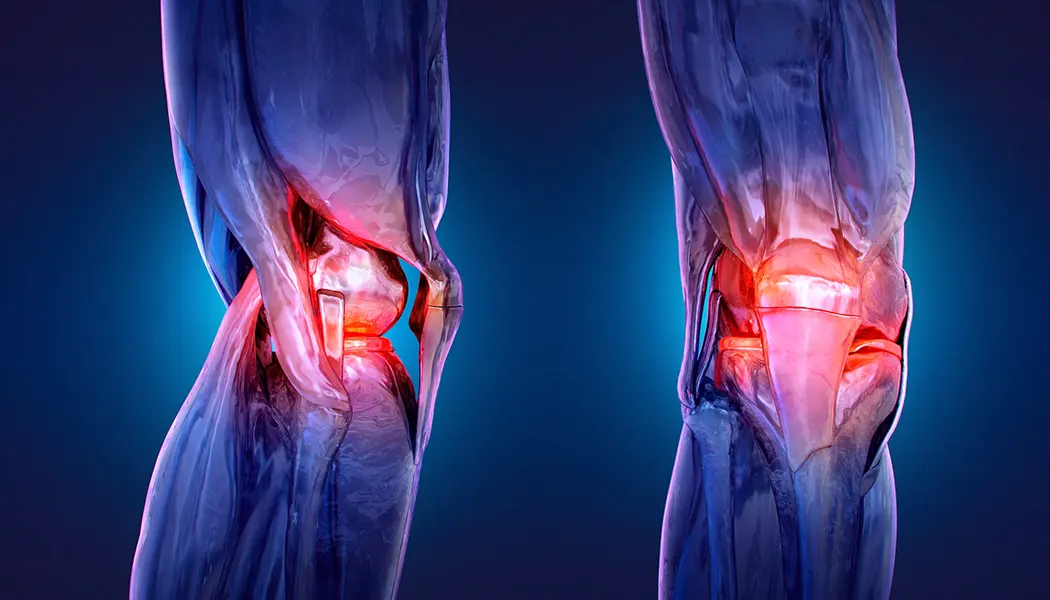
Crepitus is the medical term commonly used to describe cracking, popping, clicking, grinding, or crunching sounds and sensations that may occur when a joint moves. These sounds can happen occasionally or regularly and may be noticed in joints such as the knees, shoulders, neck, fingers, hips, ankles, or spine.
In many cases, joint cracking occurs without pain and may not indicate a serious problem. Sounds can occur due to normal movement of structures around a joint, changes in pressure within joint fluid, or movement of tendons and other soft tissues.
However, if cracking joints are accompanied by pain, swelling, stiffness, weakness, locking, instability, or reduced movement, an assessment may help identify possible underlying causes. The appropriate approach depends on the affected joint, symptoms, injury history, and overall physical condition.
Causes
Gas Bubbles in Joint Fluid: Joints contain fluid that helps support smooth movement. Changes in pressure during movement can sometimes lead to the formation or release of gas bubbles, creating a popping or cracking sound.
Movement of Tendons and Ligaments: Tendons or other soft tissues may move over nearby bones or joint structures during movement, sometimes producing clicking or snapping sounds.
Joint Stiffness: Reduced mobility and stiffness around a joint may affect the way structures move and may contribute to noticeable sounds during movement.
Muscle Tightness: Tight muscles around a joint can affect movement patterns and increase stress on surrounding structures.
Repetitive Movements: Repeated use of a joint during work, sports, or exercise may contribute to movement-related clicking or cracking in some individuals.
Previous Injuries: An old joint, ligament, tendon, or muscle injury may affect normal joint movement and contribute to recurring sounds or discomfort.
Changes in Joint Surfaces: Changes affecting cartilage or other joint structures may sometimes produce grinding or crackling sensations during movement.
Poor Movement Patterns: Altered movement mechanics, muscle weakness, or reduced joint control may contribute to unusual joint sounds.
Age-Related Changes: Changes in joint structures and mobility over time may contribute to increased clicking, cracking, or grinding sounds in some individuals.
Risk Factors
Previous Joint Injuries: A history of injury affecting the joint, ligaments, muscles, or surrounding structures may increase the likelihood of recurring clicking or cracking.
Repetitive Physical Activity: Repeated movements during sports, exercise, or physically demanding work may place ongoing stress on specific joints.
Muscle Weakness: Reduced strength around a joint may affect stability and movement control.
Poor Posture: Poor posture may affect body alignment and movement patterns, potentially placing additional stress on certain joints.
Reduced Physical Activity: Lack of regular movement may contribute to muscle weakness, joint stiffness, and reduced mobility.
High-Impact Activities: Repeated high-impact activities may place additional stress on joints and surrounding tissues.
Sudden Increase in Exercise: Rapidly increasing training intensity or physical activity may overload joints and muscles before the body has time to adapt.
Poor Movement Technique: Incorrect exercise, lifting, or sports techniques may affect joint mechanics and increase stress on surrounding structures.
Increasing Age: Changes in joint mobility and tissues over time may contribute to increased joint sounds in some people.
Preventive Measures
Stay Physically Active: Regular, appropriate physical activity can help maintain muscle strength, joint mobility, and overall movement.
Strengthen Supporting Muscles: Exercises that improve the strength and control of muscles around a joint may support better movement and stability.
Maintain Good Mobility: Regular mobility exercises and appropriate stretching may help maintain comfortable joint movement.
Warm Up Before Exercise: A suitable warm-up can help prepare muscles and joints before sports or intense physical activity.
Increase Activity Gradually: Avoid sudden increases in workout intensity, duration, or training volume. Allow the body time to adapt.
Use Proper Exercise Techniques: Correct movement and exercise techniques may help reduce unnecessary stress on joints.
Maintain Good Posture: Improving posture and body alignment may help reduce avoidable strain on joints and surrounding muscles.
Take Recovery Seriously: Allow adequate recovery between intense workouts and physically demanding activities.
Address Injuries Early: Appropriate assessment and rehabilitation after an injury may help restore movement, strength, and joint function.
When To Seek Medical Help?
Joint cracking without pain is often not a cause for concern. However, professional assessment may be important when cracking or popping sounds occur with other symptoms.
Joint Pain: Cracking accompanied by persistent or significant pain should be assessed.
Swelling: Visible swelling around a joint, especially after an injury or along with pain, may require professional evaluation.
Joint Stiffness: Persistent stiffness or difficulty moving the joint normally should be assessed.
Reduced Range of Motion: Difficulty bending, straightening, lifting, reaching, or otherwise moving a joint through its normal range may need attention.
Joint Locking: If a joint becomes stuck or difficult to move, seek professional assessment.
Feeling of Instability: A feeling that a joint is giving way, slipping, or unable to support normal movement may require evaluation.
After an Injury: New cracking, popping, or grinding sounds following a fall, accident, sports injury, or sudden movement should be assessed.
Increasing Symptoms: Seek advice if joint sounds become more frequent and are accompanied by worsening pain, swelling, or movement difficulties.
Treatment Overview
Treatment for cracking joints depends on the cause and whether the sounds are accompanied by symptoms. If joint cracking occurs without pain, swelling, or movement problems, treatment may not always be necessary.
When symptoms are present, a physiotherapist may assess the affected joint, movement patterns, muscle strength, flexibility, joint mobility, posture, and relevant injury history. This helps identify factors that may be contributing to discomfort or altered joint movement.
Depending on the findings, treatment may focus on improving joint mobility, strengthening supporting muscles, improving movement control, addressing muscle tightness, correcting movement patterns, and supporting a safe return to daily activities or sports.
The treatment plan is personalised according to the affected joint, symptoms, activity level, and individual physical goals.
Physiotherapy Treatments
Detailed Joint Assessment: A physiotherapist assesses the affected joint, associated symptoms, movement patterns, strength, flexibility, and functional limitations to understand possible contributing factors.
Mobility Exercises: Targeted exercises may help improve joint movement and address stiffness where appropriate.
Strengthening Exercises: Strengthening the muscles around the affected joint may help improve support, stability, and movement control.
Stretching Exercises: Appropriate stretches may help address muscle tightness that affects normal joint movement.
Manual Therapy: Hands-on techniques may be used where appropriate to address joint mobility restrictions and musculoskeletal discomfort.
Movement Retraining: A physiotherapist may help identify and correct movement patterns that place unnecessary stress on joints.
Balance and Stability Training: For suitable conditions, exercises may be used to improve joint control, balance, coordination, and movement confidence.
Posture Correction: Improving body alignment and posture may help reduce unnecessary strain on certain joints.
Soft Tissue Techniques: Appropriate techniques may be included to address muscle tightness and surrounding soft tissue restrictions.
Kinesio Taping: For suitable individuals, therapeutic taping may be used as a supportive technique alongside exercises and rehabilitation.
Pain Management Modalities: Depending on the individual’s symptoms and condition, suitable physiotherapy modalities may be considered as part of a broader treatment programme.
Personalised Home Exercise Programme: A customised programme may help improve strength, mobility, flexibility, and joint control between physiotherapy sessions.
Start Your Recovery Journey Today
Don’t let pain, stiffness, or reduced mobility affect your daily life. Get personalised physiotherapy care designed around your condition and recovery goals.