Back Pain
Get personalised physiotherapy support designed around your symptoms, movement needs, and recovery goals.
Contents
Take the First Step Towards Better Movement
Our experienced physiotherapists are here to help you improve mobility, regain strength, and move with greater comfort and confidence.
What Is It?
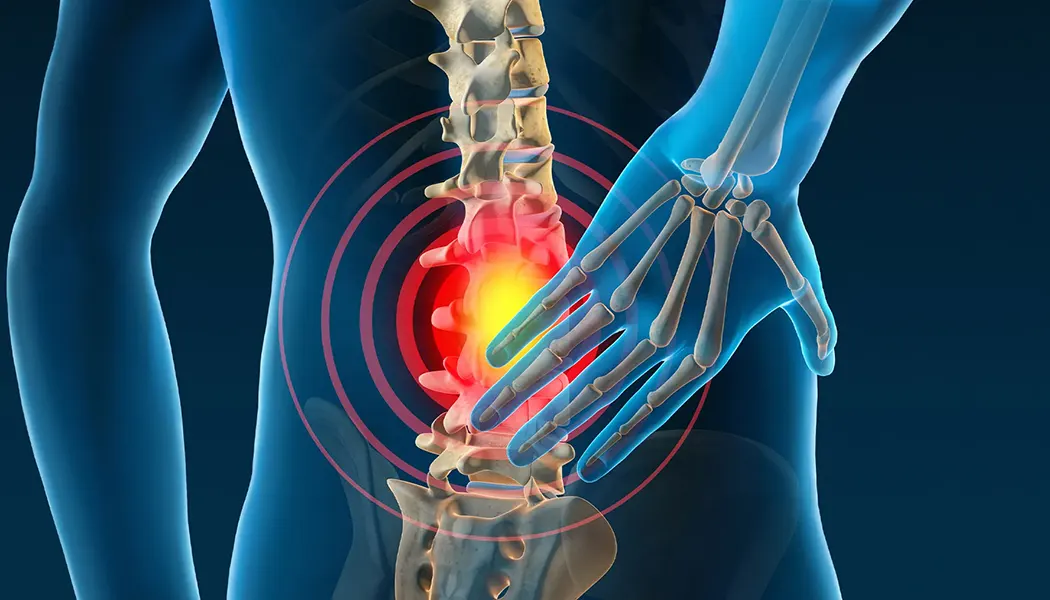
Back pain is one of the most common musculoskeletal concerns and can affect the upper back, middle back, or lower back. It may feel like a dull ache, sharp pain, stiffness, tightness, burning sensation, or discomfort that makes movement difficult.
Back pain can develop suddenly after lifting, twisting, or an injury, or it may gradually develop due to prolonged sitting, poor posture, repetitive movements, muscle weakness, physical strain, or other underlying conditions.
For some people, back pain improves with rest and appropriate movement. However, persistent or recurring pain may affect work, exercise, sleep, and everyday activities. A proper assessment can help identify possible contributing factors and guide an appropriate treatment plan.
Physiotherapy may focus on pain management, improving mobility, strengthening supporting muscles, correcting movement patterns, and helping individuals return to their daily activities with greater comfort and confidence.
Causes
Muscle Strain: Overstretching or overloading the muscles of the back can cause pain, tightness, and difficulty moving. This may happen after lifting heavy objects, sudden movements, or physical overuse.
Poor Posture: Poor sitting, standing, or working posture can place additional stress on the muscles and structures of the back. Over time, this may contribute to stiffness and discomfort.
Prolonged Sitting: Sitting for long periods, especially with poor posture or inadequate support, can contribute to muscle tightness and back discomfort.
Repetitive Movements: Repeated bending, twisting, lifting, or physically demanding movements can place ongoing stress on the back and surrounding muscles.
Muscle Weakness: Weakness in the muscles that support the spine and trunk may affect movement control and contribute to increased strain during everyday activities.
Lifting Injuries: Incorrect lifting techniques or attempting to lift excessive weight can place sudden stress on the back and lead to pain or injury.
Sports and Physical Activity: Exercise, sports, or intense physical activity may sometimes lead to muscle strains or movement-related back discomfort.
Reduced Mobility: Stiffness in the spine, hips, or surrounding muscles may affect normal movement patterns and contribute to back discomfort.
Previous Injuries: An old injury may continue to affect movement, strength, or mobility and may contribute to recurring back pain.
Underlying Medical Conditions: In some cases, back pain may be associated with conditions affecting the spine, joints, nerves, or other body systems and may require medical assessment.
Risk Factors
Sedentary Lifestyle: Low levels of physical activity and prolonged sitting may contribute to reduced muscle strength, stiffness, and movement-related back discomfort.
Poor Workplace Ergonomics: An unsuitable chair, desk setup, screen position, or prolonged working posture may increase stress on the back.
Heavy Physical Work: Jobs involving frequent lifting, bending, carrying, pushing, or pulling may place additional strain on the back.
Poor Lifting Technique: Incorrect lifting or twisting while carrying weight can increase the risk of back strain and injury.
Lack of Exercise: Reduced physical activity may affect muscle strength, flexibility, and the body’s ability to support everyday movement.
Sudden Increase in Activity: Rapidly increasing exercise intensity, physical workload, or activity levels may place additional stress on the muscles and back.
Previous Back Problems: A history of back pain or injury may increase the likelihood of recurring symptoms.
Stress and Muscle Tension: Stress can contribute to increased muscle tension and may affect the way some individuals experience pain and discomfort.
Increasing Age: Changes in physical activity, mobility, and the musculoskeletal system over time may contribute to back-related symptoms.
Preventive Measures
Stay Physically Active: Regular physical activity can help maintain muscle strength, flexibility, mobility, and overall physical function.
Maintain Good Posture: Pay attention to your posture while sitting, standing, working, and using digital devices. Avoid remaining in uncomfortable positions for extended periods.
Take Regular Movement Breaks: If your work involves long periods of sitting, stand up and move regularly to avoid prolonged static positions.
Strengthen Supporting Muscles: Appropriate exercises may help improve the strength and control of muscles that support the back and trunk.
Use Proper Lifting Techniques: Bend appropriately, keep loads close to your body, and avoid unnecessary twisting while lifting or carrying objects.
Increase Activity Gradually: Avoid sudden increases in exercise intensity or physical workload. Allow your body time to adapt.
Warm Up Before Exercise: Prepare your body before intense exercise or sports activities with an appropriate warm-up.
Maintain a Suitable Work Setup: Ensure your chair, desk, and screen are positioned to support a comfortable working posture.
Manage Repetitive Movements: Take breaks and vary your movements when performing repetitive physical activities.
Seek Early Assessment: Persistent or recurring back pain should be properly assessed to identify contributing factors and prevent ongoing movement difficulties.
When To Seek Medical Help?
Many cases of back pain can improve with appropriate care and movement. However, some symptoms may require prompt medical assessment.
Persistent or Worsening Pain: Seek professional advice if back pain continues, repeatedly returns, or becomes progressively worse.
Severe Pain: Significant pain that affects your ability to move, work, sleep, or perform everyday activities should be assessed.
Pain After an Injury: Back pain following a fall, accident, major impact, or other significant trauma may require medical evaluation.
Numbness or Tingling: Back pain accompanied by numbness, tingling, or unusual sensations in the legs or other areas should be assessed.
Significant Weakness: New or increasing weakness in the legs or difficulty controlling normal movement requires prompt medical attention.
Difficulty Walking: Seek professional advice if back pain significantly affects your balance, walking, or ability to move.
Changes in Bladder or Bowel Control: Seek urgent medical attention if back pain is associated with new problems controlling bladder or bowel function.
Fever or Feeling Unwell: Back pain occurring with fever, unexplained illness, or other concerning symptoms should be medically evaluated.
Treatment Overview
Treatment for back pain depends on the possible cause, location of pain, severity of symptoms, movement limitations, and individual physical condition.
A physiotherapist may begin with a detailed assessment of your symptoms, posture, spinal movement, muscle strength, flexibility, daily activities, and movement patterns. This helps identify possible factors contributing to your pain and guides the treatment plan.
Depending on your condition, treatment may include pain management techniques, manual therapy, mobility exercises, stretching, strengthening, posture correction, movement training, and a personalised home exercise programme.
The goal is not simply to manage temporary discomfort but to address relevant movement limitations, muscle weakness, stiffness, and other contributing factors while helping you return to everyday activities more comfortably.
Physiotherapy Treatments
Manual Therapy: Hands-on physiotherapy techniques may be used where appropriate to address movement restrictions, joint stiffness, and musculoskeletal discomfort.
Mobility Exercises: Targeted exercises may help improve spinal and surrounding joint mobility where appropriate.
Stretching Exercises: Specific stretches may be recommended to address tight muscles and improve flexibility.
Strengthening Exercises: Exercises may help improve the strength and control of muscles that support the back, trunk, and surrounding areas.
Posture Correction: A physiotherapist can assess your posture and provide guidance to improve sitting, standing, and working positions.
Core Stability Training: Suitable exercises may be used to improve trunk muscle strength, control, and stability during movement.
IFT Therapy: Interferential Therapy may be included as part of a physiotherapy programme for suitable individuals experiencing back pain and muscle-related discomfort.
Ultrasound Therapy: Therapeutic Ultrasound may be considered as part of rehabilitation for suitable soft tissue and musculoskeletal conditions.
Laser Therapy: Laser Therapy may be included in an individualised physiotherapy treatment plan for suitable pain and soft tissue-related concerns.
Dry Needling Therapy: For suitable individuals, Dry Needling may be considered by an appropriately trained professional to address selected areas of muscle tension and trigger points.
Cupping Therapy: Cupping Therapy may be used as a supportive approach for suitable individuals experiencing muscle tightness and movement-related discomfort.
Heat Therapy: Suitable heat-based therapy may help improve comfort and prepare muscles for movement and physiotherapy exercises.
Ergonomic Guidance: Advice regarding your workstation, sitting position, lifting habits, and daily movement patterns may help reduce unnecessary stress on the back.
Personalised Home Exercise Programme: A customised exercise plan may help you continue improving mobility, strength, flexibility, and movement between physiotherapy sessions.
Start Your Recovery Journey Today
Don’t let pain, stiffness, or reduced mobility affect your daily life. Get personalised physiotherapy care designed around your condition and recovery goals.