Workplace Ergonomics
Professional Workplace Ergonomics to Reduce Physical Strain & Support a Healthier Workday
Take the First Step Towards Better Movement
Our experienced physiotherapists are here to help you improve mobility, regain strength, and move with greater comfort and confidence.
Poor desk setup, prolonged sitting, repetitive movements, awkward postures, and improper lifting techniques can contribute to neck pain, back pain, shoulder discomfort, wrist strain, and reduced physical comfort. At Pure Physio, our workplace ergonomics approach helps identify physical risk factors and provides practical recommendations to support better posture, movement, comfort, and workplace wellbeing.
What Is It?
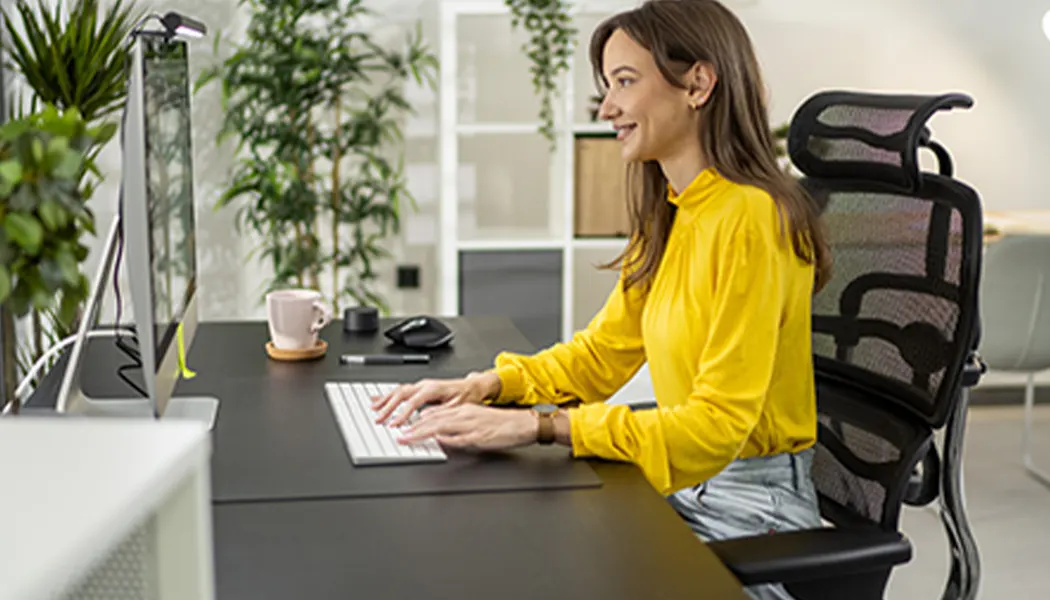
A Better Way to Work: Workplace Ergonomics is the practice of adapting the work environment and work methods to better suit the physical needs of the individual. This may include reviewing chair height, desk setup, monitor position, keyboard placement, seating posture, and movement habits.
Focus on Posture and Movement: Ergonomics looks beyond simply “sitting straight.” It focuses on reducing unnecessary physical strain by encouraging suitable working positions, regular movement, and practical adjustments to the workstation.
Workstation Assessment: A physiotherapist or ergonomics professional may assess how you sit, stand, reach, type, lift, or perform repetitive work tasks to identify habits or setups that may contribute to discomfort.
Practical Workplace Solutions: Recommendations may include adjustments to your chair, desk, monitor, keyboard, mouse, foot support, work positioning, lifting technique, and daily movement routine.
Prevention and Physical Wellbeing: Workplace Ergonomics aims to help reduce avoidable physical strain and support better comfort, movement, and productivity during daily work activities.
How Does It Work?
Understanding Your Work Routine: The process begins by reviewing your typical workday, including how long you sit or stand, the tasks you perform, repetitive movements, equipment used, and areas where you experience discomfort.
Posture Assessment: Your usual sitting, standing, reaching, typing, lifting, and working positions may be assessed to identify potential areas of unnecessary strain.
Workstation Evaluation: The chair, desk, monitor, keyboard, mouse, laptop, and other relevant equipment may be reviewed to assess whether the setup supports a more comfortable working position.
Movement and Physical Assessment: Where appropriate, mobility, muscle strength, flexibility, and movement habits may also be considered, especially when existing pain or stiffness is affecting work.
Personalised Recommendations: Based on the assessment, practical recommendations are provided for adjusting your workstation, posture, equipment placement, and daily movement habits.
Exercise and Movement Guidance: Simple stretches, mobility exercises, strengthening exercises, and movement breaks may be recommended to help manage stiffness and support physical wellbeing.
Follow-Up and Adjustments: Recommendations can be reviewed over time and adjusted according to changes in symptoms, work demands, or the working environment.
What Are The Various Types Of
Office Workstation Ergonomics: Focuses on improving the setup of desks, chairs, monitors, keyboards, mice, laptops, and other office equipment to support better comfort during desk-based work.
Computer and Laptop Ergonomics: Reviews screen height, keyboard position, mouse placement, seating, and working posture to help reduce unnecessary strain during prolonged computer use.
Seated Work Ergonomics: Focuses on chair support, sitting position, desk height, foot placement, and regular movement to improve comfort during long periods of sitting.
Standing Work Ergonomics: Designed for individuals who work while standing for long periods. Recommendations may focus on work surface height, posture variation, footwear considerations, and suitable movement breaks.
Manual Handling Ergonomics: Provides guidance on safer lifting, carrying, pushing, pulling, and handling techniques to help reduce unnecessary strain during physically demanding tasks.
Repetitive Task Ergonomics: Reviews repeated movements such as typing, assembly work, packing, reaching, or operating equipment to identify ways of improving movement efficiency and reducing physical stress.
Industrial and Workplace Ergonomics: Considers workstations, machinery, tools, task demands, and physical movements in industrial or physically demanding work environments.
Remote and Home Office Ergonomics: Helps individuals create a more comfortable and practical workstation when working from home or using laptops and computers for extended periods.
What Are The Conditions Treated?
Neck Pain: Prolonged screen use, poor monitor positioning, awkward posture, and sustained work positions may contribute to neck discomfort and stiffness.
Back Pain: Long periods of sitting, poor workstation setup, repetitive movements, and unsuitable lifting techniques may contribute to back pain and physical strain.
Shoulder Pain: Reaching, repetitive tasks, poor arm support, or an unsuitable desk setup may place additional stress on the shoulders.
Wrist and Hand Discomfort: Repetitive typing, mouse use, awkward wrist positioning, and repetitive hand movements may contribute to discomfort and strain.
Muscle Tension and Stiffness: Remaining in the same position for long periods can contribute to muscle tightness, stiffness, and reduced comfort.
Postural Discomfort: Sustained or awkward work positions may contribute to discomfort in the neck, shoulders, upper back, and lower back.
Repetitive Strain Problems: Repeated movements performed over time may contribute to overuse-related discomfort affecting muscles, tendons, and other soft tissues.
Work-Related Musculoskeletal Problems: Physical demands, repetitive tasks, prolonged positions, and manual work can contribute to musculoskeletal symptoms that may benefit from assessment and rehabilitation.
Who Can Benefit?
Office Employees: People who spend long hours working at a desk or computer may benefit from a workstation assessment and practical ergonomic recommendations.
Remote Workers: Individuals working from home may benefit from guidance on setting up a comfortable and supportive home workstation.
Computer Professionals: Designers, developers, writers, marketers, customer support teams, and other professionals who use screens for extended periods may benefit from improved workstation ergonomics.
Industrial Workers: Employees performing lifting, carrying, repetitive movements, or physically demanding tasks may benefit from ergonomic guidance and safer movement strategies.
Healthcare Professionals: Jobs involving prolonged standing, repetitive movements, patient handling, or awkward positions may benefit from workplace ergonomics support.
Retail and Hospitality Workers: People who spend long periods standing, walking, lifting, or performing repetitive tasks may benefit from strategies to improve comfort and reduce physical strain.
Employers and Organisations: Businesses can use Workplace Ergonomics programmes to support employee wellbeing, improve workplace comfort, and educate teams about healthier movement and work habits.
Anyone Experiencing Work-Related Discomfort: If your work regularly causes neck pain, back pain, stiffness, muscle tension, or discomfort, an ergonomic assessment may help identify potential contributing factors.
Why Choose Pure Physio?
Personalised Ergonomic Assessment: At Pure Physio, we assess your individual work routine, physical needs, movement habits, workstation, and areas of discomfort before providing recommendations.
Practical and Easy-to-Apply Solutions: Our recommendations focus on realistic changes that can be implemented in your existing workspace whenever possible.
Focus on the Whole Workday: We look beyond your chair and desk setup to consider posture, repetitive movements, physical demands, work habits, and the importance of regular movement.
Physiotherapy-Based Expertise: Our understanding of posture, movement, musculoskeletal health, and physical rehabilitation helps us identify factors that may contribute to work-related discomfort.
Suitable for Different Work Environments: Whether you work in an office, from home, in a healthcare setting, retail environment, or physically demanding workplace, recommendations can be adapted to your work requirements.
Education and Movement Guidance: Along with workstation recommendations, we provide guidance on posture variation, movement breaks, stretching, mobility, and suitable exercises.
Support for Long-Term Workplace Wellbeing: Our goal is to help individuals and organisations create healthier working habits that support better comfort, movement, and physical wellbeing over the long term.
Start Your Recovery Journey Today
Don’t let pain, stiffness, or reduced mobility affect your daily life. Get personalised physiotherapy care designed around your condition and recovery goals.