Women’s Health Physiotherapy
Specialised Women's Health Physiotherapy for Pelvic Health, Pregnancy, Recovery & Better Movement
Take the First Step Towards Better Movement
Our experienced physiotherapists are here to help you improve mobility, regain strength, and move with greater comfort and confidence.
Treatment is personalised and may include education, exercise therapy, pelvic floor rehabilitation, breathing techniques, posture guidance, and hands-on physiotherapy where appropriate. At Pure Physio, we provide a supportive and individualised approach based on your symptoms, physical needs, medical history, and personal goals.
What Is It?
Specialised Physiotherapy for Women’s Health: Women’s Health Physiotherapy focuses on physical conditions that may affect women at different stages of life. It can address concerns involving the pelvic floor, pregnancy-related changes, postnatal recovery, abdominal and core function, bladder or bowel control, and musculoskeletal pain.
Pelvic Floor Rehabilitation: The pelvic floor is a group of muscles and connective tissues that supports the bladder, bowel, and other pelvic organs. Specialised physiotherapy may help assess pelvic floor function and provide appropriate exercises and rehabilitation.
Pregnancy and Postnatal Support: Pregnancy and childbirth can place physical demands on the body and may contribute to back pain, pelvic discomfort, changes in posture, abdominal muscle changes, and reduced pelvic floor function. Physiotherapy can provide appropriate movement, exercise, and recovery guidance.
Individualised and Confidential Care: Every woman’s experience is different. Assessment and treatment are planned according to your symptoms, medical history, lifestyle, physical condition, and recovery goals, with appropriate professional sensitivity and privacy.
Focus on Strength, Function and Confidence: The aim is to help suitable patients improve physical comfort, mobility, strength, pelvic floor function, and confidence in everyday activities.
How Does It Work?
Detailed Initial Assessment: The physiotherapist begins by discussing your symptoms, medical history, pregnancy or childbirth history where relevant, physical activity, daily challenges, and treatment goals.
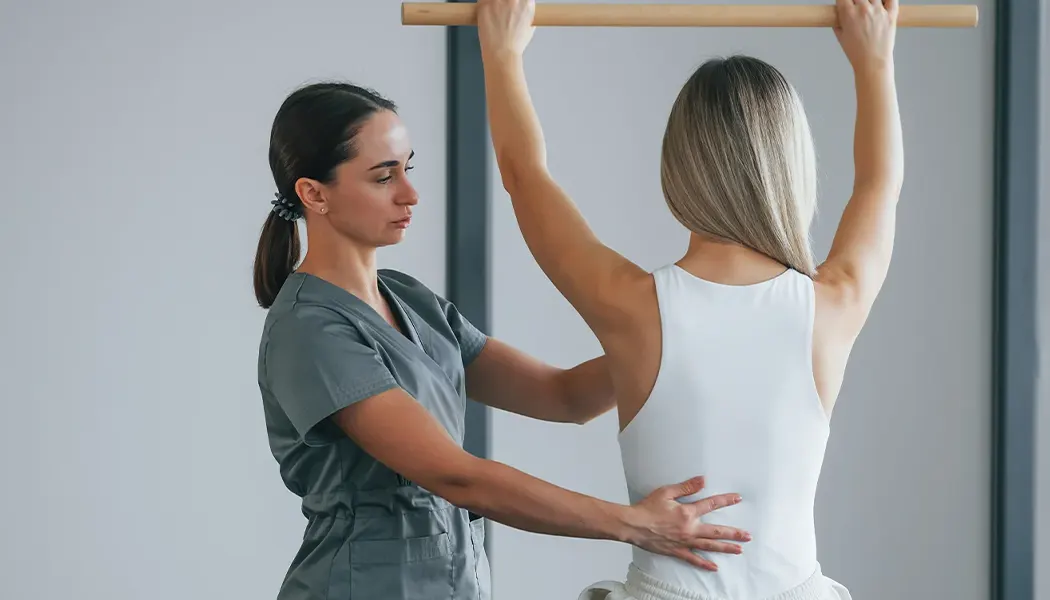
Physical and Movement Assessment: Depending on your symptoms and with your informed consent, assessment may include posture, breathing patterns, abdominal and core function, movement, muscle strength, and pelvic floor function where clinically appropriate.
Identifying Contributing Factors: Symptoms may be influenced by factors such as muscle weakness, changes during pregnancy, childbirth, posture, breathing patterns, activity levels, or other physical conditions. The assessment helps guide an individualised treatment approach.
Personalised Treatment Plan: A programme is developed based on your condition and goals. Treatment may include pelvic floor exercises, core rehabilitation, mobility work, strengthening, breathing techniques, posture guidance, and appropriate manual therapy.
Education and Self-Management: You may receive guidance on movement, exercise, bladder and bowel habits, posture, lifting, activity modification, and other self-management strategies relevant to your condition.
Progressive Rehabilitation: Your treatment plan can be progressed gradually according to your symptoms, comfort, recovery, and physical capacity.
Ongoing Support: Your progress is monitored, and the rehabilitation programme is adjusted according to your changing needs and goals.
What Are The Various Types Of
Pelvic Floor Physiotherapy: Focuses on assessing and improving the strength, coordination, relaxation, and function of the pelvic floor muscles where appropriate.
Pregnancy Physiotherapy: Provides support for suitable pregnancy-related musculoskeletal concerns, including back discomfort, pelvic girdle pain, posture changes, reduced mobility, and preparation for physical activity.
Postnatal Physiotherapy: Supports recovery after childbirth and may address physical changes affecting the pelvic floor, abdominal and core function, posture, strength, and overall movement.
Bladder Control Rehabilitation: Suitable patients experiencing urinary leakage, urgency, or other bladder control concerns may benefit from specialised assessment and pelvic floor rehabilitation.
Pelvic Pain Physiotherapy: Certain types of pelvic, hip, lower back, or surrounding musculoskeletal pain may benefit from a detailed physiotherapy assessment and individualised treatment plan.
Core and Abdominal Rehabilitation: Physiotherapy may help assess and guide recovery of abdominal and core function following pregnancy or other physical changes.
Menopause Physiotherapy: Changes in muscle strength, bone health, joint comfort, and pelvic floor function may occur during and after menopause. Appropriate exercise and rehabilitation can support physical wellbeing.
Pre and Post-Surgical Rehabilitation: Suitable women recovering from certain pelvic, abdominal, or other surgeries may benefit from progressive physiotherapy following medical advice and clearance.
What Are The Conditions Treated?
Pelvic Floor Weakness: Reduced pelvic floor muscle strength or coordination may affect bladder control, support, and physical confidence.
Urinary Leakage: Leakage during coughing, sneezing, laughing, running, jumping, or other activities may benefit from a specialised pelvic health assessment.
Pregnancy-Related Back Pain: Physical changes during pregnancy can contribute to lower back discomfort, posture changes, and movement limitations.
Pelvic Girdle Pain: Pain around the pelvis, hips, lower back, or pubic area during pregnancy or other stages of life may require an appropriate assessment.
Postnatal Recovery: After childbirth, some women experience weakness, discomfort, changes in core function, or reduced confidence with physical activity. Physiotherapy can support appropriate rehabilitation.
Abdominal Muscle Changes: Changes in abdominal muscle function following pregnancy may benefit from professional assessment and a personalised core rehabilitation programme.
Pelvic Pain: Persistent pelvic pain can have different causes. Physiotherapy may be part of a multidisciplinary treatment approach after appropriate medical assessment.
Menopause-Related Physical Changes: Joint stiffness, reduced muscle strength, changes in balance, and pelvic floor concerns may be supported through appropriate exercise and physiotherapy.
Who Can Benefit?
Pregnant Women: Suitable women experiencing pregnancy-related back pain, pelvic discomfort, posture changes, or movement limitations may benefit from physiotherapy support.
Women After Childbirth: Postnatal physiotherapy may help suitable women gradually restore pelvic floor, core, strength, mobility, and physical confidence.
Women with Bladder Control Concerns: Individuals experiencing urinary leakage, urgency, or reduced bladder control may benefit from specialised pelvic floor assessment and rehabilitation.
Women with Pelvic Floor Concerns: Those experiencing symptoms related to pelvic floor weakness, poor coordination, or reduced physical confidence may benefit from personalised physiotherapy.
Women with Pelvic or Lower Back Pain: Appropriate physiotherapy may help address musculoskeletal factors contributing to pelvic, hip, or lower back discomfort.
Women During Menopause: Women experiencing changes in strength, mobility, balance, joint comfort, or pelvic health may benefit from a personalised exercise and rehabilitation programme.
Women Recovering from Surgery: Following appropriate medical advice, women recovering from suitable pelvic, abdominal, or other surgeries may benefit from progressive physiotherapy rehabilitation.
Women Seeking Better Physical Confidence: Women’s Health Physiotherapy can support individuals who want to improve strength, movement, pelvic health awareness, and confidence during exercise and everyday activities.
Why Choose Pure Physio?
Specialised and Personalised Care: At Pure Physio, we understand that women’s health concerns can be highly individual. Your assessment and treatment plan are tailored according to your symptoms, health needs, and personal goals.
Respectful and Supportive Approach: We provide a professional, comfortable, and respectful environment where you can discuss your concerns with appropriate privacy and sensitivity.
Focus on the Whole Body: Our approach considers pelvic health alongside posture, breathing, core function, mobility, strength, and everyday movement.
Individualised Rehabilitation Plans: Exercises and treatment techniques are selected according to your physical condition, recovery stage, lifestyle, and individual goals.
Support Through Different Life Stages: From pregnancy and postnatal recovery to menopause and pelvic health concerns, physiotherapy can be adapted to your changing physical needs.
Education and Long-Term Guidance: We help you understand your body, movement patterns, and rehabilitation needs while providing practical strategies to support long-term physical wellbeing.
Focus on Strength and Confidence: Our goal is to help suitable patients improve comfort, movement, physical function, pelvic floor health, and confidence in everyday life.
Start Your Recovery Journey Today
Don’t let pain, stiffness, or reduced mobility affect your daily life. Get personalised physiotherapy care designed around your condition and recovery goals.