Vestibular Rehabilitation
Specialised Vestibular Rehabilitation for Dizziness, Vertigo, Better Balance & Safer Movement
Take the First Step Towards Better Movement
Our experienced physiotherapists are here to help you improve mobility, regain strength, and move with greater comfort and confidence.
The vestibular system plays an important role in helping the body maintain balance and understand head and body movement. When this system is affected, it may lead to dizziness, unsteadiness, blurred vision during movement, nausea, or difficulty walking confidently. At Pure Physio, Vestibular Rehabilitation uses a personalised programme of assessment, balance training, gaze stabilisation, movement exercises, and other appropriate techniques to help suitable patients improve stability and confidence.
What Is It?
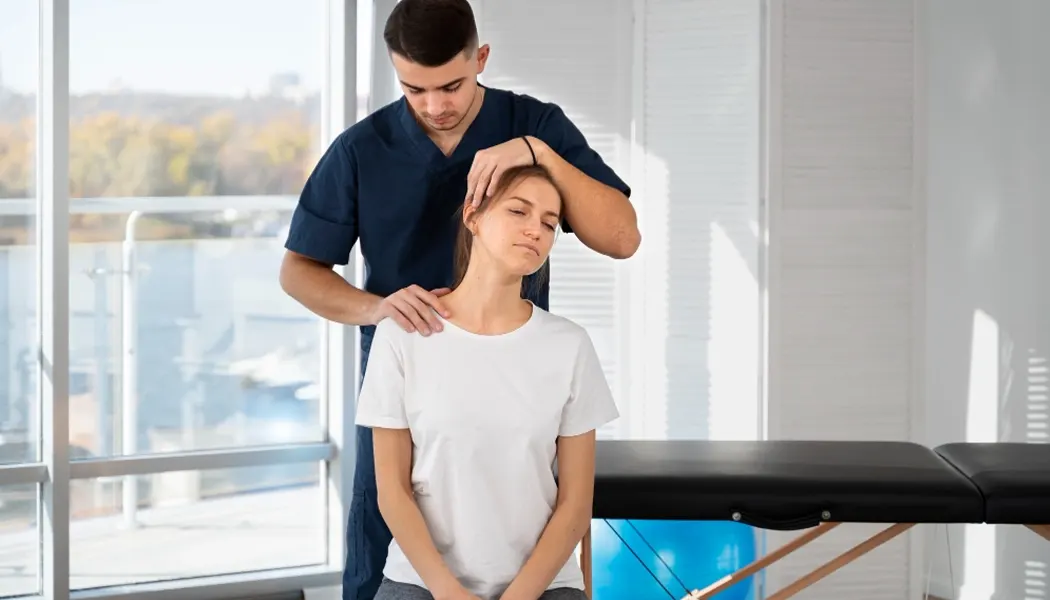
Specialised Therapy for Dizziness and Balance: Vestibular Rehabilitation is an exercise-based physiotherapy approach that helps the brain and body adapt to certain changes or problems affecting the vestibular system.
Understanding the Vestibular System: The vestibular system includes structures in the inner ear and related connections within the nervous system. It helps the brain process information about head movement, body position, and balance.
Personalised Balance Rehabilitation: Vestibular symptoms can vary from person to person. Treatment is designed according to the suspected cause, symptom pattern, triggers, physical findings, and individual functional limitations.
Brain and Body Adaptation: Specific exercises may help encourage adaptation, improve the ability to stabilise vision during head movement, and gradually increase tolerance to movements that trigger symptoms.
Focus on Safe Everyday Movement: The goal is to help suitable patients improve balance, walking confidence, stability, and their ability to perform everyday activities more comfortably and safely.
How Does It Work?
Detailed Symptom Assessment: The physiotherapist begins by understanding your dizziness, vertigo, balance problems, symptom triggers, medical history, previous falls, and the effect of symptoms on daily activities.
Movement and Balance Evaluation: Assessment may include observing balance, walking, posture, eye and head movements, coordination, and how symptoms respond to certain movements or positions.
Identifying Movement Triggers: Certain movements, head positions, visual environments, or changes in body position may trigger symptoms. Identifying these triggers helps guide the rehabilitation programme.
Personalised Exercise Programme: Based on the assessment, appropriate exercises may be prescribed to support balance, gaze stability, movement tolerance, and functional mobility.
Gradual Symptom Exposure: Some exercises may carefully and gradually expose the vestibular system to movements that trigger symptoms to encourage adaptation and improve tolerance where clinically appropriate.
Balance and Walking Training: Treatment may include standing balance exercises, walking exercises, turning, changing direction, and other functional activities based on individual needs.
Progress Monitoring: Your symptoms, balance, movement confidence, and physical function are monitored, and exercises are progressed according to your response and recovery.
What Are The Various Types Of
Gaze Stabilisation Exercises: These exercises focus on improving the ability to keep vision stable while moving the head. They may be helpful for suitable patients experiencing blurred or unstable vision during movement.
Habituation Exercises: Carefully selected repeated movements may help some patients gradually improve tolerance to movements that trigger dizziness or motion-related symptoms.
Balance Training: Exercises may challenge standing stability and balance in a controlled manner to help improve coordination and confidence.
Gait and Walking Rehabilitation: Treatment may focus on improving walking stability, turning, changing direction, and moving safely through different environments.
Positional Rehabilitation: Certain vestibular conditions may cause symptoms when changing head or body position. Specific assessment and repositioning techniques may be considered when clinically appropriate.
Visual and Motion Sensitivity Training: Some patients experience dizziness in visually busy environments or during motion. Carefully graded exercises may help improve tolerance where appropriate.
Functional Movement Training: Rehabilitation may include practising everyday movements such as getting out of bed, bending, reaching, turning, walking, and using stairs.
What Are The Conditions Treated?
Benign Paroxysmal Positional Vertigo (BPPV): BPPV can cause brief episodes of vertigo triggered by certain changes in head position. Appropriate assessment and repositioning techniques may help suitable patients.
Vestibular Hypofunction: Reduced vestibular function may contribute to dizziness, imbalance, visual disturbance during movement, and difficulty walking confidently.
Persistent Dizziness: Some people experience ongoing dizziness that affects work, movement, exercise, or daily activities. A detailed assessment can help determine whether vestibular rehabilitation is appropriate.
Balance Problems: Difficulty standing, walking, turning, or maintaining stability may be associated with vestibular, neurological, musculoskeletal, or other causes and requires appropriate assessment.
Motion Sensitivity: Feeling dizzy, nauseous, or uncomfortable during certain movements, travel, or visually busy environments may benefit from assessment and appropriately graded rehabilitation.
Post-Viral Vestibular Symptoms: Some vestibular symptoms may develop after certain viral illnesses. Appropriate medical assessment is important, and rehabilitation may be considered for suitable patients.
Dizziness Following Certain Neurological or Medical Conditions: Vestibular Rehabilitation may be part of a broader rehabilitation programme for suitable patients after appropriate diagnosis and medical assessment.
Who Can Benefit?
People Experiencing Vertigo: Individuals experiencing spinning sensations, particularly when changing head or body position, may benefit from an appropriate vestibular assessment.
People with Persistent Dizziness: Those who frequently feel dizzy, lightheaded, or unsteady during movement may benefit from professional evaluation to determine the underlying cause.
People with Balance Problems: Individuals who feel unstable while standing, walking, turning, or moving through busy environments may benefit from personalised balance rehabilitation.
People Who Have Experienced Falls: Repeated falls or fear of falling may be associated with balance problems. A detailed assessment can help identify contributing physical factors.
People with Motion Sensitivity: Those who experience dizziness or nausea during travel, rapid movement, scrolling, or visually complex environments may benefit from appropriate assessment and rehabilitation.
Older Adults with Reduced Balance Confidence: Age-related changes can affect balance, but dizziness and falls should not simply be assumed to be a normal part of ageing. Appropriate assessment can help identify possible contributing factors.
People Recovering from Certain Vestibular Conditions: Individuals diagnosed with a suitable inner-ear or vestibular condition may benefit from a personalised rehabilitation programme.
People Struggling with Everyday Movement: Difficulty getting out of bed, turning quickly, bending, walking, using stairs, or moving confidently may be addressed through appropriate rehabilitation.
Why Choose Pure Physio?
Detailed Individual Assessment: At Pure Physio, we carefully assess your symptoms, movement triggers, balance, walking ability, and functional limitations before planning rehabilitation.
Personalised Treatment Approach: Vestibular symptoms vary widely. Your programme is tailored according to your individual symptoms, assessment findings, tolerance, and recovery goals.
Exercise-Based Rehabilitation: Treatment may include carefully selected gaze stabilisation, habituation, balance, walking, and functional movement exercises.
Gradual and Controlled Progression: Exercises are progressed according to your symptoms and physical response to help improve movement tolerance and confidence safely.
Focus on Everyday Function: Our rehabilitation focuses on practical goals, helping suitable patients work towards greater confidence while walking, turning, moving, travelling, and performing daily activities.
Comprehensive Physiotherapy Support: We consider other factors that may affect balance and mobility, including strength, joint movement, posture, and physical conditioning.
Appropriate Referral When Needed: Dizziness can have many causes. We encourage appropriate medical evaluation when symptoms suggest that further assessment or specialist care is required.
Start Your Recovery Journey Today
Don’t let pain, stiffness, or reduced mobility affect your daily life. Get personalised physiotherapy care designed around your condition and recovery goals.