Strength Training
Personalised Strength Training to Build a Stronger Body, Better Movement & Greater Physical Confidence
Take the First Step Towards Better Movement
Our experienced physiotherapists are here to help you improve mobility, regain strength, and move with greater comfort and confidence.
It uses carefully selected exercises and progressive resistance based on your current fitness level, physical condition, injury history, and personal goals. At Pure Physio, strength training programmes are personalised to help suitable individuals build strength safely, improve movement quality, support rehabilitation, and perform everyday activities, exercise, or sports with greater confidence.
What Is It?
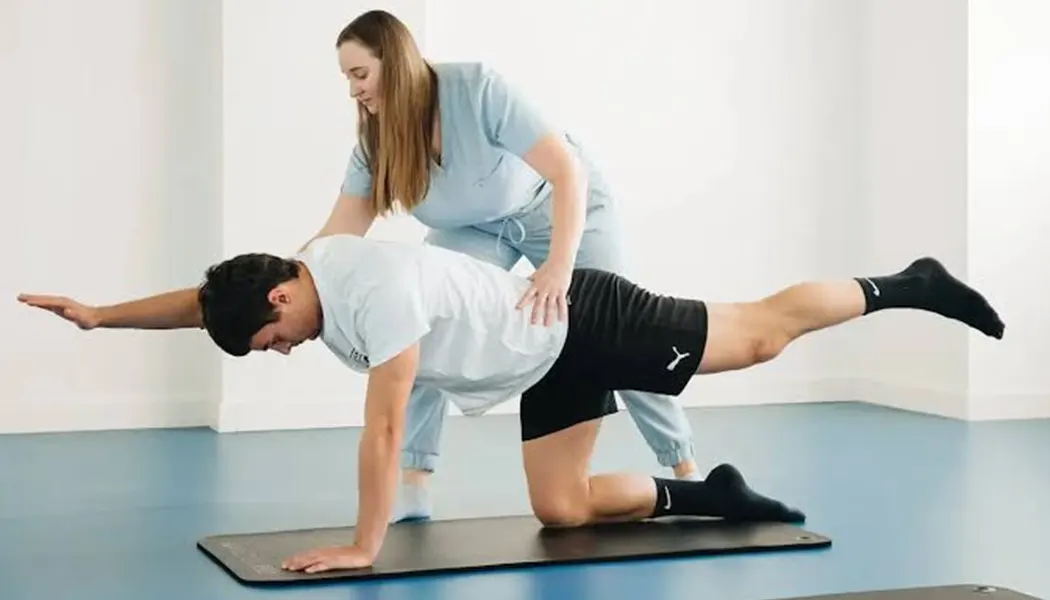
Structured Exercise for Building Strength: Strength Training involves performing specific exercises against resistance to challenge the muscles and gradually improve their ability to produce force. Resistance may come from body weight, resistance bands, free weights, machines, or other appropriate equipment.
More Than Just Lifting Weights: A well-designed strength training programme focuses not only on building muscle but also on improving movement control, joint stability, balance, physical endurance, and functional capacity.
Progressive and Personalised Training: Exercises, resistance levels, repetitions, and training progression are selected according to the individual’s starting ability, goals, physical condition, and response to training.
Supports Everyday Movement: Stronger muscles can support everyday activities such as walking, climbing stairs, lifting, carrying, standing, and performing physically demanding tasks.
Part of Rehabilitation and Physical Performance: Strength Training may be used as part of physiotherapy and rehabilitation to help suitable patients rebuild strength after injury or inactivity. It can also support sports performance and general physical fitness.
How Does It Work?
Initial Physical Assessment: The process begins by understanding your current physical condition, activity level, previous injuries, movement limitations, strength levels, and personal training goals.
Movement Screening: Basic movement patterns, mobility, stability, posture, balance, and exercise technique may be assessed to identify areas requiring attention before progressing with resistance training.
Goal-Based Programme Design: Your strength training programme is developed according to your goals. These may include improving general strength, supporting rehabilitation, building physical capacity, improving sports performance, or becoming more confident with everyday activities.
Exercise Selection: Appropriate exercises are selected to train specific muscle groups and movement patterns. The programme may include bodyweight exercises, resistance bands, machines, free weights, or other suitable training methods.
Correct Technique and Guidance: Proper exercise technique is important for effective training and reducing unnecessary strain. Exercises are demonstrated and monitored, with adjustments made according to your physical ability.
Progressive Resistance: As your strength and exercise tolerance improve, resistance, repetitions, complexity, or training volume may be gradually adjusted to provide an appropriate ongoing challenge.
Recovery and Progress Monitoring: Your response to training, exercise technique, strength progress, and recovery are reviewed regularly, allowing the programme to be adapted to your changing needs.
What Are The Various Types Of
Bodyweight Training: Uses your own body weight as resistance through exercises such as squats, lunges, bridges, push movements, and other functional exercises.
Resistance Band Training: Elastic resistance bands provide adjustable resistance and may be useful for mobility, strengthening, rehabilitation, and progressive exercise.
Free Weight Training: Dumbbells, barbells, kettlebells, or other free weights may be used to develop strength, stability, coordination, and functional movement.
Machine-Based Strength Training: Exercise machines can provide controlled resistance and may be suitable for targeted strengthening and progressive training.
Functional Strength Training: Focuses on improving strength for practical movements used during everyday activities, work, exercise, and sports.
Rehabilitation Strength Training: A structured strengthening programme may help suitable patients gradually rebuild muscle strength and physical capacity following injury, surgery, or periods of reduced activity.
Sports Strength and Conditioning: Training may focus on physical qualities required for specific sports, including strength, power, stability, movement control, and muscular endurance.
Core and Stability Training: Exercises focus on improving strength and control around the trunk and other stabilising muscles to support movement and physical function.
What Are The Conditions Treated?
Muscle Weakness: Strength Training may help suitable individuals gradually improve muscle strength following inactivity, reduced physical activity, or appropriate stages of rehabilitation.
Post-Injury Recovery: Following appropriate assessment and medical guidance, progressive strengthening may support recovery from suitable muscle, ligament, joint, or soft tissue injuries.
Post-Surgical Rehabilitation: After appropriate medical clearance, a structured strength programme may help patients gradually rebuild muscle strength and physical function.
Joint Instability: Weakness around certain joints may affect stability and movement control. Targeted strengthening may help improve muscular support where clinically appropriate.
Reduced Physical Capacity: Difficulty performing activities such as climbing stairs, lifting, carrying, or walking for longer distances may be associated with reduced strength and conditioning.
Age-Related Muscle Loss: Older adults may benefit from appropriately prescribed resistance training to support muscle strength, mobility, balance, and physical independence.
Sports Performance Limitations: Reduced strength, power, stability, or muscular endurance may affect sports performance and can be addressed through a structured training programme.
Recurrent Musculoskeletal Problems: In some cases, addressing muscle weakness and movement control through appropriate strengthening may help support long-term rehabilitation and reduce the risk of recurring problems.
Who Can Benefit?
Beginners: Individuals who are new to exercise can benefit from a structured programme that focuses on learning proper movement and gradually building strength.
People Recovering from Injury: Suitable patients may benefit from progressive strengthening as part of a personalised physiotherapy and rehabilitation programme.
Athletes and Active Individuals: Sports participants may use strength training to improve physical capacity, movement control, muscular strength, and performance.
Older Adults: Appropriately guided resistance training may help older adults maintain or improve strength, mobility, balance, and independence.
People with Sedentary Lifestyles: Long periods of inactivity can contribute to weakness and reduced physical capacity. A gradual strength training programme can help individuals safely become more active.
Post-Surgical Patients: After medical clearance, progressive strengthening may support suitable patients working to restore strength and physical function after surgery.
People with Physical Demands at Work: Individuals whose work involves lifting, carrying, standing, or repetitive physical activity may benefit from improved strength and functional capacity.
Anyone Looking to Move Better: Strength Training can support people who want to improve their ability to perform daily activities, exercise, and physical tasks with greater confidence.
Why Choose Pure Physio?
Personalised Strength Programmes: At Pure Physio, your programme is developed according to your current physical ability, movement patterns, injury history, health considerations, and individual goals.
Physiotherapy-Based Approach: We combine an understanding of movement, rehabilitation, joint function, and physical conditioning to design appropriate strength training programmes.
Focus on Correct Technique: Our team provides guidance on proper exercise form and movement control to help you train effectively and reduce unnecessary physical strain.
Safe and Progressive Training: Resistance and exercise complexity are progressed gradually according to your strength, confidence, recovery, and response to training.
Suitable for Rehabilitation and Fitness: Whether your goal is to rebuild strength after an injury, improve daily physical capacity, or enhance sports performance, training is adapted to your needs.
Focus on Functional Movement: We focus on building strength that supports the movements you perform in everyday life, work, exercise, and sports.
Long-Term Physical Development: Our goal is to help you build sustainable strength, improve movement confidence, and develop the physical capacity needed for an active and healthy lifestyle.
Start Your Recovery Journey Today
Don’t let pain, stiffness, or reduced mobility affect your daily life. Get personalised physiotherapy care designed around your condition and recovery goals.