Sports Physiotherapy
Expert Sports Physiotherapy for Injury Recovery, Better Performance & a Stronger Return to Sport
Take the First Step Towards Better Movement
Our experienced physiotherapists are here to help you improve mobility, regain strength, and move with greater comfort and confidence.
Whether you are a professional athlete, regular gym-goer, runner, or recreational sports enthusiast, an injury can affect your performance, confidence, and ability to stay active. At Pure Physio, our personalised Sports Physiotherapy programmes focus on helping suitable patients recover from injury, restore strength and movement, improve physical performance, and safely return to their chosen sport or activity.
What Is It?
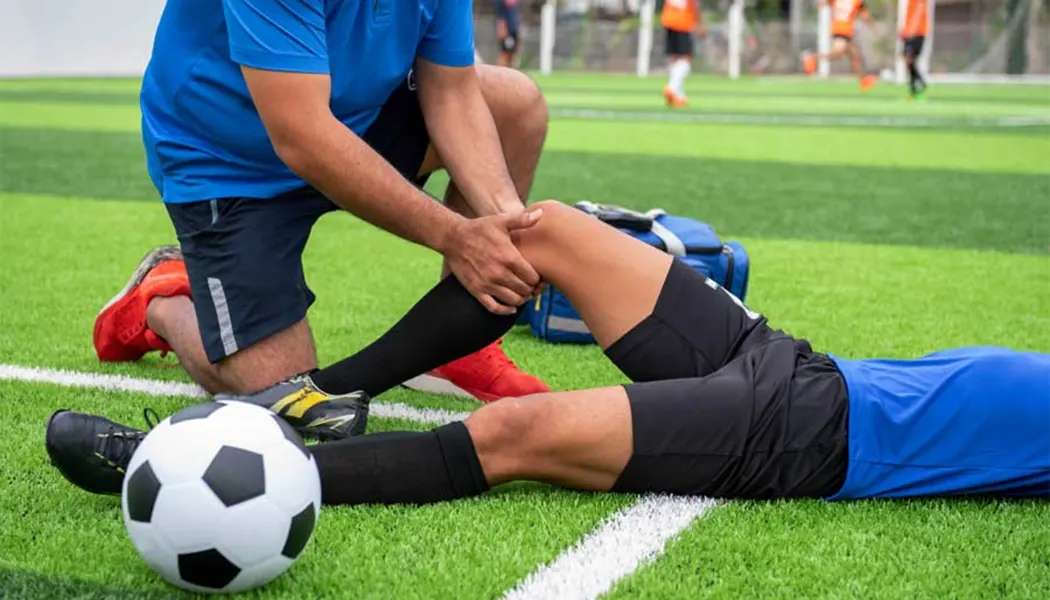
Specialised Care for Sports and Exercise Injuries: Sports Physiotherapy focuses on physical problems affecting muscles, joints, ligaments, tendons, bones, and other structures involved in movement and physical activity. Treatment is tailored according to the type of injury, sport, activity level, and individual recovery goals.
Injury Assessment and Rehabilitation: A detailed assessment helps identify how the injury is affecting movement, strength, flexibility, stability, and sports performance. Based on the findings, a personalised rehabilitation programme is developed.
Return-to-Sport Focus: Sports Physiotherapy goes beyond reducing pain. Rehabilitation focuses on gradually restoring the physical qualities needed to return to training, competition, and sport-specific movements.
Strength and Performance Support: Appropriate rehabilitation may include strengthening, mobility training, balance exercises, coordination, endurance work, and sport-specific conditioning.
Injury Prevention: A Sports Physiotherapist may identify movement patterns, muscle weaknesses, training errors, or other physical factors that could contribute to injury and provide guidance to support safer training.
How Does It Work?
Initial Sports Injury Assessment: The physiotherapist begins by understanding how the injury happened, your symptoms, previous injuries, sport, training routine, activity demands, and performance goals.
Movement and Physical Examination: The assessment may include joint movement, muscle strength, flexibility, balance, stability, coordination, walking or running patterns, and sport-specific movements.
Understanding the Cause: Sports injuries can result from sudden trauma, repetitive loading, training errors, poor recovery, or other factors. Identifying possible contributing factors helps guide rehabilitation.
Personalised Treatment Plan: A programme is created according to your injury, physical condition, sport requirements, and recovery goals. Treatment may include hands-on therapy, exercise rehabilitation, mobility work, and other appropriate physiotherapy techniques.
Progressive Rehabilitation: Exercises are progressed gradually from basic movement and strength work towards more demanding activities based on your symptoms, healing, physical capacity, and rehabilitation progress.
Sport-Specific Training: As appropriate, rehabilitation may progress towards movements and physical demands relevant to your sport, such as running, jumping, landing, cutting, changing direction, throwing, or other activity-specific skills.
Return-to-Sport Guidance: The final stages of rehabilitation focus on helping suitable patients safely progress back to training and sport according to their physical readiness and individual requirements.
What Are The Various Types Of
Acute Sports Injury Rehabilitation: Supports suitable athletes recovering from sudden injuries such as muscle strains, ligament injuries, sprains, and impact-related injuries.
Overuse Injury Management: Repetitive training and physical activity can contribute to gradual onset injuries affecting muscles, tendons, joints, and other tissues. Physiotherapy may help manage symptoms and address contributing factors.
Post-Surgical Sports Rehabilitation: Athletes recovering from appropriate orthopaedic or sports-related surgery may benefit from progressive rehabilitation after medical clearance.
Strength and Conditioning: Personalised exercises may help improve strength, stability, power, muscular endurance, and physical capacity required for sport.
Running Rehabilitation: Assessment and rehabilitation may focus on suitable factors affecting running, including strength, mobility, movement control, training load, and running-related symptoms.
Return-to-Sport Rehabilitation: A progressive programme may help athletes work towards regaining the physical abilities required to safely return to training and competition.
Balance and Stability Training: Exercises may focus on improving joint control, coordination, balance, and movement stability, particularly after suitable injuries.
Sports Injury Prevention: Assessment and training may help identify physical limitations and movement factors that can be addressed to support safer participation in sports and exercise.
What Are The Conditions Treated?
Muscle Strains: Sports Physiotherapy may help suitable patients recover from muscle injuries affecting areas such as the hamstrings, quadriceps, calves, groin, shoulders, and other muscles.
Ligament Injuries: Injuries affecting ligaments, including certain ankle, knee, and other joint sprains, may benefit from structured rehabilitation.
Tendon Problems: Repetitive loading can contribute to tendon-related pain and reduced function. Appropriate rehabilitation may help improve strength and movement tolerance.
Knee Injuries: Sports-related knee problems can affect running, jumping, squatting, and other activities. Treatment depends on the specific diagnosis and physical findings.
Shoulder Injuries: Throwing, lifting, contact sports, and repetitive upper-body movements can contribute to shoulder pain and injuries.
Ankle and Foot Injuries: Sprains, overuse problems, and other sports-related ankle or foot conditions may affect balance, walking, running, and sports participation.
Overuse Injuries: Repeated training without adequate recovery or excessive changes in activity can contribute to gradual onset pain and tissue irritation.
Post-Surgical Sports Recovery: Athletes recovering from appropriate surgery may require a structured programme to gradually restore strength, mobility, stability, and sport-specific physical capacity.
Who Can Benefit?
Professional Athletes: Athletes competing at a high level may benefit from personalised rehabilitation and physical conditioning designed around their sport and performance demands.
Recreational Athletes: Individuals participating in sports for fitness or enjoyment may benefit from assessment and rehabilitation after an injury.
Gym-Goers: People experiencing pain or injury during strength training, functional fitness, or gym workouts may benefit from professional assessment and exercise guidance.
Runners: Suitable runners experiencing sports-related pain, movement problems, or recurring injuries may benefit from personalised rehabilitation and training guidance.
School and College Athletes: Young athletes may benefit from appropriate injury rehabilitation, movement training, and gradual return-to-sport planning.
People Returning to Exercise: Individuals restarting physical activity after injury, surgery, or a long break may benefit from structured guidance to gradually rebuild physical capacity.
Active Individuals with Recurring Injuries: Repeated injuries may indicate underlying factors such as strength deficits, movement limitations, or training-related issues that require professional assessment.
Anyone Wanting to Stay Active: Sports Physiotherapy can support suitable individuals who want to recover from injury, improve physical confidence, and continue participating in the activities they enjoy.
Why Choose Pure Physio?
Sport-Specific Assessment: At Pure Physio, we consider your injury alongside the physical demands of your specific sport, training routine, activity level, and performance goals.
Personalised Rehabilitation Plans: Every programme is tailored according to your injury, symptoms, stage of recovery, physical capacity, and return-to-sport goals.
Focus on Strength and Movement: Our rehabilitation may combine mobility, strengthening, balance, coordination, stability, and functional movement training.
Progressive Return to Activity: We help suitable patients progress step by step from basic rehabilitation to more demanding exercises and sport-specific activities.
Focus Beyond Pain Relief: Our approach aims to address physical factors that may contribute to injury while helping restore the strength and movement required for your activity.
Injury Prevention Support: Where appropriate, we provide guidance on movement, training progression, strength, recovery, and physical conditioning to support safer sports participation.
Goal-Oriented Care: Whether your goal is to return to the gym, complete a race, play with your team, or compete at a higher level, our rehabilitation is designed around helping you work towards your individual physical goals.
Start Your Recovery Journey Today
Don’t let pain, stiffness, or reduced mobility affect your daily life. Get personalised physiotherapy care designed around your condition and recovery goals.