Sports Massage Therapy
Targeted Sports Massage Therapy for Muscle Recovery, Better Mobility & Peak Physical Performance
Take the First Step Towards Better Movement
Our experienced physiotherapists are here to help you improve mobility, regain strength, and move with greater comfort and confidence.
It focuses on the muscles and soft tissues that may experience tension, soreness, or fatigue due to training and physical activity. At Pure Physio, Sports Massage Therapy is tailored according to your activity level, training demands, physical condition, and recovery goals, and may be used alongside physiotherapy, stretching, mobility work, and exercise rehabilitation where appropriate.
What Is It?
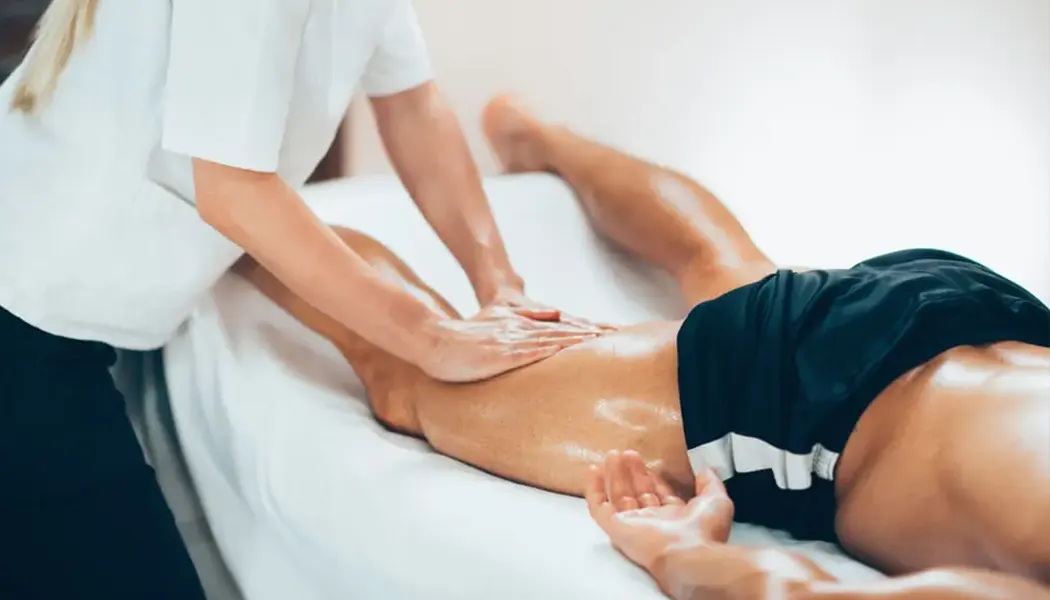
Specialised Massage for Active Bodies: Sports Massage Therapy uses targeted hands-on techniques to work with muscles and other soft tissues that may become tight or sore due to exercise, training, repetitive movements, or physically demanding activities.
Designed Around Your Activity: Unlike a general relaxation massage, Sports Massage Therapy considers the physical demands of your sport, workout routine, training intensity, and areas of muscle tension or discomfort.
Supports Training and Recovery: Depending on individual needs, Sports Massage may be used before or after physical activity, between training sessions, or as part of a broader recovery and rehabilitation programme.
Focus on Soft Tissue Health: Treatment may include techniques such as effleurage, petrissage, friction, compression, and other appropriate soft tissue methods to address muscle tightness and improve comfort.
Part of a Complete Physical Care Plan: Sports Massage Therapy may be combined with physiotherapy, mobility exercises, stretching, strengthening, and activity guidance to support overall movement and physical recovery.
How Does It Work?
Initial Assessment and Discussion: The therapist begins by understanding your sport or physical activity, training routine, areas of discomfort, previous injuries, current symptoms, and recovery goals.
Identifying Areas of Tension: Muscles and soft tissues may be assessed to identify areas of tightness, tenderness, fatigue, or reduced movement that could benefit from appropriate hands-on treatment.
Personalised Treatment Approach: The massage techniques, pressure, duration, and treatment areas are selected according to your individual needs, physical condition, comfort, and goals.
Targeted Soft Tissue Techniques: Depending on the assessment, the therapist may use appropriate massage techniques involving controlled pressure and movement over specific muscle groups and soft tissues.
Mobility and Movement Support: Sports Massage may be combined with stretching or mobility exercises where appropriate to support comfortable movement and flexibility.
Recovery Guidance: You may receive advice regarding suitable movement, hydration, recovery, training modification, stretching, or exercises based on your individual needs.
Ongoing Progress Monitoring: If Sports Massage is part of a regular recovery programme, your symptoms, muscle condition, training demands, and response to treatment can be reviewed over time.
What Are The Various Types Of
Pre-Event Sports Massage: A shorter and activity-focused session that may be used before training or competition to prepare the muscles and body for physical activity.
Post-Event Sports Massage: May be used after training, competition, or intense physical activity as part of an individual recovery routine to support relaxation and address feelings of muscle soreness.
Maintenance Sports Massage: Regular sessions may be used by active individuals to address recurring areas of muscle tightness and support ongoing physical maintenance.
Recovery Sports Massage: Designed around supporting recovery between training sessions or after periods of increased physical activity.
Deep Tissue Techniques: Controlled deeper pressure may be used where clinically appropriate to address specific areas of muscle tightness or soft tissue restriction.
Targeted Muscle Massage: Treatment may focus on particular muscle groups affected by a person’s sport, training routine, or physical demands, such as the legs, back, shoulders, or arms.
Myofascial Techniques: Appropriate hands-on techniques may be used to address restrictions or tension involving muscles and surrounding fascial tissues.
Sports Massage with Stretching: Massage may be combined with suitable stretching and mobility techniques to support flexibility and movement.
What Are The Conditions Treated?
Muscle Tightness: Repetitive exercise, training, prolonged positions, or physically demanding activities can contribute to feelings of muscle tightness and reduced comfort.
Post-Exercise Muscle Soreness: Suitable individuals experiencing muscle soreness after intense or unfamiliar physical activity may use massage as part of their recovery routine.
Training-Related Muscle Fatigue: Frequent or high-intensity training can lead to feelings of muscular fatigue and physical tiredness that may benefit from appropriate recovery strategies.
Soft Tissue Tension: Muscles and surrounding soft tissues may become tense due to repetitive movements, physical activity, or training demands.
Reduced Flexibility: Muscle tightness and reduced soft tissue mobility may affect comfortable movement. Sports Massage may be combined with stretching and mobility exercises where appropriate.
Exercise-Related Discomfort: Some people experience mild muscle discomfort associated with training. Persistent or severe pain should be assessed to identify the underlying cause.
Recovery Between Training Sessions: Athletes and active individuals may use Sports Massage as part of a broader recovery plan during periods of regular training.
Muscle Overuse: Repetitive physical activity may contribute to overuse-related symptoms. A professional assessment is important to determine whether massage is appropriate and whether additional treatment is required.
Who Can Benefit?
Professional Athletes: Athletes with demanding training and competition schedules may use Sports Massage as part of their individual physical recovery routine.
Recreational Athletes: People who participate in sports for fitness and enjoyment may benefit from targeted massage based on their activity demands.
Gym-Goers: Individuals performing regular strength training, functional workouts, or high-intensity exercise may benefit from appropriate soft tissue recovery support.
Runners and Cyclists: Repetitive training can place demands on the legs, hips, and other muscle groups. Sports Massage may be included as part of an individual recovery plan.
People with Physically Demanding Jobs: Individuals whose work involves lifting, repetitive movements, prolonged standing, or physical labour may experience muscle tightness and fatigue.
Active Individuals: Anyone who exercises regularly and experiences muscle tightness, training-related soreness, or physical fatigue may benefit from an appropriate assessment.
People Returning to Exercise: Individuals restarting exercise after a break may experience muscle soreness and stiffness as their body adapts to increased activity.
Sports Teams and Fitness Enthusiasts: Sports Massage may be used as part of a broader physical care and recovery programme for individuals with regular training demands.
Why Choose Pure Physio?
Personalised Treatment: At Pure Physio, Sports Massage Therapy is adapted according to your sport, activity level, training demands, physical condition, and recovery goals.
Physiotherapy-Informed Approach: Our understanding of movement, muscles, soft tissues, and physical rehabilitation helps us provide treatment based on individual physical needs.
Targeted Soft Tissue Care: Treatment focuses on the muscle groups and areas most affected by your sport, training routine, or physical activity.
Integrated Recovery Support: Where appropriate, Sports Massage can be combined with physiotherapy, stretching, mobility work, strengthening, and rehabilitation exercises.
Suitable for Different Activity Levels: Whether you are a professional athlete, recreational player, gym-goer, runner, or simply enjoy staying active, treatment can be adapted to your requirements.
Focus on Movement and Comfort: Our approach aims to support comfortable movement, flexibility, muscle relaxation, and physical recovery.
Professional Guidance: We assess your symptoms and physical needs and can recommend appropriate rehabilitation or further assessment when massage alone may not be suitable.
Start Your Recovery Journey Today
Don’t let pain, stiffness, or reduced mobility affect your daily life. Get personalised physiotherapy care designed around your condition and recovery goals.