Spinal Injury Rehabilitation
Personalised Spinal Injury Rehabilitation for Better Mobility, Greater Strength & Improved Everyday Function
Take the First Step Towards Better Movement
Our experienced physiotherapists are here to help you improve mobility, regain strength, and move with greater comfort and confidence.
Spinal injuries can affect the bones, joints, discs, muscles, ligaments, nerves, or spinal cord, and the rehabilitation approach depends greatly on the type, severity, level, and medical stability of the injury. At Pure Physio, rehabilitation is personalised to help suitable patients work towards safer movement, improved physical function, and greater independence as part of their overall medical and rehabilitation care.
What Is It?
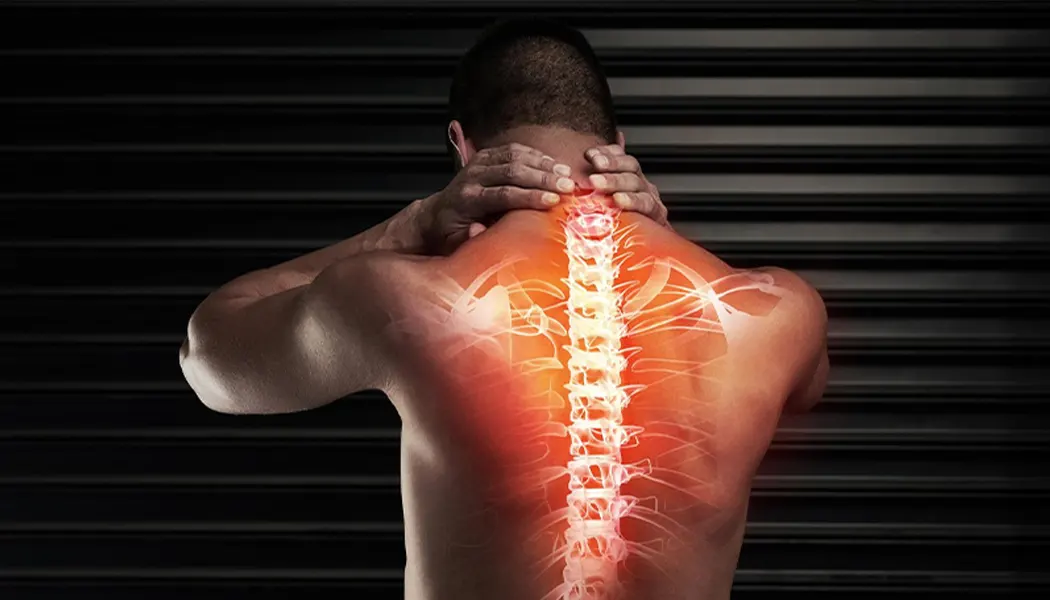
Specialised Rehabilitation After Spinal Injury: Spinal Injury Rehabilitation focuses on helping patients manage the physical effects of an injury involving the spine. Depending on the condition, rehabilitation may address pain, weakness, stiffness, reduced mobility, balance problems, walking difficulties, and limitations in everyday activities.
Individualised Recovery Programme: No two spinal injuries are the same. Treatment is planned according to the diagnosis, affected area of the spine, severity of the injury, medical recommendations, surgical history where relevant, and the patient’s current physical abilities.
Focus on Movement and Function: Rehabilitation aims to improve practical physical abilities that may be affected after a spinal injury, including sitting, standing, walking, transferring, reaching, balance, and other daily activities.
Strength and Mobility Training: Carefully selected exercises may help suitable patients improve muscle strength, joint mobility, trunk control, stability, endurance, and overall physical capacity.
Part of a Comprehensive Care Plan: Spinal Injury Rehabilitation may work alongside medical, neurological, orthopaedic, surgical, occupational, and other healthcare services depending on the patient’s individual condition.
How Does It Work?
Detailed Initial Assessment: The rehabilitation process begins with a review of your diagnosis, medical history, injury details, symptoms, treatment, surgery where applicable, current physical abilities, and recommendations from your treating medical team.
Physical and Functional Evaluation: Assessment may include posture, spinal and joint movement, muscle strength, sensation, balance, coordination, trunk control, walking ability, and performance of everyday functional activities.
Identifying Individual Limitations: A spinal injury may affect different aspects of physical function. The assessment helps identify specific challenges involving pain, weakness, stiffness, mobility, balance, movement control, or independence.
Personalised Rehabilitation Plan: A treatment programme is developed according to your injury, recovery stage, medical restrictions, physical capacity, and individual rehabilitation goals.
Progressive Exercise Therapy: Rehabilitation may include carefully selected mobility, strengthening, stretching, trunk stability, balance, coordination, and endurance exercises.
Functional Movement Training: Therapy may focus on important everyday movements such as rolling in bed, sitting up, transferring between surfaces, standing, walking, climbing stairs, or using appropriate mobility aids.
Regular Progress Monitoring: Your physical response and functional progress are reviewed regularly, allowing the rehabilitation programme to be adapted safely as your condition and abilities change.
What Are The Various Types Of
Spinal Cord Injury Rehabilitation: Suitable individuals with spinal cord injuries may require specialised multidisciplinary rehabilitation focused on maximising physical function, mobility, independence, and participation in everyday activities.
Post-Spinal Surgery Rehabilitation: After appropriate medical clearance, physiotherapy may help suitable patients gradually restore mobility, strength, movement confidence, and physical function following spinal surgery.
Fracture Rehabilitation: Spinal fractures require appropriate medical management. Once rehabilitation is considered safe, physiotherapy may support gradual recovery of mobility, strength, and functional ability.
Nerve-Related Rehabilitation: Spinal injuries affecting nerve function may lead to weakness, altered movement, or reduced physical control. Rehabilitation may focus on appropriate strengthening, mobility, and functional training.
Pain and Mobility Rehabilitation: Some spinal injuries can result in persistent pain, stiffness, and movement limitations that may be addressed through a personalised physiotherapy programme.
Balance and Walking Rehabilitation: Suitable patients experiencing reduced stability or difficulty walking may benefit from progressive balance, gait, and functional mobility training.
Strength and Trunk Control Training: Exercises may focus on improving strength and control of the trunk and other muscle groups important for posture, movement, transfers, and functional activities.
Home and Functional Rehabilitation: Depending on individual needs, rehabilitation may focus on practical activities and strategies that support safer and greater independence in everyday life.
What Are The Conditions Treated?
Spinal Cord Injuries: Injuries affecting the spinal cord can lead to changes in movement, strength, sensation, balance, and physical function. Rehabilitation needs are based on the individual level and severity of injury.
Spinal Fractures: Fractures affecting the spine require medical assessment and management. Physiotherapy may support appropriate stages of recovery following medical guidance.
Post-Surgical Spinal Recovery: Patients recovering from suitable spinal procedures may benefit from progressive rehabilitation after receiving appropriate medical clearance.
Nerve-Related Weakness: Certain spinal injuries may affect nerve function and contribute to weakness, reduced movement control, or difficulty performing everyday activities.
Reduced Mobility: Difficulty bending, turning, sitting, standing, walking, or changing positions may occur after certain spinal injuries.
Muscle Weakness and Deconditioning: Reduced activity, hospitalisation, or prolonged recovery can contribute to loss of muscle strength and physical endurance.
Balance and Walking Difficulties: Some patients may experience reduced balance, coordination, or walking ability that requires individualised rehabilitation.
Long-Term Functional Limitations: Depending on the severity of injury, some individuals may require ongoing rehabilitation to maintain physical function, prevent secondary complications, and support independence.
Who Can Benefit?
People Recovering from a Spinal Injury: Individuals who have sustained an injury affecting the spine may benefit from a personalised rehabilitation programme when medically appropriate.
Patients After Spinal Surgery: Following appropriate medical clearance, patients recovering from suitable spinal procedures may benefit from progressive physiotherapy and functional rehabilitation.
People with Reduced Strength or Mobility: Individuals experiencing weakness, stiffness, or difficulty moving after a spinal injury may benefit from carefully guided rehabilitation.
People with Walking Difficulties: Suitable patients experiencing changes in gait, balance, or walking confidence may benefit from personalised mobility and gait training.
People with Reduced Independence: Difficulty performing everyday activities such as getting out of bed, standing, transferring, walking, or climbing stairs may be addressed through functional rehabilitation.
Patients Recovering After Hospitalisation: Long periods of hospitalisation or reduced activity after a spinal injury can contribute to physical deconditioning and may require gradual rehabilitation.
People Requiring Long-Term Rehabilitation: Some spinal injuries require ongoing support to maintain mobility, strength, physical capacity, and everyday function.
Families and Caregivers: Rehabilitation guidance may also help families and caregivers understand safe movement strategies, appropriate support techniques, and ways to assist with daily physical activities.
Why Choose Pure Physio?
Individualised Rehabilitation Plans: At Pure Physio, every rehabilitation programme is designed around the individual’s diagnosis, medical guidance, physical abilities, limitations, and recovery goals.
Comprehensive Physical Assessment: We assess relevant aspects of movement, strength, balance, mobility, trunk control, and functional ability to understand your specific rehabilitation needs.
Focus on Functional Recovery: Our programmes focus on physical abilities that matter in everyday life, helping suitable patients work towards safer movement and greater independence.
Progressive and Goal-Based Care: Rehabilitation is progressed gradually according to your recovery, physical response, medical restrictions, and individual goals.
Strength, Mobility and Balance Training: Treatment may combine appropriate exercises to support muscle strength, movement, stability, coordination, endurance, and physical function.
Multidisciplinary Care Approach: Spinal injuries can require input from different healthcare professionals. We work within an appropriate rehabilitation framework and follow relevant medical recommendations.
Support Throughout Recovery: Whether rehabilitation is needed during the early stages of recovery or as part of longer-term physical management, our goal is to provide consistent, personalised support based on your changing needs.
Start Your Recovery Journey Today
Don’t let pain, stiffness, or reduced mobility affect your daily life. Get personalised physiotherapy care designed around your condition and recovery goals.