Pediatric Physiotherapy
Specialised Pediatric Physiotherapy to Support Better Movement, Strength, Balance & Physical Development
Take the First Step Towards Better Movement
Our experienced physiotherapists are here to help you improve mobility, regain strength, and move with greater comfort and confidence.
Every child develops at their own pace, and a personalised physiotherapy assessment can help identify physical challenges and provide appropriate support. At Pure Physio, our Pediatric Physiotherapy programmes are designed around the child’s age, developmental stage, physical abilities, condition, and individual goals while involving parents and caregivers throughout the rehabilitation journey.
What Is It?
Specialised Physiotherapy for Children: Pediatric Physiotherapy focuses on assessing and supporting physical development, movement skills, strength, balance, coordination, mobility, and functional independence in infants, children, and teenagers.
Development-Focused Care: Children are not simply smaller adults. Their bodies, movement patterns, and physical abilities change as they grow. Physiotherapy is adapted according to the child’s age, developmental stage, individual needs, and ability to participate.
Personalised Assessment: The physiotherapist assesses relevant aspects of movement, posture, muscle strength, joint mobility, balance, coordination, walking, developmental skills, and everyday physical activities.
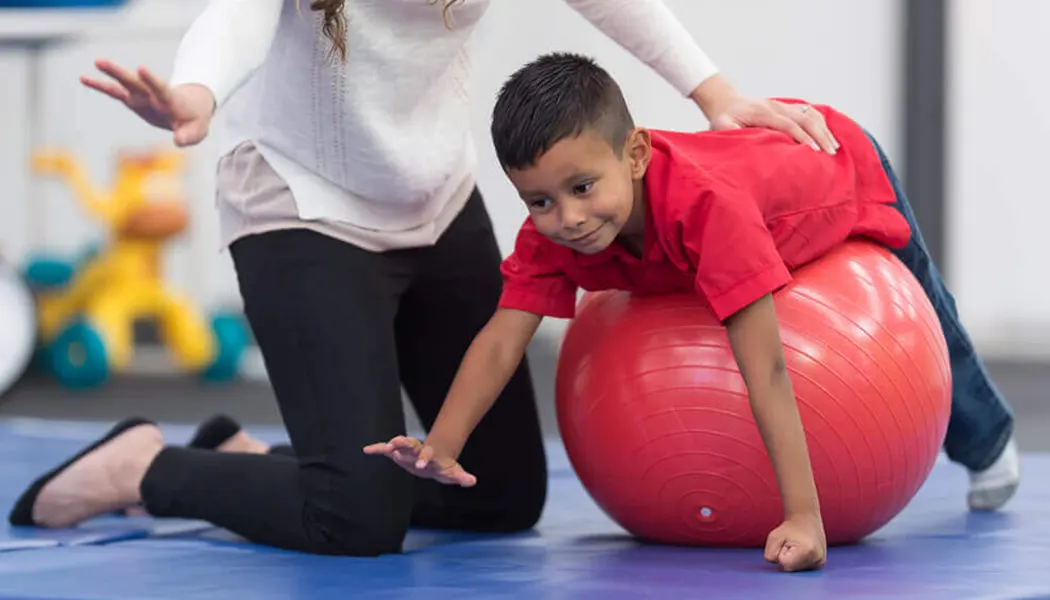
Play-Based Rehabilitation: For many children, therapy may include age-appropriate and engaging activities designed to encourage movement, exercise, coordination, strength, and functional skill development.
Family-Centred Support: Parents and caregivers play an important role in a child’s progress. They may receive guidance on suitable exercises, positioning, movement activities, and ways to support the child at home.
Focus on Functional Independence: The aim is to help suitable children improve the physical skills needed for everyday activities such as sitting, crawling, standing, walking, playing, participating at school, and engaging in age-appropriate activities.
How Does It Work?
Detailed Initial Assessment: The physiotherapist begins by understanding the child’s medical history, developmental history, current physical abilities, symptoms, daily activities, and concerns raised by parents or caregivers.
Observation of Movement: The child’s posture, movement patterns, balance, coordination, muscle strength, flexibility, walking, and other age-appropriate physical skills may be observed.
Developmental and Functional Evaluation: Depending on the child’s age and condition, assessment may include relevant milestones and physical activities such as head control, rolling, sitting, crawling, standing, walking, running, jumping, and playing.
Identifying Individual Needs: Every child has different strengths and challenges. The assessment helps identify areas where the child may benefit from targeted physiotherapy support.
Personalised Treatment Plan: A programme is created based on the child’s physical needs and goals. Treatment may include therapeutic exercises, movement activities, balance training, strengthening, stretching, mobility work, and functional skill practice.
Fun and Engaging Therapy: Where appropriate, exercises may be incorporated into games and age-appropriate activities to encourage participation and make therapy more enjoyable.
Parent and Caregiver Guidance: Parents and caregivers may be taught suitable home exercises and activities to support the child’s rehabilitation and physical development between sessions.
Regular Progress Monitoring: The child’s progress is reviewed regularly, and the programme is adapted as their abilities, needs, and goals change.
What Are The Various Types Of
Developmental Physiotherapy: Supports children who may need assistance developing age-appropriate movement skills such as rolling, sitting, crawling, standing, and walking.
Neurological Pediatric Physiotherapy: Provides specialised rehabilitation for suitable children with neurological conditions that affect movement, muscle control, balance, coordination, or physical function.
Orthopaedic Pediatric Physiotherapy: Supports appropriate conditions involving bones, joints, muscles, posture, and movement, including recovery from suitable injuries or surgeries.
Sports Injury Rehabilitation for Children: Young athletes recovering from suitable sports or exercise-related injuries may benefit from progressive rehabilitation and safe return-to-activity guidance.
Balance and Coordination Training: Exercises and activities may help suitable children improve stability, body awareness, coordination, and confidence with movement.
Strength and Mobility Training: Age-appropriate exercises may be used to support muscle strength, flexibility, joint movement, and overall physical capacity.
Post-Surgical Rehabilitation: Children recovering from appropriate surgical procedures may benefit from personalised physiotherapy after medical clearance.
Posture and Movement Training: Physiotherapy may help assess posture and movement patterns and provide appropriate exercises and guidance for suitable children.
What Are The Conditions Treated?
Developmental Delays: Some children may take longer to develop certain movement skills. Physiotherapy can provide appropriate assessment and support for suitable developmental concerns.
Cerebral Palsy: Suitable children with cerebral palsy may benefit from individualised physiotherapy focused on movement, strength, mobility, balance, posture, and functional abilities.
Muscular Weakness: Reduced muscle strength can affect physical development, walking, play, and participation in everyday activities.
Balance and Coordination Difficulties: Children who experience difficulty maintaining balance, coordinating movements, or participating in age-appropriate physical activities may benefit from assessment.
Walking and Gait Difficulties: Differences or difficulties in walking may be assessed to understand physical factors affecting the child’s movement.
Postural Problems: Certain posture-related concerns may affect movement and physical comfort and can be assessed by a qualified physiotherapist.
Sports and Activity-Related Injuries: Muscle strains, joint injuries, and other suitable injuries in active children may benefit from personalised rehabilitation.
Recovery After Surgery: Children recovering from appropriate orthopaedic or other surgical procedures may require physiotherapy to gradually restore movement and physical function.
Who Can Benefit?
Infants with Movement Concerns: Babies who require support with age-appropriate movement skills or physical development may benefit from a professional assessment.
Toddlers and Young Children: Children experiencing challenges with walking, balance, coordination, or other physical skills may benefit from personalised physiotherapy.
School-Age Children: Children experiencing physical limitations affecting play, sports, school activities, or everyday movement may benefit from rehabilitation support.
Teenagers: Adolescents recovering from injuries, surgery, sports-related problems, or movement limitations may benefit from age-appropriate physiotherapy.
Children with Developmental Challenges: Suitable children with delayed or difficult physical development may benefit from targeted rehabilitation and movement support.
Children with Neurological Conditions: Children with suitable neurological conditions affecting movement, balance, strength, or coordination may benefit from specialised physiotherapy.
Young Athletes: Children and teenagers involved in sports may benefit from injury rehabilitation, strengthening, movement training, and return-to-sport guidance.
Parents Seeking Professional Guidance: Parents and caregivers concerned about their child’s movement, posture, balance, physical development, or mobility can seek a physiotherapy assessment to understand whether rehabilitation support may be appropriate.
Why Choose Pure Physio?
Child-Centred Care: At Pure Physio, every programme is adapted to the child’s age, developmental stage, physical abilities, condition, and individual goals.
Personalised Treatment Plans: We understand that every child is different. Treatment is based on a detailed assessment and designed around the child’s specific physical needs.
Fun and Engaging Approach: Where appropriate, therapy activities are designed to encourage movement and participation through age-appropriate exercises and play-based rehabilitation.
Focus on Functional Development: Our goal is to help suitable children improve practical physical skills that support movement, play, learning, sports, and everyday independence.
Family and Caregiver Involvement: We provide parents and caregivers with guidance to help them understand the rehabilitation process and support appropriate activities at home.
Progressive Rehabilitation: Treatment is reviewed and adjusted as the child’s physical abilities, development, and rehabilitation needs change.
Support for Growing Bodies: Our approach considers the changing physical needs of children and adolescents and provides rehabilitation support that is appropriate for their stage of development.
Start Your Recovery Journey Today
Don’t let pain, stiffness, or reduced mobility affect your daily life. Get personalised physiotherapy care designed around your condition and recovery goals.