Neuro Physiotherapy – Rehab
Personalised Neuro Physiotherapy Rehabilitation to Improve Mobility, Balance, Strength & Everyday Function
Take the First Step Towards Better Movement
Our experienced physiotherapists are here to help you improve mobility, regain strength, and move with greater comfort and confidence.
The brain, spinal cord, and nerves play an essential role in controlling how the body moves. When a neurological condition affects this system, rehabilitation can help suitable patients practise movement, improve physical abilities, and work towards greater independence. At Pure Physio, every Neuro Physiotherapy Rehabilitation programme is personalised according to the individual’s diagnosis, symptoms, physical abilities, medical guidance, and rehabilitation goals.
What Is It?
Specialised Physiotherapy for Neurological Conditions: Neuro Physiotherapy focuses on physical rehabilitation for people whose movement or function has been affected by a condition involving the brain, spinal cord, or nervous system.
Supporting Movement and Physical Recovery: Neurological conditions can affect different people in different ways. Symptoms may include muscle weakness, stiffness, altered muscle tone, reduced coordination, poor balance, difficulty walking, or reduced ability to perform everyday activities.
Personalised Rehabilitation: Every neurological condition and recovery journey is different. Treatment is based on a detailed assessment of the patient’s physical abilities, movement challenges, functional needs, and personal goals.
Focus on Neuroplasticity and Repetition: The nervous system can adapt and reorganise through repeated, meaningful practice. Where appropriate, rehabilitation uses task-specific and repetitive movement activities to help suitable patients practise and improve physical skills.
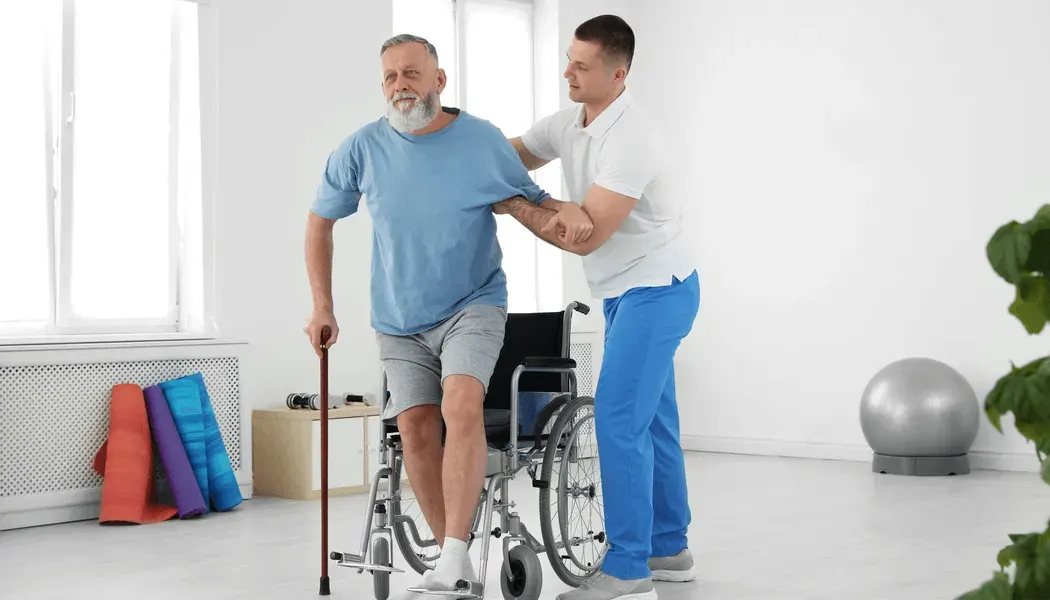
Improving Everyday Function: Neuro Physiotherapy focuses on practical activities that matter to the individual, including sitting, standing, walking, reaching, transferring, using the arms and legs, and participating in everyday life.
How Does It Work?
Detailed Initial Assessment: The physiotherapist begins by reviewing your diagnosis, medical history, symptoms, previous treatment, current physical abilities, and the activities you find difficult.
Movement and Functional Assessment: Assessment may include muscle strength, joint movement, muscle tone, balance, coordination, posture, sensation, walking ability, transfers, and other functional tasks.
Identifying Physical Challenges: The assessment helps identify individual difficulties affecting movement, such as weakness, stiffness, poor balance, reduced coordination, altered movement control, or reduced endurance.
Personalised Rehabilitation Plan: A treatment programme is developed according to your condition, physical abilities, recovery stage, medical recommendations, and individual goals.
Task-Specific Exercise: Rehabilitation may involve practising meaningful movements and activities relevant to daily life, such as standing up, walking, reaching, stepping, or transferring between surfaces.
Strength and Mobility Training: Carefully selected exercises may help suitable patients improve strength, joint movement, flexibility, posture, trunk control, and physical capacity.
Balance and Gait Rehabilitation: Treatment may include exercises designed to support stability, coordination, walking ability, turning, stepping, and safe movement.
Regular Progress Monitoring: Progress is reviewed regularly, and the rehabilitation programme is adjusted according to changes in physical ability, symptoms, and individual goals.
What Are The Various Types Of
Stroke Rehabilitation: Physiotherapy may help suitable stroke survivors work towards improving movement, strength, balance, walking, coordination, and functional independence as part of their overall rehabilitation plan.
Spinal Cord Injury Rehabilitation: Suitable individuals with spinal cord injuries may require specialised rehabilitation focused on mobility, strength, trunk control, transfers, walking where possible, and functional independence.
Parkinson’s Disease Rehabilitation: Physiotherapy may support suitable people with Parkinson’s disease through exercises focused on movement, posture, balance, walking, flexibility, and physical function.
Multiple Sclerosis Rehabilitation: A personalised programme may help suitable patients manage physical limitations affecting strength, balance, mobility, coordination, and fatigue management.
Brain Injury Rehabilitation: People recovering from suitable traumatic or acquired brain injuries may benefit from rehabilitation addressing movement, balance, coordination, walking, and functional abilities.
Peripheral Nerve Rehabilitation: Certain nerve injuries or conditions can affect muscle strength and movement. Physiotherapy may support appropriate rehabilitation and functional recovery.
Balance and Coordination Rehabilitation: Patients with neurological conditions affecting stability and coordination may benefit from carefully selected exercises and movement training.
Gait and Mobility Rehabilitation: Treatment may focus on improving walking patterns, transfers, stepping, turning, and safe mobility based on the individual’s physical abilities.
What Are The Conditions Treated?
Stroke: A stroke can affect strength, movement, balance, coordination, and the ability to perform everyday activities. Rehabilitation needs vary according to the affected areas and individual recovery.
Parkinson’s Disease: Parkinson’s disease may affect movement speed, posture, balance, walking, and coordination. Physiotherapy can provide exercise and movement support as part of ongoing care.
Multiple Sclerosis (MS): MS may affect strength, mobility, balance, coordination, and physical endurance. Rehabilitation is adapted according to the individual’s symptoms and needs.
Spinal Cord Injury: Injuries affecting the spinal cord can result in changes to strength, sensation, movement, and functional ability, often requiring specialised and individualised rehabilitation.
Traumatic Brain Injury: Brain injuries may affect balance, coordination, muscle control, movement, and physical function.
Peripheral Nerve Injuries: Damage or problems affecting peripheral nerves may contribute to weakness, reduced muscle control, altered movement, or difficulty with physical function.
Neurological Balance Problems: Certain neurological conditions can affect stability, coordination, and confidence while standing or walking.
Movement and Mobility Limitations: Weakness, stiffness, altered muscle tone, or reduced coordination may affect everyday movements and require personalised rehabilitation.
Who Can Benefit?
Stroke Survivors: Individuals recovering from a stroke may benefit from personalised physiotherapy focused on improving movement and functional abilities.
People with Neurological Conditions: Suitable individuals with conditions affecting the brain, spinal cord, or nervous system may benefit from specialised rehabilitation.
People with Walking Difficulties: Individuals experiencing changes in walking, reduced stability, difficulty turning, or problems with stepping may benefit from gait and mobility rehabilitation.
People with Balance Problems: Those experiencing reduced stability or difficulty maintaining balance due to a neurological condition may benefit from carefully guided balance training.
People with Muscle Weakness or Stiffness: Neurological conditions can contribute to weakness, increased muscle tone, stiffness, or reduced movement control that may be addressed through individualised physiotherapy.
People Recovering from Brain or Spinal Injuries: Suitable patients may benefit from structured rehabilitation following appropriate medical treatment and guidance.
People with Reduced Functional Independence: Individuals experiencing difficulty with sitting, standing, walking, transfers, or everyday physical activities may benefit from functional rehabilitation.
Families and Caregivers: Families and caregivers may receive guidance regarding appropriate exercises, positioning, mobility, and ways to support safe movement at home.
Why Choose Pure Physio?
Individualised Neurological Rehabilitation: At Pure Physio, every rehabilitation programme is designed around the individual’s neurological condition, symptoms, physical abilities, and personal goals.
Comprehensive Physical Assessment: We assess relevant aspects of movement, strength, balance, coordination, posture, walking, and functional ability to understand your rehabilitation needs.
Focus on Functional Goals: Our therapy focuses on practical activities that are important to your daily life, helping suitable patients work towards greater mobility and independence.
Task-Specific Rehabilitation: Where appropriate, treatment includes meaningful and repetitive movement practice designed around the physical skills the patient wants or needs to improve.
Progressive and Goal-Based Care: Exercises and activities are adapted as physical abilities change, allowing rehabilitation to progress according to the individual’s response and needs.
Support for Long-Term Rehabilitation: Many neurological conditions require ongoing management. We provide structured physiotherapy support that can be adjusted throughout different stages of rehabilitation.
Collaborative Care Approach: Neurological rehabilitation may involve different healthcare professionals. We work within appropriate medical guidance and encourage coordinated care when additional support is required.
Start Your Recovery Journey Today
Don’t let pain, stiffness, or reduced mobility affect your daily life. Get personalised physiotherapy care designed around your condition and recovery goals.