Musculoskeletal Physiotherapy
Expert Musculoskeletal Physiotherapy for Pain Relief, Better Mobility, Stronger Joints & Improved Movement
Take the First Step Towards Better Movement
Our experienced physiotherapists are here to help you improve mobility, regain strength, and move with greater comfort and confidence.
Pain, stiffness, weakness, and movement problems can make everyday activities such as walking, bending, lifting, working, exercising, or sleeping more difficult. At Pure Physio, our Musculoskeletal Physiotherapy programmes are personalised to help suitable patients manage pain, improve mobility, restore strength, and return to everyday activities with greater confidence.
What Is It?
Specialised Care for Muscles, Joints and Movement: Musculoskeletal Physiotherapy focuses on physical problems affecting the structures that support movement, including muscles, bones, joints, tendons, ligaments, and soft tissues.
Understanding the Cause of Your Symptoms: Pain can develop due to injuries, repetitive movements, poor movement patterns, prolonged positions, overuse, reduced strength, or other physical factors. A detailed assessment helps identify possible factors contributing to your symptoms and movement limitations.
Personalised Treatment and Rehabilitation: Every condition is different. Treatment is planned according to your symptoms, diagnosis, physical findings, activity level, lifestyle, and personal recovery goals.
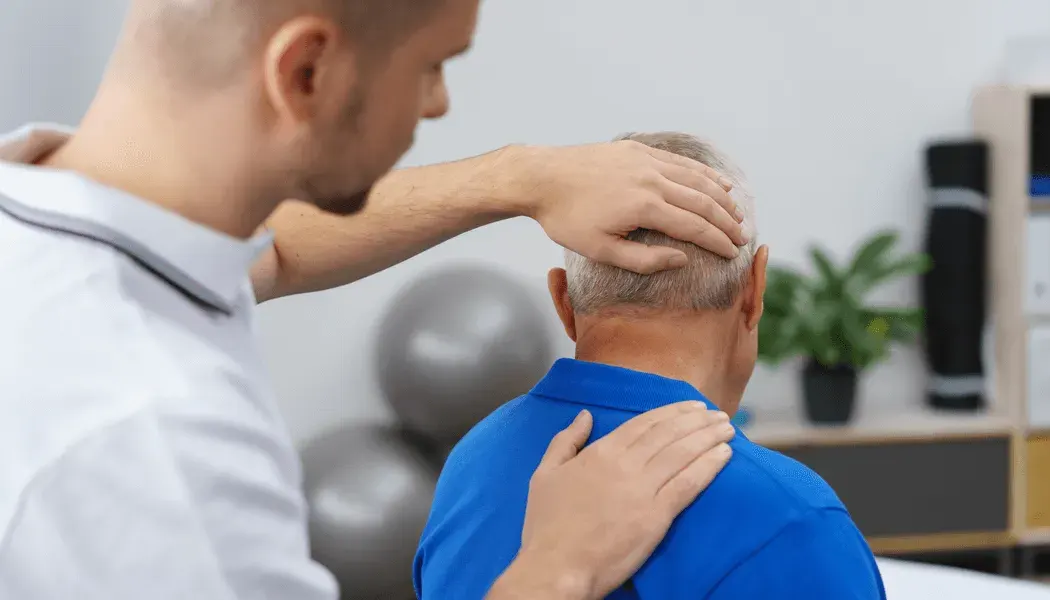
Active and Hands-On Physiotherapy: Depending on your condition, treatment may include exercise therapy, manual therapy, mobility work, strengthening, stretching, soft tissue techniques, posture guidance, and other appropriate physiotherapy methods.
Focus on Long-Term Physical Function: The aim is not only to address current symptoms but also to improve movement, strength, physical capacity, and confidence in everyday activities.
How Does It Work?
Detailed Initial Assessment: The physiotherapist begins by discussing your symptoms, medical history, previous injuries, work demands, physical activities, lifestyle, and the movements or activities that are difficult for you.
Physical Examination: Your posture, joint movement, muscle strength, flexibility, balance, coordination, and functional movement patterns may be assessed to understand your physical condition.
Identifying Contributing Factors: The assessment may identify factors such as weakness, joint stiffness, reduced flexibility, poor movement control, repetitive strain, or training-related issues that could contribute to symptoms.
Personalised Treatment Plan: Based on the assessment, a treatment programme is created according to your condition, symptoms, physical abilities, and recovery goals.
Hands-On Treatment: Where appropriate, manual therapy and soft tissue techniques may be used to address stiffness, muscle tension, and movement restrictions.
Exercise Rehabilitation: A structured exercise programme may include mobility exercises, stretching, strengthening, stability training, and functional movement exercises.
Movement and Posture Guidance: You may receive practical advice regarding posture, workplace habits, lifting techniques, exercise, and activity modification to support recovery.
Progressive Rehabilitation: Your programme is monitored and gradually progressed according to your symptoms, physical response, and improvement in movement and strength.
What Are The Various Types Of
Back and Neck Physiotherapy: Focuses on suitable conditions affecting the cervical, thoracic, and lumbar regions, including pain, stiffness, reduced mobility, and movement limitations.
Joint Rehabilitation: Supports suitable conditions affecting joints such as the shoulder, elbow, wrist, hip, knee, ankle, and foot.
Sports Injury Physiotherapy: Provides assessment and rehabilitation for suitable muscle, ligament, tendon, and joint injuries related to sports and exercise.
Post-Surgical Musculoskeletal Rehabilitation: After appropriate medical clearance, physiotherapy may help restore mobility, strength, stability, and function following suitable orthopaedic procedures.
Manual Therapy: Hands-on techniques may be used where appropriate to support joint movement, soft tissue mobility, and physical function.
Exercise-Based Rehabilitation: Personalised exercises are used to help suitable patients improve strength, flexibility, stability, mobility, and movement control.
Work-Related Injury Rehabilitation: Repetitive movements, prolonged sitting, lifting, and physically demanding work can contribute to musculoskeletal problems and may benefit from appropriate physiotherapy.
Chronic Pain Rehabilitation: Suitable patients with long-term musculoskeletal symptoms may benefit from a comprehensive approach involving exercise, movement education, activity modification, and other appropriate management strategies.
What Are The Conditions Treated?
Neck Pain: Muscle tension, joint stiffness, prolonged posture, injuries, and other factors may contribute to neck discomfort and reduced movement.
Back Pain: Musculoskeletal Physiotherapy may help suitable patients experiencing certain types of upper, middle, or lower back pain and movement limitations.
Shoulder Pain: Problems affecting muscles, tendons, joints, and movement control around the shoulder may affect reaching, lifting, dressing, and other activities.
Knee Pain: Knee discomfort can affect walking, climbing stairs, squatting, running, and exercise. Rehabilitation depends on the underlying condition and individual assessment.
Hip Pain: Conditions affecting the muscles, joints, and soft tissues around the hip may contribute to pain and reduced mobility.
Muscle Strains: Injuries caused by overstretching or excessive loading of muscles may benefit from appropriate assessment and progressive rehabilitation.
Ligament and Joint Injuries: Sprains and other suitable injuries affecting ligaments and joints may require structured rehabilitation to restore movement, strength, and stability.
Tendon Problems: Repetitive loading and other factors can contribute to tendon-related pain and reduced function. Appropriate strengthening and rehabilitation may help suitable patients.
Arthritis and Joint Stiffness: Suitable patients with joint-related conditions may benefit from exercises and physical activity programmes designed around their symptoms and abilities.
Repetitive Strain Injuries: Repeated work or physical activities can place stress on muscles, tendons, and joints, contributing to pain and movement problems.
Who Can Benefit?
People with Muscle or Joint Pain: Individuals experiencing suitable pain or discomfort affecting muscles, joints, or soft tissues may benefit from a detailed physiotherapy assessment.
People Recovering from Injury: Patients recovering from suitable strains, sprains, joint injuries, or soft tissue injuries may benefit from progressive rehabilitation.
Office Workers: Prolonged sitting, repetitive computer use, and poor workplace ergonomics can contribute to musculoskeletal discomfort and movement problems.
People with Physically Demanding Jobs: Individuals whose work involves lifting, carrying, repetitive movements, or prolonged standing may benefit from assessment and rehabilitation.
Athletes and Active Individuals: Sports participants and fitness enthusiasts may benefit from injury rehabilitation, movement assessment, strengthening, and return-to-activity guidance.
Post-Surgical Patients: Following appropriate medical clearance, patients recovering from suitable orthopaedic procedures may benefit from structured rehabilitation.
Older Adults: Age-related changes, reduced strength, joint stiffness, and mobility limitations may be addressed through personalised physiotherapy and exercise.
People with Recurring Pain: Repeated musculoskeletal symptoms may be associated with underlying movement, strength, mobility, or activity-related factors that require professional assessment.
Why Choose Pure Physio?
Comprehensive Physical Assessment: At Pure Physio, we assess the way your body moves to understand the physical factors that may be contributing to your pain or movement limitations.
Personalised Treatment Plans: Every programme is tailored according to your condition, symptoms, physical abilities, lifestyle, and individual recovery goals.
Hands-On and Exercise-Based Care: Depending on your needs, treatment may combine appropriate manual therapy with active rehabilitation, mobility work, and strengthening exercises.
Focus on Movement Quality: We help suitable patients improve movement control, mobility, stability, and physical confidence rather than focusing only on temporary symptom relief.
Support for Everyday Activities: Our rehabilitation focuses on practical goals such as walking, working, lifting, exercising, playing sports, and performing daily activities more comfortably.
Progressive and Goal-Oriented Rehabilitation: Treatment is adapted and progressed according to your recovery, symptoms, physical response, and changing goals.
Long-Term Self-Management Support: We provide guidance on exercise, posture, movement, activity modification, and physical habits to help support long-term musculoskeletal health.
Start Your Recovery Journey Today
Don’t let pain, stiffness, or reduced mobility affect your daily life. Get personalised physiotherapy care designed around your condition and recovery goals.