Interventional Pain Management
Advanced Interventional Pain Management for Targeted Pain Relief, Improved Mobility & Better Quality of Life
Take the First Step Towards Better Movement
Our experienced physiotherapists are here to help you improve mobility, regain strength, and move with greater comfort and confidence.
Depending on the cause and location of pain, a qualified pain specialist may use image-guided injections, nerve-related procedures, joint interventions, or other appropriate techniques to help manage symptoms and improve physical function. At Pure Physio, we support a personalised, multidisciplinary approach that may combine appropriate interventional procedures with physiotherapy, exercise rehabilitation, movement training, and ongoing functional recovery.
What Is It?
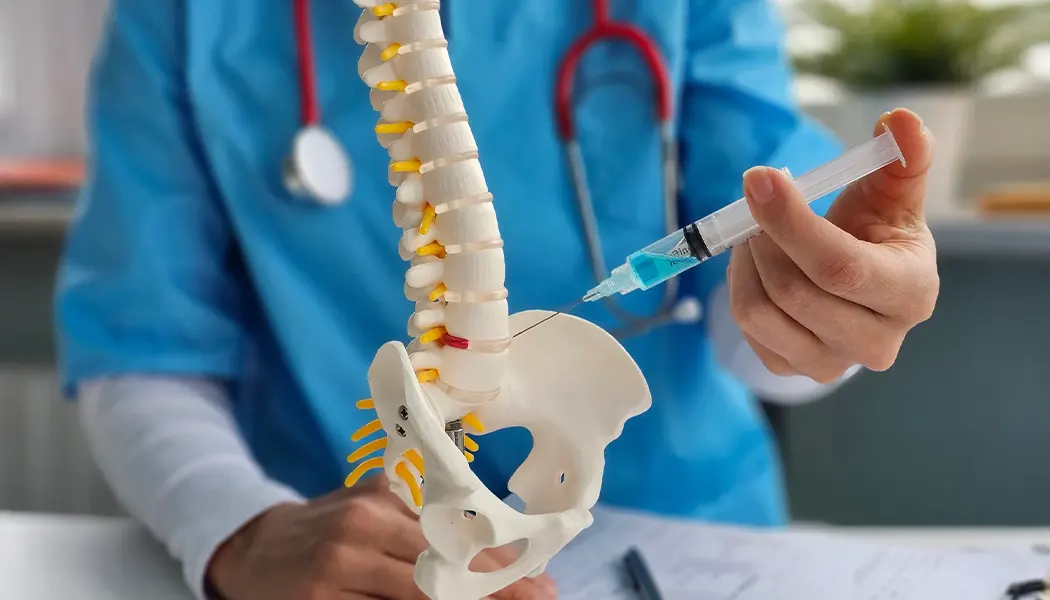
Targeted Care for Persistent Pain: Interventional Pain Management focuses on identifying the possible source of pain and using appropriate targeted procedures to manage symptoms when clinically indicated.
More Than Pain Medication Alone: Some pain conditions may not respond adequately to medication, rest, or conservative treatment alone. After proper assessment, a pain specialist may recommend an interventional procedure as part of a broader management plan.
Image-Guided Procedures: Depending on the procedure, imaging such as ultrasound, fluoroscopy, or other appropriate guidance may be used to improve accuracy when targeting a specific joint, nerve, spinal structure, or area of tissue.
Individualised Treatment Planning: Not every patient or pain condition requires an intervention. The choice of treatment depends on the diagnosis, severity of symptoms, previous treatment, medical history, examination findings, and expected benefits and risks.
Supporting Better Function: The goal is not only to manage pain but also to help suitable patients participate more comfortably in physiotherapy, exercise, daily activities, and functional rehabilitation.
How Does It Work?
Detailed Pain Assessment: The process begins with understanding the location, intensity, duration, pattern, and triggers of your pain, along with your medical history, previous treatments, medications, and how pain affects everyday activities.
Physical and Clinical Evaluation: A healthcare professional may assess movement, joint function, muscle strength, neurological signs, posture, and other relevant physical findings.
Identifying the Possible Pain Source: Depending on your symptoms, additional medical investigations or imaging may be considered to better understand the possible cause of pain and determine whether an interventional procedure is appropriate.
Personalised Treatment Planning: Based on the diagnosis and assessment, a qualified specialist discusses suitable treatment options, including conservative care, medication, rehabilitation, or appropriate interventional procedures.
Targeted Procedure When Indicated: If an intervention is recommended, the procedure may involve a carefully placed injection or another minimally invasive technique targeting a specific pain-generating structure or nerve pathway.
Post-Procedure Monitoring: Following a procedure, patients may be monitored and given appropriate instructions regarding activity, medication, warning signs, and follow-up care.
Rehabilitation and Functional Recovery: Where appropriate, pain management may be followed by physiotherapy and exercise to help improve mobility, strength, movement, and long-term physical function.
What Are The Various Types Of
Epidural Steroid Injections: In suitable patients, an injection may be placed into the epidural area around the spine to help manage certain types of spinal or nerve-related pain.
Facet Joint Injections: These targeted injections may be considered for suitable patients with pain suspected to arise from certain spinal facet joints.
Nerve Block Injections: A local anaesthetic, with or without other medication depending on the procedure, may be used to target specific nerves for diagnostic or therapeutic purposes.
Radiofrequency Ablation: In selected patients, radiofrequency energy may be used to affect targeted nerve pathways involved in transmitting pain signals.
Trigger Point Injections: Certain painful muscle areas or trigger points may be treated with targeted injections when clinically appropriate.
Ultrasound-Guided Joint Injections: Ultrasound guidance may be used to assist with accurate placement of an injection into or around an appropriate joint or soft tissue structure.
Platelet-Rich Plasma (PRP) Injections: In selected cases, a patient’s own platelet-rich plasma may be prepared and injected into an appropriate area as part of a treatment plan. Suitability and expected outcomes depend on the condition.
Spinal and Joint Pain Procedures: Depending on the diagnosis, other specialised procedures may be considered by a qualified pain specialist.
What Are The Conditions Treated?
Chronic Back Pain: Certain types of persistent back pain may be assessed to determine whether targeted pain management procedures are clinically appropriate.
Neck Pain: Persistent neck pain affecting movement and daily activities may require a detailed evaluation to identify possible pain-generating structures.
Sciatica and Nerve-Related Pain: Pain travelling from the back into the buttock or leg may have different causes and requires proper medical assessment before treatment planning.
Facet Joint Pain: Certain spinal joint conditions may contribute to localised back or neck pain and may be evaluated for appropriate interventions.
Joint Pain: Persistent pain affecting suitable joints, including the knee, shoulder, hip, or other joints, may be assessed for targeted treatment options.
Musculoskeletal Pain: Pain affecting muscles, ligaments, tendons, or other soft tissues may sometimes require a combination of rehabilitation and targeted pain management.
Post-Surgical Pain: Persistent pain after certain surgical procedures may require specialist assessment to identify the cause and consider appropriate management options.
Cancer-Related Pain: Certain cancer-related pain conditions may require specialised multidisciplinary pain management. Treatment planning depends on the individual’s diagnosis and medical care.
Who Can Benefit?
People with Persistent Pain: Individuals experiencing ongoing pain that significantly affects movement, sleep, work, exercise, or daily activities may benefit from a specialist pain assessment.
Patients Who Have Not Improved with Conservative Care: Suitable patients who continue to experience significant symptoms despite appropriate medication, physiotherapy, exercise, or other conservative management may be assessed for additional treatment options.
People with Nerve-Related Pain: Individuals experiencing certain types of radiating, burning, tingling, or nerve-related pain may require specialist evaluation.
People with Chronic Spinal Pain: Suitable patients with persistent neck or back pain may benefit from a detailed assessment to identify possible pain management options.
Patients with Joint-Related Pain: Certain patients with persistent joint pain may be evaluated to determine whether targeted procedures are appropriate.
People with Pain Limiting Rehabilitation: If pain is making it difficult to participate in appropriate physiotherapy or exercise, pain management may help selected patients better engage with their rehabilitation programme.
Post-Surgical Patients with Persistent Pain: Suitable individuals experiencing ongoing pain after surgery may benefit from specialist evaluation and a personalised management plan.
People Seeking a Multidisciplinary Approach: Patients who require a combination of medical pain management and physical rehabilitation may benefit from coordinated care.
Why Choose Pure Physio?
Comprehensive Pain Assessment: At Pure Physio, we consider your symptoms, physical limitations, medical history, and functional goals when supporting your pain management journey.
Personalised Treatment Planning: Every patient is different. Treatment recommendations are based on the underlying condition, clinical assessment, previous care, and individual needs.
Targeted Specialist Procedures: Where clinically appropriate, interventions are performed or recommended by qualified healthcare professionals using suitable techniques and guidance.
Integrated Physiotherapy and Rehabilitation: Managing pain is often only one part of recovery. We combine appropriate pain management with physiotherapy, exercise, and functional rehabilitation to support better long-term outcomes.
Focus on Function and Movement: Our goal is to help suitable patients not only manage symptoms but also work towards improved mobility, strength, confidence, and participation in everyday activities.
Step-by-Step Care Approach: We consider conservative management, rehabilitation, and appropriate specialist interventions based on what is clinically suitable for each individual.
Ongoing Recovery Support: Your progress can be monitored after treatment, with rehabilitation strategies adapted according to your symptoms, physical response, and functional goals.
Start Your Recovery Journey Today
Don’t let pain, stiffness, or reduced mobility affect your daily life. Get personalised physiotherapy care designed around your condition and recovery goals.