
Geriatric Physiotherapy
Specialised Geriatric Physiotherapy for Better Balance, Stronger Mobility & Greater Independence
Take the First Step Towards Better Movement
Our experienced physiotherapists are here to help you improve mobility, regain strength, and move with greater comfort and confidence.
As people age, changes in muscle strength, joint mobility, balance, bone health, and overall physical endurance can make everyday activities more difficult. At Pure Physio, our personalised geriatric physiotherapy programmes focus on helping seniors move safely, manage physical limitations, reduce the risk of falls, and maintain greater confidence and independence in daily life.
What Is It?
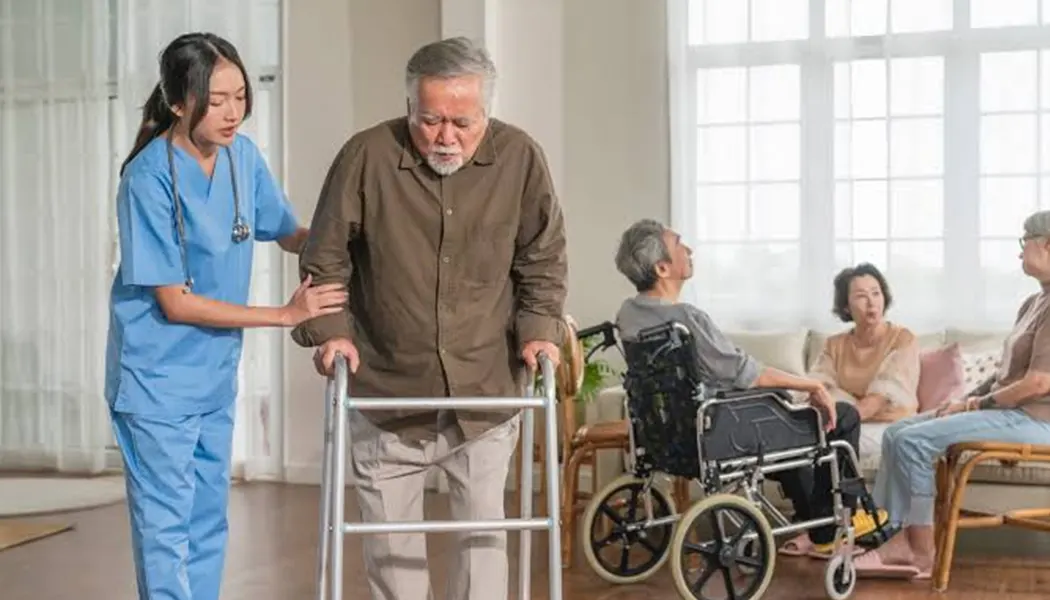
Specialised Physiotherapy for Older Adults: Geriatric Physiotherapy focuses on the physical needs and movement challenges commonly experienced by older adults. Treatment is personalised according to the individual’s health status, mobility level, medical history, lifestyle, and personal goals.
Focus on Mobility and Independence: The aim is to help older adults maintain or improve their ability to walk, stand, sit, climb stairs, move around the home, and perform everyday activities as independently and safely as possible.
Strength and Balance Training: Age-related changes, inactivity, illness, or surgery can contribute to muscle weakness and balance problems. Carefully selected exercises may help improve strength, stability, coordination, and confidence in movement.
Management of Age-Related Physical Problems: Physiotherapy may support suitable patients experiencing joint stiffness, arthritis-related limitations, reduced flexibility, postural changes, weakness, and other musculoskeletal concerns.
Personalised and Progressive Care: Every older adult has different physical abilities and health needs. Exercises and treatment techniques are adapted and progressed according to individual capacity, comfort, safety, and rehabilitation goals.
How Does It Work?
Detailed Initial Assessment: The physiotherapist begins by understanding the patient’s medical history, mobility level, physical limitations, previous falls, pain, daily activities, and personal rehabilitation goals.
Mobility and Movement Assessment: Walking, balance, posture, joint mobility, muscle strength, flexibility, coordination, and ability to perform functional movements may be assessed.
Identifying Individual Challenges: The assessment helps identify factors affecting independence, such as weakness, stiffness, reduced balance, fear of falling, pain, or difficulty performing everyday movements.
Personalised Treatment Plan: A rehabilitation programme is developed according to the patient’s physical condition, medical needs, activity level, and goals. Treatment may include exercise therapy, mobility training, strengthening, balance work, and other appropriate physiotherapy techniques.
Gradual Exercise Progression: Exercises are introduced at a level appropriate to the individual’s capacity and progressed gradually as strength, balance, mobility, and confidence improve.
Functional Movement Training: Therapy may focus on movements needed for everyday life, including standing up from a chair, walking, turning, reaching, climbing stairs, and moving safely around the home.
Ongoing Progress Monitoring: The patient’s physical function and response to treatment are monitored, allowing the physiotherapy programme to be adjusted according to changing needs and progress.
What Are The Various Types Of
Strength and Conditioning Exercises: Personalised exercises may help older adults maintain or improve muscle strength needed for walking, standing, lifting, and everyday activities.
Balance and Fall Prevention Training: Specific exercises may help improve stability, coordination, and confidence while standing and walking, supporting fall prevention strategies.
Mobility and Flexibility Training: Stretching and mobility exercises may help address joint stiffness and maintain a comfortable range of movement.
Gait and Walking Training: Physiotherapy may help assess walking patterns and provide suitable exercises or training to improve safety, confidence, and mobility.
Joint and Arthritis Management: Appropriate physiotherapy techniques and exercises may help suitable patients manage pain, stiffness, and movement limitations associated with arthritis and other joint conditions.
Post-Surgical Rehabilitation: Older adults recovering from appropriate surgeries may benefit from progressive physiotherapy to restore mobility, strength, balance, and everyday function.
Neurological Rehabilitation: Suitable older adults with neurological conditions affecting movement, balance, strength, or coordination may benefit from specialised physiotherapy.
Functional Independence Training: Rehabilitation may focus on improving the physical ability to perform important daily tasks as independently and safely as possible.
What Are The Conditions Treated?
Arthritis and Joint Stiffness: Joint pain, stiffness, and reduced mobility associated with arthritis and other age-related joint conditions may be managed with appropriate physiotherapy and exercise.
Balance Problems: Difficulty maintaining stability while standing, turning, or walking may increase the risk of falls and may benefit from a detailed physical assessment.
Reduced Mobility: Difficulty walking, getting out of bed, standing from a chair, climbing stairs, or moving around safely may be addressed through personalised rehabilitation.
Muscle Weakness: Age-related changes, prolonged inactivity, illness, or recovery after surgery can contribute to weakness and reduced physical capacity.
Post-Fall Rehabilitation: Physiotherapy may help suitable individuals recover mobility, strength, balance, and confidence following a fall and address factors that may contribute to future falls.
Osteoporosis-Related Physical Limitations: Suitable patients with osteoporosis may benefit from professionally guided exercises and movement strategies designed according to their individual safety requirements.
Post-Surgical Recovery: Following medical clearance, physiotherapy may support recovery after procedures such as joint replacement or other appropriate surgeries.
Neurological Conditions: Conditions affecting the nervous system may lead to weakness, reduced balance, coordination problems, and movement limitations requiring specialised rehabilitation.
Who Can Benefit?
Older Adults with Reduced Mobility: Seniors who find it difficult to walk, stand, bend, climb stairs, or move around comfortably may benefit from a personalised physiotherapy programme.
Individuals Experiencing Balance Problems: Those who feel unsteady, experience difficulty turning or walking, or are concerned about falling may benefit from balance and mobility training.
People Recovering from Surgery: Older adults recovering from suitable surgeries may benefit from progressive rehabilitation to restore movement, strength, and functional independence.
Individuals with Muscle Weakness: People experiencing weakness due to ageing, illness, inactivity, or prolonged bed rest may benefit from appropriately guided strengthening exercises.
People with Joint Pain or Stiffness: Arthritis-related discomfort and other joint problems can affect daily movement. Physiotherapy may help manage symptoms and improve physical function.
Individuals Recovering After a Fall: A fall can affect both physical ability and confidence. Rehabilitation may help suitable patients rebuild strength, mobility, balance, and confidence in movement.
Older Adults Seeking Greater Independence: Physiotherapy may support individuals who want to remain active, mobile, and capable of performing daily activities with greater confidence.
Caregivers and Families: Physiotherapy guidance may also help families and caregivers understand safe movement strategies, suitable exercises, and ways to support mobility and independence.
Why Choose Pure Physio?
Personalised Senior Care: At Pure Physio, every programme is adapted according to the individual’s physical ability, medical needs, lifestyle, mobility level, and personal goals.
Focus on Safety: We use an appropriate and gradual approach to exercise and rehabilitation, taking individual limitations and safety requirements into account.
Improve Everyday Independence: Our treatment focuses on practical movements that matter in daily life, helping patients work towards safer walking, standing, climbing stairs, and completing routine activities.
Strength and Balance-Focused Rehabilitation: We use suitable exercises and training to help older adults improve muscle strength, stability, mobility, and confidence.
Comprehensive Physiotherapy Approach: Depending on individual needs, treatment may combine exercise therapy, mobility work, balance training, hands-on techniques, gait training, and functional rehabilitation.
One-to-One Professional Guidance: Our physiotherapists provide individual attention, monitor progress, and adapt exercises according to the patient’s changing needs and physical capacity.
Support for Long-Term Mobility: Our goal is to help older adults maintain better movement, physical confidence, functional ability, and independence for as long as possible.
Start Your Recovery Journey Today
Don’t let pain, stiffness, or reduced mobility affect your daily life. Get personalised physiotherapy care designed around your condition and recovery goals.