Genu Varum
Get a personalised assessment at Pure Physio to support better strength, movement, balance, and functional mobility.
Contents
Take the First Step Towards Better Movement
Our experienced physiotherapists are here to help you improve mobility, regain strength, and move with greater comfort and confidence.
What is Genu Varum?
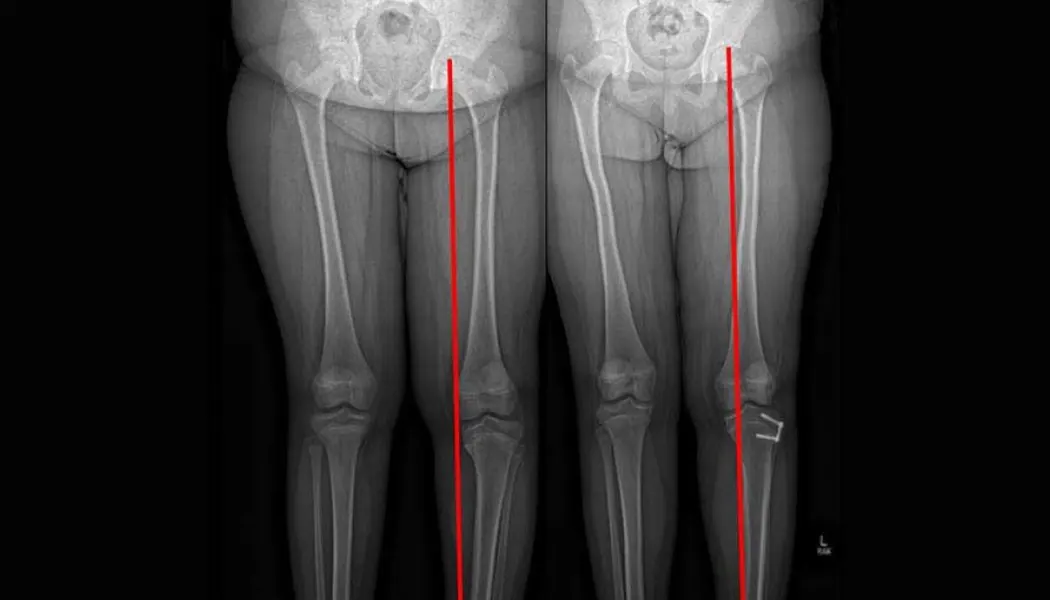
Genu Varum is an alignment pattern in which the knees remain farther apart while the ankles or feet are positioned close together. This creates an outward curve in the appearance of the legs and is commonly called bow legs.
In young children, genu varum can be a normal developmental variation. Many babies are born with some degree of bowing in their legs, and this often gradually improves as they begin standing and walking and their lower-limb alignment naturally changes with growth.
The significance of genu varum depends on several factors, including:
Age: Mild bowing may be normal in infants and young children but persistent bowing at later stages may need evaluation.
Severity: More pronounced outward angulation may require further assessment.
Symmetry: Normal developmental bowing is often similar on both sides. Significant differences between the two legs may be a concern.
Progression: Increasing bowing rather than gradual improvement should be assessed.
Symptoms: Pain, walking difficulties, instability, or reduced physical function may indicate the need for further evaluation.
Underlying Cause: In some cases, genu varum may be associated with bone development conditions, nutritional or metabolic disorders, previous injuries, growth abnormalities, or joint changes.
Genu varum may be a structural alignment difference involving the bones or may be influenced by movement patterns and joint mechanics. A proper assessment helps determine the nature of the alignment and whether treatment is required.
What Are The Symptoms Of Genu Varum?
Outward Curving of the Legs: The legs may appear bowed outward when standing.
Gap Between the Knees: When the ankles are placed together, the knees may remain separated.
Outward Knee Alignment: The knees may remain positioned farther away from the body’s midline.
Altered Walking Pattern: More pronounced bowing may affect the way a person walks or runs.
Knee Pain: Some individuals may experience discomfort, particularly around the inner part of the knee.
Hip or Ankle Discomfort: Changes in lower-limb alignment may influence how forces are distributed through the hips, knees, and ankles.
Difficulty During Physical Activity: Running, prolonged walking, climbing stairs, or sports activities may become uncomfortable in some cases.
Fatigue During Walking: Altered movement patterns may increase physical effort during prolonged activity.
Reduced Balance or Stability: Some individuals may experience reduced confidence or stability during standing and movement.
Uneven Shoe Wear: Changes in walking patterns may contribute to uneven wear on footwear.
Reduced Activity Participation: Pain, fatigue, or movement concerns may cause children or adults to avoid certain physical activities.
It is important to note that some people with genu varum have no pain or functional limitations.
What Are The Causes Of Genu Varum?
In Children
Normal Growth and Development: Mild bowing of the legs is common during infancy and early childhood and often improves naturally as the child grows.
Family or Genetic Factors: Inherited skeletal characteristics may influence leg alignment.
Blount Disease: A growth disorder affecting the upper part of the shinbone can cause progressive bowing of the leg.
Metabolic Bone Conditions: Certain conditions affecting bone growth or mineralisation can contribute to abnormal leg alignment.
Vitamin D Deficiency and Rickets: Severe deficiency affecting normal bone mineralisation can contribute to bone deformities.
Previous Growth Plate Injury: Damage to a growth plate can alter future bone growth and alignment.
Bone Infection or Other Bone Conditions: Rarely, conditions affecting bone growth may contribute to genu varum.
In Adolescents and Adults
Osteoarthritis: Degenerative changes, particularly affecting one side of the knee joint, can contribute to progressive bow-legged alignment.
Previous Knee Injury: Ligament, cartilage, meniscus, or bone injuries may affect knee alignment and joint loading.
Fracture Malalignment: A fracture that heals in an altered position may change the alignment of the leg.
Bone or Joint Disorders: Certain conditions affecting bone structure or joint health may contribute to genu varum.
Growth-Related Alignment Changes: Persistent skeletal alignment differences from childhood may continue into adulthood.
Muscle Weakness and Movement Factors: Weakness may contribute to dynamic changes in knee movement, although muscle weakness alone does not usually cause a fixed structural bow-leg deformity.
A proper assessment is important to identify whether genu varum is a normal developmental pattern or related to an underlying condition.
Diagnosis Of Genu Varum
Medical History: A healthcare professional will ask when the bowing was first noticed, whether it has changed over time, the presence of pain or walking difficulties, previous injuries, family history, and physical activity.
Physical Examination: The standing alignment of the hips, knees, ankles, and feet is assessed.
Intercondylar Distance Measurement: The distance between the knees may be measured while the ankles are positioned together.
Gait Assessment: Walking and, where appropriate, running patterns may be evaluated to understand how the legs move during activity.
Movement Assessment: Squatting, stepping, stair climbing, and other functional movements may be assessed.
Muscle Strength Assessment: The muscles around the hips, thighs, knees, and lower legs may be assessed for relevant weakness.
Balance and Coordination Assessment: Stability and lower-limb movement control may be evaluated where relevant.
Range of Motion Assessment: Movement at the hips, knees, ankles, and feet may be assessed.
X-Ray: X-rays may be recommended to assess bone alignment, joint structure, growth plates, or the severity of structural deformity.
Long-Leg Alignment X-Ray: Full-leg imaging may be used in selected cases to assess the mechanical alignment of the entire lower limb.
Further Medical Investigations: Blood tests or other investigations may be recommended when a metabolic, nutritional, or other medical cause is suspected.
Treatment Of Genu Varum
Treatment depends on the person’s age, severity of the bowing, symptoms, underlying cause, and functional limitations.
Observation and Monitoring: Mild genu varum in young children may only require observation because normal growth can gradually improve leg alignment.
Treatment of the Underlying Cause: If bowing is related to a nutritional, metabolic, bone, or other medical condition, treating the underlying cause is important.
Physiotherapy: A personalised rehabilitation programme may help suitable patients improve lower-limb strength, balance, movement control, and functional ability.
Strengthening Exercises: Exercises may target the hips, thighs, and lower-leg muscles to improve overall lower-limb function.
Movement Retraining: Physiotherapy may help improve lower-limb control during walking, squatting, stepping, running, and other activities.
Balance and Coordination Training: Appropriate exercises may help improve stability and confidence during movement.
Activity Modification: Activities may be adjusted when pain or significant functional difficulties are present.
Footwear and Orthotic Assessment: In selected cases, appropriate footwear advice or orthotic support may be recommended depending on the individual’s needs and professional assessment.
Bracing: Bracing may be considered in specific childhood conditions based on the underlying cause and specialist recommendations.
Surgical Treatment: Severe, progressive, or structurally significant genu varum may require orthopaedic assessment. Surgery may be considered in selected cases to guide bone growth in children or correct alignment in adolescents and adults.
What Is The Physiotherapy Treatment Of Genu Varum
Detailed Physiotherapy Assessment: At Pure Physio, treatment begins with assessing lower-limb alignment, walking pattern, joint mobility, muscle strength, balance, movement control, and functional limitations.
Hip Strengthening: Exercises may target relevant hip and pelvic muscles to improve lower-limb control during standing and movement.
Quadriceps Strengthening: Progressive exercises may help improve thigh strength and support functional activities such as walking, sitting, standing, and stair climbing.
Gluteal Muscle Training: Strengthening the gluteal muscles may help improve hip stability and lower-limb control during functional movements.
Core Strengthening: Appropriate exercises may improve trunk and pelvic control during movement.
Balance Training: Carefully selected exercises may help improve stability, body awareness, and confidence.
Movement Control Training: Therapy may focus on improving how the lower limbs move during squatting, stepping, walking, and other daily activities.
Gait Training: Where appropriate, physiotherapy may help improve walking efficiency, movement confidence, and functional mobility.
Running and Landing Training: Active individuals may receive appropriate guidance and exercises to improve lower-limb control during running, jumping, and landing.
Mobility and Flexibility Exercises: Where relevant, exercises may address movement restrictions affecting the hips, knees, ankles, or feet.
Functional Rehabilitation: Treatment is progressed towards activities that are important to the individual, including school, work, walking, exercise, and sports.
Home Exercise Programme: A personalised programme may be provided to support continued strengthening, balance, mobility, and movement practice between physiotherapy sessions.
Why Choose Pure Physio?
Detailed Individual Assessment: We assess leg alignment, movement patterns, joint mobility, muscle strength, balance, and functional ability to understand your individual needs.
Age-Appropriate Care: Treatment recommendations consider whether genu varum is a normal developmental variation or requires further medical assessment.
Personalised Rehabilitation: Exercise programmes are tailored according to age, symptoms, physical capacity, functional goals, and the underlying cause where known.
Focus on Movement and Function: Our approach aims to help suitable patients improve walking, strength, balance, coordination, and confidence during everyday activities.
Progressive Exercise-Based Care: Rehabilitation may include carefully progressed strengthening, mobility, balance, and movement-control exercises.
Support for Active Lifestyles: Treatment can be adapted around the physical demands of school, work, exercise, sports, and other meaningful activities.
Integrated Care Approach: Where significant structural alignment changes or an underlying medical condition requires specialist evaluation, physiotherapy can form part of a coordinated care plan with relevant paediatric, orthopaedic, or medical professionals.
Start Your Recovery Journey Today
Don’t let pain, stiffness, or reduced mobility affect your daily life. Get personalised physiotherapy care designed around your condition and recovery goals.