
Whiplash
Reduce neck pain, restore comfortable movement, and regain confidence in daily activities with personalised physiotherapy for whiplash.
Contents
Take the First Step Towards Better Movement
Our experienced physiotherapists are here to help you improve mobility, regain strength, and move with greater comfort and confidence.
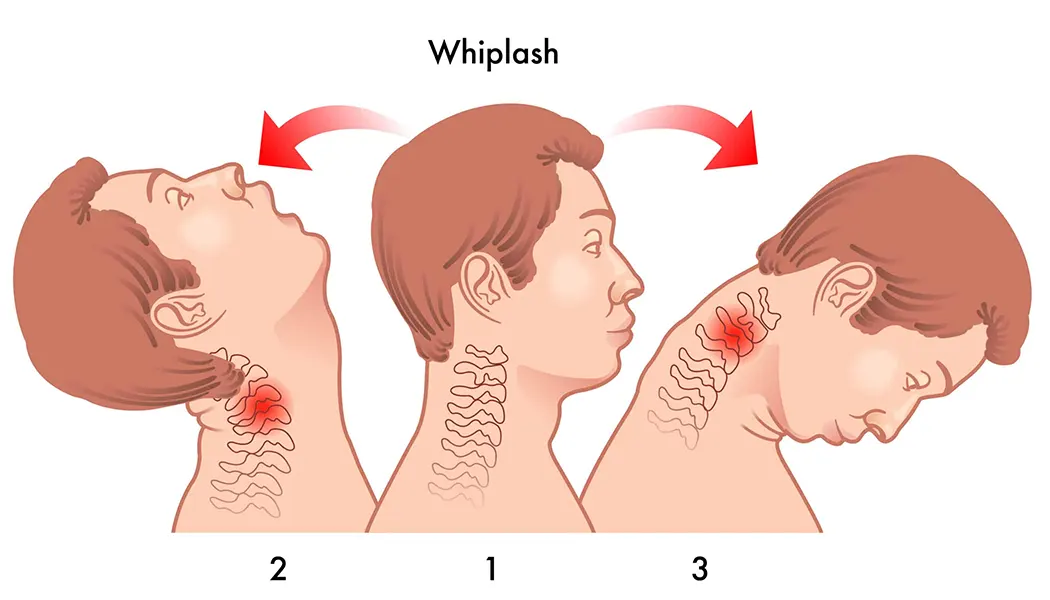
What is Whiplash?
Whiplash is a neck injury caused by a sudden and forceful back-and-forth movement of the head and neck, which can strain the muscles, ligaments, joints, and other soft tissues around the cervical spine. It commonly occurs during road traffic accidents, particularly rear-end collisions, but can also result from sports injuries, falls, or other sudden impacts. Symptoms may include neck pain and stiffness, headaches, shoulder pain, dizziness, and difficulty moving the neck. At Pure Physio, rehabilitation focuses on managing pain, restoring neck mobility, improving muscle strength and control, and helping you safely return to everyday activities.
Whiplash is an injury that occurs when the head and neck are suddenly forced into a rapid backward and forward movement, similar to the motion of a whip. This sudden movement can place stress on the muscles, ligaments, joints, discs, and other soft tissues of the cervical spine, which is the neck region of the spine. Whiplash is often referred to as a Whiplash-Associated Disorder (WAD) because symptoms can involve more than one structure and may affect the neck, shoulders, upper back, and head. The most common cause is a road traffic collision, especially a rear-end accident, although whiplash can also occur during contact sports, falls, or sudden impacts. Symptoms may develop immediately after the injury or may become more noticeable over the following hours or days.
What Are The Symptoms Of Whiplash?
Neck Pain: Pain or discomfort is commonly felt in the neck.
Neck Stiffness: Turning, bending, or moving the neck may become difficult.
Reduced Neck Movement: The range of motion may be limited due to pain or muscle guarding.
Headaches: Headaches, often beginning around the base of the skull, may occur.
Shoulder Pain: Pain may spread into the shoulders.
Upper Back Pain: Discomfort may occur between the shoulder blades or in the upper back.
Muscle Tightness: The neck and shoulder muscles may feel tense or tight.
Pain with Movement: Turning the head, looking up, or looking down may aggravate symptoms.
Dizziness: Some people may experience dizziness or a feeling of unsteadiness.
Fatigue: Ongoing pain and muscle tension can contribute to tiredness.
Arm Pain: Pain may sometimes travel into the shoulder or arm.
Tingling or Numbness: Altered sensation in the arms or hands can occur and should be appropriately assessed.
Difficulty Concentrating: Some individuals may experience difficulty focusing.
Sleep Disturbance: Neck pain may make it difficult to find a comfortable sleeping position.
Sensitivity to Movement: Normal movements may feel uncomfortable or cause apprehension after the injury.
Jaw Pain: Some individuals may experience jaw discomfort.
Symptoms vary significantly between individuals and may depend on the severity of the injury and the structures involved.
Severe neck pain after significant trauma, weakness, numbness that is worsening, difficulty walking, loss of coordination, severe or worsening headache, repeated vomiting, confusion, or loss of consciousness requires urgent medical assessment.
What Are The Causes Of Whiplash?
Whiplash occurs when a sudden force causes rapid movement of the head and neck beyond normal control.
Road Traffic Accidents: Rear-end collisions are a common cause.
Car Collisions: Sudden acceleration or deceleration can force the neck into rapid movement.
Sports Injuries: Contact sports or high-impact activities can cause sudden neck movements.
Falls: A fall can cause rapid movement of the head and neck.
Physical Impact: A sudden blow to the body or head may transfer force to the neck.
Amusement Ride Injuries: Sudden acceleration and deceleration forces may strain the neck.
Sudden Stops: Abrupt stopping during certain activities can cause rapid neck movement.
Workplace Accidents: Unexpected impacts or falls can result in whiplash injuries.
Several factors may influence symptoms and recovery, including the force of injury, previous neck problems, associated injuries, and individual physical and psychological factors.
Diagnosis Of Whiplash
Medical History: A healthcare professional will ask how the injury happened, when symptoms started, and whether you experienced symptoms such as dizziness, headache, numbness, or weakness.
Physical Examination: The neck, shoulders, and upper back are assessed for pain, tenderness, movement, and muscle function.
Range of Motion Assessment: Neck bending, turning, and other movements are evaluated carefully.
Neurological Examination: Strength, sensation, reflexes, coordination, and nerve function may be assessed when symptoms suggest nerve involvement.
Postural Assessment: Head, neck, and shoulder posture may be evaluated.
Functional Assessment: Activities such as driving, working, sleeping, lifting, and turning the head may be assessed.
X-Rays: X-rays may be used when a fracture or significant bony injury is suspected.
CT Scan: CT may be required after significant trauma to assess bony structures.
MRI: MRI may be considered when there are neurological symptoms or concern about discs, ligaments, the spinal cord, or other soft tissues.
Concussion Assessment: Following head trauma, a healthcare professional may assess for concussion when appropriate.
Imaging is not always required for uncomplicated whiplash but may be important when symptoms or the mechanism of injury suggest a more serious condition.
Treatment Of Whiplash
Treatment depends on the severity of the injury and the individual’s symptoms.
Medical Assessment: Significant injuries should first be assessed to rule out fractures, spinal cord injuries, or other serious conditions.
Early Gentle Movement: Prolonged immobilisation is generally avoided in uncomplicated cases, and gentle movement may be encouraged when medically appropriate.
Activity Modification: Temporarily reducing activities that significantly aggravate symptoms can help during the early stage.
Physiotherapy: A structured rehabilitation programme can help restore movement, strength, and function.
Pain Management: A doctor may recommend appropriate medication when required.
Heat Therapy: Heat may provide temporary relief from muscle stiffness for some individuals.
Cold Therapy: Cold may provide temporary pain relief shortly after an injury for some individuals.
Postural Advice: Guidance may help reduce unnecessary strain during sitting, working, and other activities.
Stress and Sleep Management: Managing sleep and other factors that influence pain and recovery may be helpful.
Gradual Return to Activity: Normal activities, work, exercise, and sports are gradually resumed according to symptoms and recovery.
Specialist Referral: Persistent neurological symptoms or other concerning findings may require further specialist assessment.
Recovery time varies. While many people improve within weeks, some experience symptoms for longer and may require a more comprehensive rehabilitation approach.
What Is The Physiotherapy Treatment Of Whiplash
Detailed Assessment: At Pure Physio, we assess your neck pain, movement, muscle strength, posture, headaches, balance, functional limitations, and relevant injury history.
Pain-Guided Rehabilitation: Exercises and activities are adjusted according to your symptoms and recovery stage.
Gentle Neck Mobility Exercises: Controlled movements help gradually restore comfortable neck motion.
Deep Neck Muscle Training: Specific exercises may improve the strength and endurance of muscles that support the cervical spine.
Neck Strengthening: Progressive exercises help rebuild strength and movement confidence.
Shoulder and Upper Back Strengthening: Exercises target the muscles supporting the shoulders and upper spine.
Postural Training: We provide practical guidance on comfortable head, neck, and upper-body positioning during daily activities.
Scapular Strengthening: Exercises improve control and support around the shoulder blades.
Movement Re-Education: Rehabilitation helps improve confidence and control during turning, looking up, looking down, and other everyday movements.
Manual Therapy: Appropriate hands-on techniques may be used as part of an overall rehabilitation programme when clinically suitable.
Soft-Tissue Techniques: Selected techniques may help manage muscle tightness when appropriate.
Headache Management Strategies: When headaches are related to neck dysfunction, rehabilitation may address contributing movement and muscle factors.
Balance and Dizziness Rehabilitation: Suitable exercises may be considered when dizziness is assessed and appropriate for physiotherapy management.
Functional Rehabilitation: Therapy focuses on activities such as working, driving, sleeping, exercising, and other daily tasks.
Gradual Activity Progression: Exercises and activities are progressively increased as movement, strength, and confidence improve.
Home Exercise Programme: A personalised programme supports continued recovery between physiotherapy sessions.
Education and Self-Management: We provide guidance on activity, posture, movement, pacing, and strategies for managing symptoms.
Progress Monitoring: Your programme is reviewed and adjusted according to changes in pain, movement, strength, and daily function.
Why Choose Pure Physio?
Detailed Neck Assessment: We assess your pain, neck movement, muscle function, posture, headaches, and daily limitations.
Personalised Rehabilitation Plans: Your treatment is adapted to your injury, symptoms, recovery stage, lifestyle, and goals.
Focus on Restoring Comfortable Movement: Rehabilitation aims to help you regain neck mobility and confidence in everyday movement.
Strength and Control Recovery: Exercises focus on rebuilding the strength and endurance of the neck, shoulder, and upper-back muscles.
Posture and Movement Guidance: We provide practical support for managing neck position and movement during work and daily activities.
Pain-Guided Exercise Progression: Your programme progresses according to your symptoms and physical response.
Functional Recovery Focus: Treatment targets activities that matter to you, including driving, working, sleeping, exercising, and daily movement.
Support for Persistent Symptoms: Rehabilitation can be adapted for individuals experiencing longer-lasting pain, stiffness, or movement difficulties.
Balance and Coordination Support: When appropriate, rehabilitation addresses related balance or movement-control difficulties.
Regular Progress Monitoring: Your treatment plan is reviewed and adjusted throughout your recovery.
Integrated Care Approach: When imaging, medical assessment, neurological evaluation, or specialist treatment is required, we support rehabilitation as part of a coordinated care plan.
Focused on Confident Recovery: Our goal is to help you reduce the impact of whiplash symptoms, restore movement and strength, and safely return to the activities that matter to you.
Start Your Recovery Journey Today
Don’t let pain, stiffness, or reduced mobility affect your daily life. Get personalised physiotherapy care designed around your condition and recovery goals.