
Wartenberg’s Syndrome
Get a personalised assessment at Pure Physio to identify the cause and support better comfort and hand function.
Contents
Take the First Step Towards Better Movement
Our experienced physiotherapists are here to help you improve mobility, regain strength, and move with greater comfort and confidence.
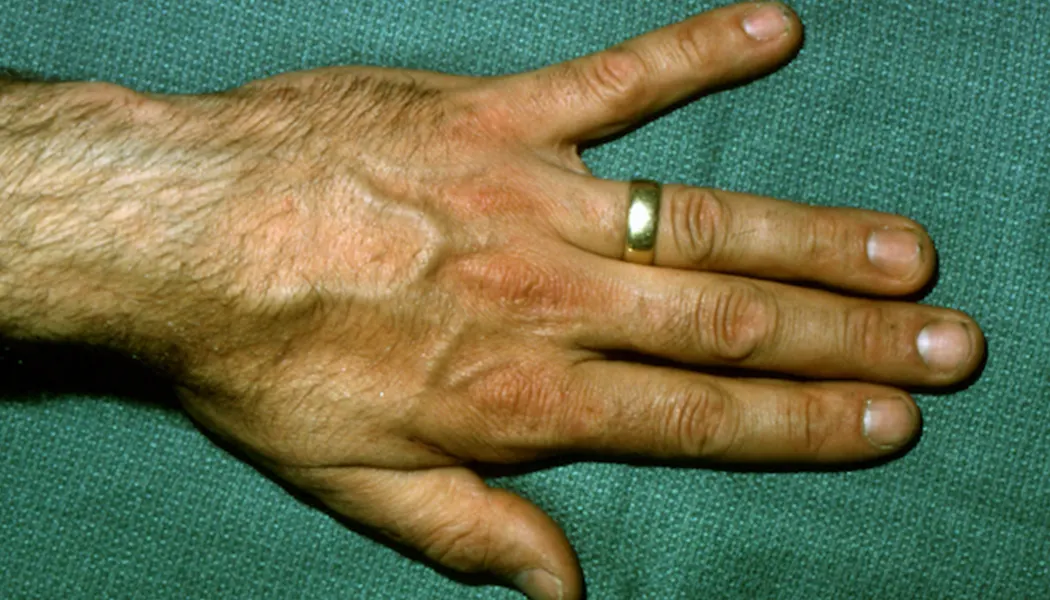
What is Wartenberg’s Syndrome?
Wartenberg’s Syndrome is a nerve compression condition affecting the superficial radial nerve.
The radial nerve travels from the upper arm into the forearm, where it divides into different branches. One of these branches, the superficial branch of the radial nerve, travels toward the wrist and hand.
This nerve is mainly responsible for providing sensation to areas such as:
The Back of the Thumb
The Thumb-Side of the Back of the Hand
Part of the Back of the Index Finger
Part of the Back of the Hand Near the Thumb
Near the wrist, the superficial radial nerve lies relatively close to the skin. Because of its position, it can become irritated by direct pressure, repetitive movements, tight accessories, injury, or other causes of compression.
When the nerve is compressed or irritated, it can produce symptoms such as pain, burning, tingling, numbness, or hypersensitivity. This condition is known as Wartenberg’s Syndrome or Cheiralgia Paresthetica.
Unlike injuries affecting the deeper motor branch of the radial nerve, Wartenberg’s Syndrome primarily affects sensation rather than muscle movement. Therefore, significant weakness or wrist drop is not usually a typical feature of this condition.
A proper assessment is important because pain and tingling around the wrist and thumb can also occur due to other conditions, including tendon disorders, cervical nerve problems, or other peripheral nerve conditions.
What Are The Symptoms Of Wartenberg’s Syndrome?
Burning Pain: A burning or sharp sensation may occur around the thumb side of the wrist or the back of the hand.
Tingling or Pins and Needles: Tingling sensations may be felt around the thumb and nearby areas of the hand.
Numbness: Reduced sensation may occur on the back of the thumb or thumb-side of the hand.
Increased Sensitivity: The skin may become unusually sensitive to touch, pressure, or clothing.
Pain from Light Contact: Even light pressure from a watch, bracelet, tight clothing, or other contact may trigger discomfort.
Pain Around the Wrist: Symptoms may be felt near the outer or thumb-side of the wrist.
Pain During Wrist Movement: Certain wrist positions or movements may increase nerve irritation.
Symptoms During Forearm Rotation: Turning the palm up or down may aggravate symptoms in some individuals.
Pain During Repetitive Hand Activities: Repeated gripping, twisting, lifting, or hand movements may increase discomfort.
Electric or Shooting Sensations: Some individuals may experience sudden nerve-like sensations travelling toward the thumb or hand.
Hypersensitivity: The affected area may feel excessively sensitive compared with the opposite hand.
Difficulty with Daily Activities: Holding objects, typing, lifting, twisting lids, using tools, or wearing accessories may become uncomfortable.
What Are The Causes Of Wartenberg’s Syndrome?
Direct Compression: Pressure over the superficial radial nerve near the wrist may cause irritation.
Tight Watches or Bracelets: Tight accessories around the wrist can place pressure on the nerve.
Tight Clothing or Straps: Clothing, bands, or equipment that repeatedly compress the wrist area may contribute to symptoms.
Repetitive Wrist Movements: Repeated hand and wrist activities may irritate the nerve in some individuals.
Repetitive Forearm Rotation: Frequent pronation and supination movements may contribute to symptoms.
Trauma or Direct Injury: A blow, fall, cut, or other injury near the wrist or forearm may affect the nerve.
Scar Tissue: Previous injury or surgery may occasionally lead to scar tissue that affects nerve movement or sensitivity.
External Pressure: Repeated pressure from tools, equipment, or prolonged positioning may irritate the nerve.
Swelling: Local swelling around the wrist or forearm may increase pressure on nearby structures.
Associated Wrist or Tendon Conditions: In some cases, inflammation or nearby soft tissue conditions may contribute to irritation of the nerve.
The symptoms may develop gradually from repeated irritation or appear after a specific injury or period of pressure.
Diagnosis Of Wartenberg’s Syndrome
Medical History: A healthcare professional will ask about when symptoms began, the location of numbness or tingling, recent injuries, repetitive activities, tight accessories, work demands, and factors that aggravate or relieve symptoms.
Physical Examination: The wrist, forearm, hand, and surrounding areas are assessed for tenderness, sensitivity, movement, and sensory changes.
Sensory Assessment: The areas supplied by the superficial radial nerve may be tested for reduced or altered sensation.
Nerve Provocation Testing: Gentle examination over the nerve may reproduce tingling or other symptoms in some individuals.
Movement Assessment: Wrist, thumb, and forearm movements may be assessed to identify positions that affect symptoms.
Assessment of Grip and Hand Function: Hand use, gripping, lifting, and other functional activities may be evaluated.
Strength Testing: Muscle strength may be assessed to help distinguish Wartenberg’s Syndrome from conditions involving motor nerve impairment.
Nerve Conduction Studies: In selected cases, nerve conduction testing may help assess nerve function, although results can sometimes be normal in mild or intermittent compression.
Ultrasound: Ultrasound may be considered to assess the superficial nerve and nearby structures.
MRI: MRI may be used in selected cases when another structural cause is suspected.
Assessment for Other Conditions: A healthcare professional may consider other possible causes of thumb and wrist symptoms, including De Quervain’s tenosynovitis, cervical radiculopathy, radial nerve injury, or other nerve compression conditions.
Treatment Of Wartenberg’s Syndrome
Avoiding External Compression: Reducing pressure from tight watches, bracelets, straps, or equipment may help minimise nerve irritation.
Activity Modification: Temporarily modifying repetitive movements or activities that significantly aggravate symptoms may support recovery.
Physiotherapy: A personalised rehabilitation programme may help suitable patients manage symptoms, improve movement, and gradually restore tolerance to everyday activities.
Nerve Mobility Exercises: Where clinically appropriate, carefully selected nerve mobility exercises may be used to help improve comfortable nerve movement.
Wrist and Forearm Rehabilitation: Exercises may help maintain or improve mobility and functional movement.
Pain Management: A qualified healthcare professional may recommend appropriate medication or other treatments when required.
Splinting: In selected cases, temporary support or splinting may be recommended by an appropriately qualified professional.
Manual Therapy: Where clinically appropriate, hands-on techniques may be used as part of a broader treatment programme.
Ergonomic and Activity Advice: Changes to work tasks, equipment, hand positions, or repetitive activities may help reduce repeated nerve irritation.
Injection Treatment: In selected persistent cases, a qualified medical specialist may consider an appropriate injection.
Surgical Treatment: Surgery is rarely required but may be considered in selected cases involving persistent symptoms and confirmed nerve compression that does not respond to appropriate conservative management.
What Is The Physiotherapy Treatment Of Wartenberg’s Syndrome
Detailed Physiotherapy Assessment: At Pure Physio, treatment begins by understanding your symptoms, sensory changes, wrist and forearm movement, activity demands, hand function, and possible sources of nerve irritation.
Symptom and Load Management: Your physiotherapist may help identify activities, movements, positions, or external pressures that aggravate symptoms and guide appropriate modifications.
Nerve Mobility Techniques: Carefully selected neural mobility exercises may be introduced when clinically appropriate and tolerated.
Wrist Mobility Exercises: Appropriate exercises may help maintain comfortable movement at the wrist.
Forearm Mobility Training: Exercises may address movement during forearm rotation when relevant to the individual’s symptoms.
Hand and Grip Rehabilitation: As symptoms allow, exercises may help maintain or improve grip strength and functional hand use.
Soft Tissue and Manual Therapy: Where appropriate, hands-on techniques may be used to address relevant soft tissue restrictions or movement limitations.
Desensitisation Techniques: For significant sensitivity to touch, gradual desensitisation strategies may help improve tolerance to everyday contact.
Ergonomic Guidance: Advice may be provided regarding workstations, tools, repetitive tasks, wrist positioning, and other daily activities.
Progressive Return to Activity: Hand and wrist activities are gradually increased according to symptom response and functional capacity.
Home Exercise Programme: A personalised programme may be provided to support appropriate mobility, nerve movement, and functional recovery between sessions.
Why Choose Pure Physio?
Detailed Individual Assessment: We assess your symptoms, sensory changes, movement, hand function, activity demands, and potential sources of nerve irritation.
Personalised Treatment Plans: Every person’s symptoms and daily demands are different. Your rehabilitation programme is tailored according to your individual needs and goals.
Focus on Nerve and Functional Health: Our approach considers appropriate nerve mobility, movement, strength, sensitivity, and practical hand function.
Activity-Specific Rehabilitation: Treatment can be adapted around your work, hobbies, sports, and everyday hand activities.
Practical Self-Management Guidance: We provide advice on reducing unnecessary nerve compression, modifying aggravating activities, and progressively returning to normal function.
Progressive Exercise-Based Care: Rehabilitation is adapted and progressed according to your symptoms, physical capacity, and recovery goals.
Integrated Care Approach: Where further medical investigation, nerve testing, imaging, injections, or specialist treatment is required, physiotherapy can form part of a coordinated care plan focused on your individual recovery.
Start Your Recovery Journey Today
Don’t let pain, stiffness, or reduced mobility affect your daily life. Get personalised physiotherapy care designed around your condition and recovery goals.