Varicose Veins
Manage discomfort, improve lower-limb function, and stay active with personalised physiotherapy support for Varicose Veins.
Contents
Take the First Step Towards Better Movement
Our experienced physiotherapists are here to help you improve mobility, regain strength, and move with greater comfort and confidence.
What is Varicose Veins?
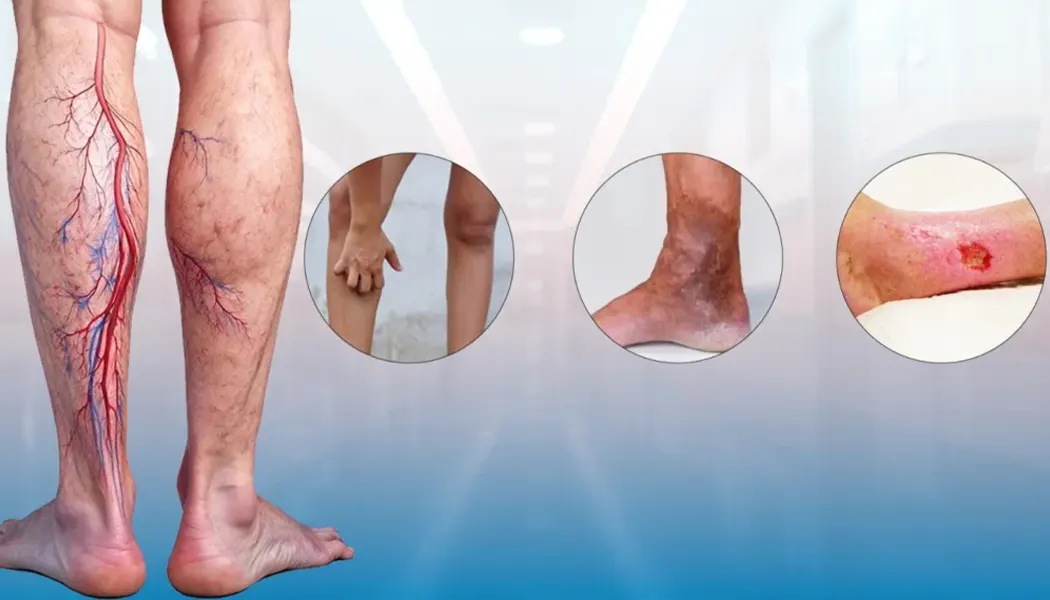
Varicose Veins are enlarged veins that become visible beneath the skin, most commonly in the legs. Healthy leg veins contain small valves that help blood flow back towards the heart against gravity.
When these valves become weakened or do not close properly, blood can flow backwards and collect within the vein. This increases pressure and may cause the vein to become enlarged, stretched, and twisted.
Varicose veins can vary in appearance and severity. They may appear as:
Bulging Veins: Enlarged veins that protrude above the skin.
Twisted or Rope-Like Veins: Veins may have a winding or irregular appearance.
Blue or Dark Purple Veins: The affected veins may become clearly visible beneath the skin.
Multiple Affected Veins: More than one vein may become enlarged.
While varicose veins are common and may be mainly a cosmetic concern for some people, others can experience significant symptoms or develop complications related to chronic venous disease.
What Are The Symptoms Of Varicose Veins?
Common Symptoms
Visible Enlarged Veins: Blue, purple, twisted, or bulging veins may be seen beneath the skin.
Aching or Pain: The legs may feel sore or uncomfortable.
Feeling of Heaviness: The legs may feel tired or heavy, especially after prolonged standing.
Leg Swelling: Swelling may occur around the ankles and lower legs.
Throbbing or Burning: Some people experience throbbing, burning, or pulsating discomfort.
Muscle Cramping: Leg cramps, particularly at night, may occur.
Other Possible Symptoms
Itching: The skin around affected veins may feel itchy.
Restlessness in the Legs: The legs may feel uncomfortable after long periods of inactivity.
Symptoms Worse After Standing: Prolonged standing can increase pressure within the leg veins.
Symptoms Worse Later in the Day: Discomfort and swelling may become more noticeable by the evening.
Skin Changes: Long-term venous problems can cause changes in skin colour or texture around the lower legs and ankles.
Dry or Irritated Skin: Skin around the affected area may become irritated.
Leg Ulcers: In severe chronic venous disease, wounds may develop around the lower leg or ankle and require medical treatment.
Bleeding from a Vein: An injured varicose vein can occasionally bleed heavily and requires prompt first aid and medical attention.
What Are The Causes Of Varicose Veins?
Varicose veins develop when increased pressure and valve dysfunction affect blood flow within the veins.
Weak or Damaged Vein Valves: Poorly functioning valves allow blood to flow backwards and pool within the veins.
Family History: Genetics can increase the likelihood of developing varicose veins.
Increasing Age: Vein walls and valves can become less effective over time.
Prolonged Standing: Jobs or activities involving long periods of standing may increase pressure in the leg veins.
Prolonged Sitting: Long periods without movement can reduce the activity of the calf muscles that help support blood return.
Pregnancy: Hormonal and physical changes during pregnancy can increase pressure on the leg veins.
Higher Body Weight: Increased body weight may place additional pressure on the veins.
Previous Blood Clot or Vein Damage: Damage to deep veins can affect blood flow and valve function.
Reduced Physical Activity: Limited movement can reduce regular calf muscle activity.
Hormonal Factors: Certain hormonal changes may affect vein walls and valve function.
Diagnosis Of Varicose Veins
Medical History: A healthcare professional will ask about your symptoms, family history, previous vein problems, and factors that may affect circulation.
Physical Examination: The legs are examined for enlarged veins, swelling, skin changes, tenderness, and signs of chronic venous disease.
Standing Examination: Veins may be assessed while standing because they can become more visible when blood pools in the legs.
Circulation Assessment: Healthcare professionals may assess pulses and other aspects of lower-limb circulation.
Duplex Ultrasound: This is commonly used to assess blood flow within the veins and determine whether the vein valves are allowing backward flow, known as venous reflux.
Assessment for Other Conditions: Other causes of leg pain or swelling may need to be considered, including deep vein thrombosis, lymphoedema, and other circulatory or musculoskeletal conditions.
Treatment Of Varicose Veins
Treatment depends on symptoms, the severity of vein disease, the presence of complications, and individual health factors.
Regular Movement: Frequent movement and walking can activate the calf muscles and support normal lower-limb function.
Exercise: Appropriate physical activity can support general circulation, muscle strength, and overall health.
Avoiding Prolonged Immobility: Taking regular movement breaks during long periods of sitting or standing may help manage symptoms.
Leg Elevation: Elevating the legs may help reduce swelling and heaviness for some people.
Weight Management Support: Achieving and maintaining a healthy body weight may help reduce pressure on the lower limbs when appropriate.
Compression Therapy: Compression stockings may be recommended by a qualified healthcare professional for selected individuals. They should be used according to appropriate medical advice, particularly when arterial circulation problems are present.
Medical Procedures: Symptomatic or significant varicose veins may be treated using procedures such as endovenous ablation, sclerotherapy, or surgery, depending on the type and severity of vein disease.
Treatment of Skin Changes or Ulcers: Skin complications and venous ulcers require appropriate medical management.
Specialist Referral: A vascular specialist may assess persistent symptoms, significant vein disease, or complications.
What Is The Physiotherapy Treatment Of Varicose Veins
Physiotherapy does not remove or cure damaged vein valves, but it can support lower-limb strength, mobility, physical activity, and symptom management as part of an overall care plan.
Detailed Assessment: At Pure Physio, we assess lower-limb movement, muscle strength, walking ability, balance, activity levels, and how symptoms affect your daily activities.
Individualised Exercise Programme: Your programme is tailored according to your symptoms, physical ability, activity level, and overall health.
Walking Programme: Regular walking may help activate the calf muscles and support lower-limb function.
Calf Muscle Strengthening: Exercises strengthen the calf muscles, which play an important role in helping move blood back through the veins during movement.
Ankle Mobility Exercises: Controlled ankle movement helps maintain mobility and activate the lower-leg muscles.
Foot Exercises: Exercises can support movement and muscle activity in the feet and lower legs.
Lower-Limb Strengthening: Progressive exercises may strengthen the thighs, hips, and other muscles needed for comfortable daily movement.
Gentle Cardiovascular Exercise: Suitable activities may help maintain fitness and support an active lifestyle.
Balance Training: Exercises can improve stability and confidence during standing and walking.
Movement Break Guidance: We provide practical strategies for incorporating regular movement into your daily routine.
Workplace Activity Advice: Guidance may help people whose jobs involve prolonged sitting or standing.
Activity and Load Management: We help you find an appropriate balance between activity, exercise, and recovery.
Education: You receive practical information about staying active and recognising when symptoms require medical assessment.
Home Exercise Programme: A personalised programme supports regular movement and strengthening between appointments.
Progress Monitoring: Your programme is reviewed and adjusted according to your symptoms, mobility, strength, activity tolerance, and functional progress.
Why Choose Pure Physio?
Comprehensive Lower-Limb Assessment: We assess movement, strength, walking ability, balance, activity levels, and functional limitations.
Personalised Exercise Plans: Your programme is tailored according to your symptoms, physical ability, lifestyle, and activity goals.
Focus on Staying Active: We help you maintain safe and appropriate physical activity.
Improve Calf Muscle Function: Targeted exercises strengthen the calf muscles and support healthy lower-limb movement.
Improve Mobility: Carefully selected exercises help maintain ankle, knee, and hip movement.
Build Lower-Limb Strength: Progressive strengthening supports comfortable standing, walking, and everyday activity.
Improve Walking Confidence: Rehabilitation can help improve walking ability, endurance, and movement efficiency.
Practical Movement Strategies: We provide guidance for managing long periods of sitting or standing.
Workplace and Lifestyle Support: Advice is tailored to the physical demands of your daily routine.
Safe Exercise Progression: Your programme is adjusted according to your symptoms, physical ability, and progress.
Home Exercise Guidance: You receive a personalised programme to support regular movement outside your appointments.
Regular Progress Monitoring: Your exercise programme is reviewed and adapted according to changes in symptoms, mobility, strength, and activity tolerance.
Integrated Care Approach: We encourage appropriate collaboration with doctors, vascular specialists, and other healthcare professionals when required.
Focused on Overall Lower-Limb Health: Our goal is to support comfortable movement, improve strength and mobility, encourage regular physical activity, and help you maintain an active and independent lifestyle.
Start Your Recovery Journey Today
Don’t let pain, stiffness, or reduced mobility affect your daily life. Get personalised physiotherapy care designed around your condition and recovery goals.