
Urinary Incontinence
Take control of bladder leaks with personalised assessment, expert guidance, and pelvic floor rehabilitation designed to support your confidence and daily life.
Contents
Take the First Step Towards Better Movement
Our experienced physiotherapists are here to help you improve mobility, regain strength, and move with greater comfort and confidence.
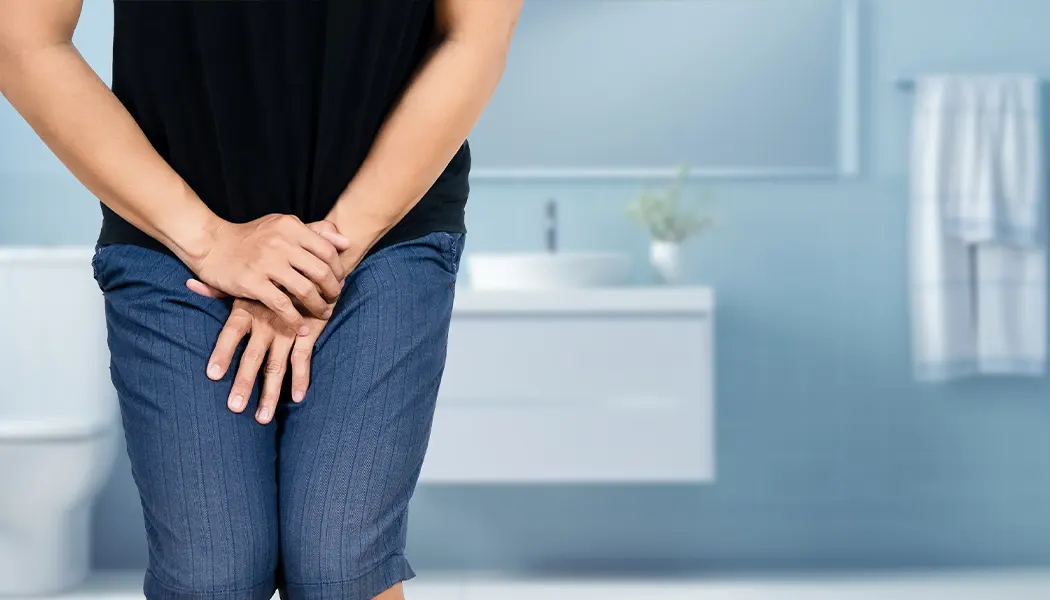
What is Urinary Incontinence?
Urinary Incontinence means losing urine when you do not intend to urinate. It occurs when bladder storage or emptying is not functioning normally, or when the muscles and nerves involved in bladder control are affected.
The urinary system involves the:
Kidneys: Produce urine.
Bladder: Stores urine until it is appropriate to pass it.
Pelvic Floor Muscles: Help support the bladder and assist with bladder control.
Urethra: The tube through which urine leaves the body.
Nerves and Brain: Help control bladder filling, sensation, and the timing of urination.
Urinary continence depends on these systems working together effectively. Problems affecting the bladder, pelvic floor, nerves, urinary tract, or other structures can lead to leakage.
Stress Urinary Incontinence
Leakage occurs when pressure inside the abdomen increases, such as during coughing, sneezing, laughing, lifting, running, or jumping.
Urge Urinary Incontinence
A sudden, strong urge to urinate is followed by involuntary leakage before reaching the toilet.
Overflow Incontinence
The bladder does not empty properly and may become overly full, causing frequent dribbling or leakage.
Mixed Urinary Incontinence
A person experiences symptoms of more than one type, commonly both stress and urge incontinence.
Functional Incontinence
A person may have difficulty reaching or using the toilet in time due to mobility, cognitive, or environmental barriers.
A proper assessment helps identify the type of urinary incontinence and determine the most appropriate treatment.
What Are The Symptoms Of Urinary Incontinence?
Involuntary Urine Leakage: Urine leaks without voluntary control.
Leakage During Coughing or Sneezing: This is commonly associated with stress urinary incontinence.
Leakage During Laughing: Increased abdominal pressure may trigger urine loss.
Leakage During Exercise: Running, jumping, lifting, or high-impact activities may cause leakage.
Sudden Strong Urge to Urinate: A sudden need to reach the toilet immediately may occur.
Leakage Before Reaching the Toilet: Urine may leak because the urge is difficult to control.
Frequent Urination: Some people may need to urinate more often than usual.
Waking at Night to Urinate: Repeatedly waking to pass urine may occur.
Difficulty Holding Urine: It may be difficult to delay urination after feeling the urge.
Frequent Small Amounts of Urine: Some individuals may pass small amounts frequently.
Constant or Frequent Dribbling: This can occur when the bladder does not empty properly.
Feeling of Incomplete Emptying: The bladder may still feel full after urinating.
Difficulty Starting Urination: There may be a delay before urine flow begins.
Reduced Confidence: Fear of leakage may lead to avoiding travel, exercise, work, or social activities.
Skin Irritation: Frequent exposure to urine may irritate the surrounding skin.
What Are The Causes Of Urinary Incontinence?
Pelvic Floor Muscle Weakness: Reduced strength or coordination of the pelvic floor muscles may contribute to bladder leakage.
Pregnancy: Hormonal and physical changes can place additional pressure on the bladder and pelvic floor.
Childbirth: Pregnancy and vaginal delivery may affect the pelvic floor muscles, nerves, and supporting tissues.
Menopause: Hormonal changes can affect tissues around the urinary tract and pelvic floor.
Ageing: Changes in muscle strength, bladder capacity, and other body systems may contribute to incontinence.
Obesity: Increased pressure on the pelvic floor and bladder may increase the likelihood of leakage.
Chronic Coughing: Repeated increases in abdominal pressure can place stress on the pelvic floor.
High-Impact Physical Activities: Repeated jumping or high-impact exercise may contribute to symptoms in some individuals.
Overactive Bladder: Increased bladder urgency and involuntary bladder contractions may cause urge incontinence.
Urinary Tract Infection: A UTI may temporarily cause urgency, frequency, or leakage.
Constipation: Persistent constipation can affect pelvic floor function and bladder symptoms.
Neurological Conditions: Conditions affecting the brain, spinal cord, or nerves can interfere with bladder control.
Prostate Conditions or Treatment: Prostate surgery or other treatment can affect urinary control in some men.
Pelvic Surgery: Certain surgical procedures may affect pelvic support, muscles, or nerves.
Medications: Some medicines may increase urine production or affect bladder function.
Bladder Outlet Obstruction: Conditions that interfere with bladder emptying may contribute to overflow symptoms.
The cause can vary from person to person, and some individuals have more than one contributing factor.
Diagnosis Of Urinary Incontinence
Medical History: A healthcare professional will ask about the pattern of leakage, urgency, frequency, fluid intake, medical history, medications, pregnancy and childbirth history where relevant, surgeries, and other symptoms.
Bladder Diary: You may be asked to record fluid intake, urination times, leakage episodes, and triggers over several days.
Physical Examination: An appropriate healthcare professional may assess the abdomen, pelvic region, mobility, and other relevant areas.
Pelvic Floor Assessment: A qualified pelvic health professional may assess pelvic floor muscle strength, endurance, coordination, and relaxation, with informed consent.
Urine Testing: A urine test may help identify infection, blood, glucose, or other abnormalities.
Post-Void Residual Assessment: The amount of urine remaining in the bladder after urination may be measured when incomplete emptying is suspected.
Bladder Scan: An ultrasound-based scan may be used to assess bladder volume and residual urine.
Urodynamic Testing: In selected cases, specialised testing may assess bladder storage and emptying function.
Cystoscopy: A doctor may recommend examination of the bladder and urethra in certain situations.
Neurological Assessment: Further assessment may be required when a nerve-related cause is suspected.
Referral to a Specialist: Urology, urogynecology, gynaecology, or other specialist assessment may be recommended depending on the symptoms and underlying cause.
Treatment Of Urinary Incontinence
Treatment depends on the type, severity, cause, and individual circumstances.
Pelvic Floor Muscle Training: Guided exercises may help improve pelvic floor strength, endurance, coordination, and control.
Bladder Training: Structured techniques may help improve the ability to delay urination and manage urgency.
Lifestyle Changes: Adjustments to fluid intake patterns, caffeine or alcohol consumption, and other bladder irritants may be recommended where appropriate.
Weight Management: Weight reduction may help reduce symptoms in suitable individuals when excess weight contributes to increased pressure on the pelvic floor.
Constipation Management: Addressing constipation can support better bladder and pelvic floor function.
Medication: A doctor may prescribe medication for certain types of urinary incontinence, particularly urgency-related symptoms.
Treatment of Underlying Conditions: UTIs, neurological conditions, prostate problems, pelvic organ prolapse, or other contributing conditions may require specific treatment.
Medical Devices: In selected cases, appropriate devices may be considered by a qualified healthcare professional.
Injection Treatment: Certain injections may be used for specific forms of urinary incontinence.
Surgical Treatment: Surgery may be considered when symptoms are severe or do not improve with appropriate conservative treatment.
Absorbent Products: Pads or other continence products may provide practical support while treatment is ongoing.
What Is The Physiotherapy Treatment Of Urinary Incontinence
Detailed Pelvic Health Assessment: At Pure Physio, treatment begins by understanding your bladder symptoms, leakage pattern, daily habits, medical history, activity levels, and individual goals.
Pelvic Floor Muscle Assessment: With your informed consent and where clinically appropriate, a qualified pelvic health physiotherapist may assess pelvic floor muscle strength, endurance, coordination, and relaxation.
Pelvic Floor Muscle Training: A personalised programme may help improve the strength, endurance, and timing of pelvic floor muscle contractions.
Coordination Training: Treatment may focus on learning how to correctly contract and relax the pelvic floor muscles.
“The Knack” Technique: Suitable individuals may be taught to contract the pelvic floor before and during activities such as coughing, sneezing, lifting, or other movements that increase abdominal pressure.
Bladder Training: Structured strategies may help improve bladder control and gradually increase the time between toilet visits when appropriate.
Urge Suppression Strategies: Techniques may be taught to help manage sudden urinary urgency.
Breathing and Pressure Management: Guidance may help coordinate breathing, the abdominal muscles, and the pelvic floor during movement and exercise.
Core and Functional Strengthening: Appropriate exercises may support overall trunk and pelvic function.
Movement and Exercise Guidance: Your programme can be adapted around walking, gym training, running, lifting, sports, work, and other activities.
Lifestyle and Habit Education: Guidance may include healthy bladder habits, fluid management, toilet habits, constipation considerations, and activity modification where relevant.
Biofeedback: Where available and clinically appropriate, biofeedback may be used to help improve awareness and control of pelvic floor muscle activity.
Home Exercise Programme: A personalised programme may be provided to support regular pelvic floor training and long-term self-management.
Why Choose Pure Physio?
Specialised Pelvic Health Approach: We provide personalised assessment and rehabilitation focused on pelvic floor and bladder-related function.
Confidential and Respectful Care: We understand that urinary symptoms can feel personal or difficult to discuss and aim to provide a professional, comfortable, and respectful environment.
Individualised Treatment Plans: Your programme is tailored according to the type of symptoms, contributing factors, physical capacity, lifestyle, and individual goals.
Focus on Identifying the Right Muscles: Effective pelvic floor rehabilitation begins with understanding how your pelvic floor muscles are functioning and whether they need strengthening, coordination training, or other support.
Practical Everyday Strategies: We provide guidance that can be integrated into work, exercise, travel, social activities, and daily life.
Evidence-Based Exercise Rehabilitation: Treatment may include appropriate pelvic floor training, bladder strategies, breathing, pressure management, and functional exercise.
Support for Women and Men: Urinary incontinence can affect people of different sexes and ages, and treatment is adapted to individual needs.
Integrated Care Approach: Where medical investigation, medication, urology, gynaecology, urogynecology, or other specialist care is required, physiotherapy can form part of a coordinated plan focused on improving bladder control and quality of life.
Start Your Recovery Journey Today
Don’t let pain, stiffness, or reduced mobility affect your daily life. Get personalised physiotherapy care designed around your condition and recovery goals.