Ulnar Nerve Injury
Reduce nerve-related symptoms, restore hand and arm function, and improve movement with personalised physiotherapy for ulnar nerve injury.
Contents
Take the First Step Towards Better Movement
Our experienced physiotherapists are here to help you improve mobility, regain strength, and move with greater comfort and confidence.
What is Ulnar Nerve Injury?
The ulnar nerve is one of the major nerves of the upper limb. It travels from the nerve roots in the neck, down the arm, behind the inner side of the elbow, through the forearm, and into the hand. At the elbow, it passes through an area commonly known as the cubital tunnel, where it is relatively close to the surface. This is why hitting the “funny bone” can cause a sudden electric or tingling sensation into the little and ring fingers.
An ulnar nerve injury occurs when the nerve is affected by pressure, prolonged compression, stretching, trauma, or other damage. Common sites include the elbow (cubital tunnel syndrome) and the wrist (Guyon’s canal syndrome).
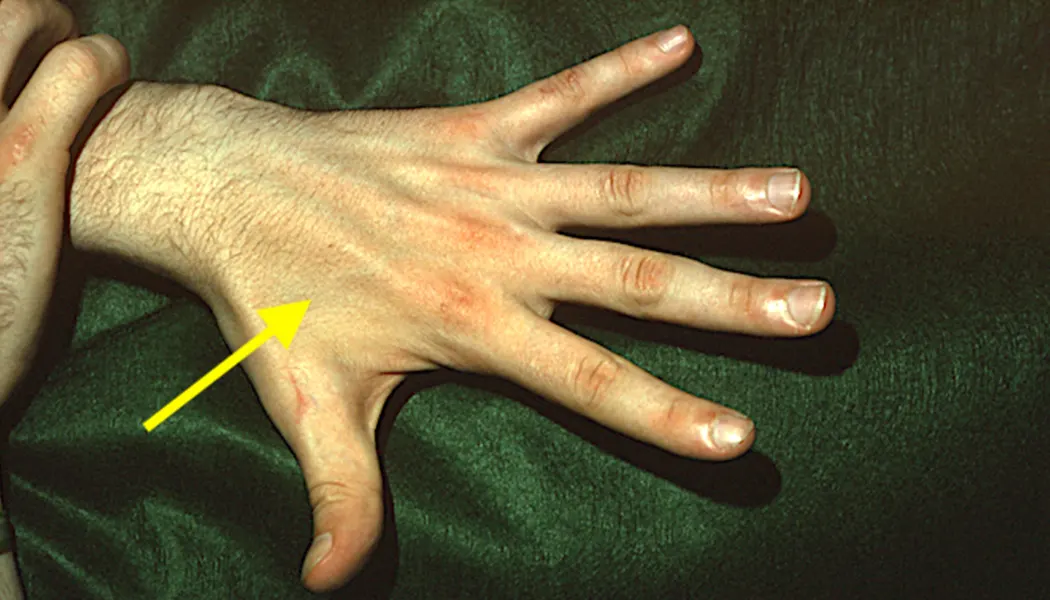
Depending on the location and severity of the injury, the ulnar nerve may cause altered sensation in the little finger and part of the ring finger, as well as weakness in the muscles responsible for finger movement and grip. Severe or long-standing nerve damage can lead to muscle wasting and changes in hand position. Early assessment is important when symptoms are persistent, worsening, or associated with increasing weakness.
What Are The Symptoms Of Ulnar Nerve Injury?
Sensory Symptoms
Numbness: Reduced sensation may occur in the little finger and part of the ring finger.
Tingling: Pins-and-needles sensations may travel into the hand and fingers.
Burning Sensation: Some individuals experience burning or nerve-related pain.
Electric-Shock Sensation: Sudden sharp or electric sensations may occur when the nerve is irritated.
Altered Sensation: The hand may feel unusually sensitive or less able to detect touch.
Pain Symptoms
Inner Elbow Pain: Pain or discomfort may occur around the inside of the elbow.
Forearm Pain: Symptoms may travel down the inner side of the forearm.
Hand Pain: Discomfort may occur in the ulnar side of the hand.
Pain with Elbow Bending: Keeping the elbow bent for long periods may increase symptoms in some cases.
Movement And Strength Symptoms
Hand Weakness: The small muscles of the hand may become weaker.
Reduced Grip Strength: Holding or gripping objects may become more difficult.
Difficulty Spreading the Fingers: Moving the fingers apart may be difficult.
Difficulty Bringing Fingers Together: Finger control may be reduced.
Reduced Fine Motor Control: Tasks such as typing, buttoning clothes, or handling small objects may become challenging.
Clumsiness: Objects may be dropped more easily.
Muscle Wasting: Long-standing or severe nerve damage may cause the muscles of the hand to become smaller.
Clawing of the Fingers: Severe ulnar nerve weakness may cause characteristic changes in finger posture.
Symptoms may develop gradually or occur suddenly after an injury, depending on the cause.
What Are The Causes Of Ulnar Nerve Injury?
Prolonged Elbow Bending: Keeping the elbow bent for long periods can increase pressure and stretch around the ulnar nerve.
Leaning on the Elbow: Repeated or prolonged pressure on the inner elbow may irritate the nerve.
Cubital Tunnel Compression: The nerve may become compressed as it passes through the cubital tunnel at the elbow.
Guyon’s Canal Compression: The nerve can also be compressed at the wrist.
Trauma: A direct blow, cut, fracture, or dislocation can damage the nerve.
Elbow Fracture or Dislocation: Injuries around the elbow can stretch or compress the ulnar nerve.
Repetitive Arm Movements: Repeated movements may contribute to irritation in some individuals.
Ganglion Cyst or Other Mass: A structure pressing on the nerve can cause symptoms.
Joint Changes: Arthritis or structural changes around the elbow or wrist may contribute to nerve compression.
Surgery: In rare cases, nerve irritation or injury may occur following surgery.
Severe Stretching: Sudden excessive stretching of the arm can affect the nerve.
Diagnosis Of Ulnar Nerve Injury
Medical History: A healthcare professional will ask about numbness, tingling, weakness, pain, injury history, and activities that worsen symptoms.
Physical Examination: The arm, elbow, wrist, and hand are assessed for sensation, strength, muscle size, movement, and tenderness.
Neurological Examination: Muscle power, reflexes, sensation, and nerve function may be tested.
Provocation Tests: Specific positions or clinical tests may reproduce symptoms and help identify the area of nerve irritation.
Grip and Hand Strength Testing: The strength of hand and finger muscles may be assessed.
Range of Motion Assessment: Movement of the neck, shoulder, elbow, and wrist may be examined to identify contributing factors.
Nerve Conduction Studies: These tests assess how well electrical signals travel through the nerve.
Electromyography (EMG): EMG may help assess nerve-related muscle changes.
Ultrasound: Ultrasound can sometimes identify nerve swelling, compression, or structural abnormalities.
MRI: MRI may be used when deeper structural problems or other causes are suspected.
Treatment Of Ulnar Nerve Injury
Treatment depends on the cause, location, and severity of the nerve problem.
Activity Modification: Positions and activities that significantly aggravate symptoms may be temporarily reduced.
Avoiding Prolonged Elbow Pressure: Reducing repeated pressure on the inner elbow may help prevent further irritation.
Positioning Advice: Adjusting sleeping, working, and resting positions may reduce nerve stress.
Splinting: In selected cases, a splint may help prevent prolonged positions that aggravate symptoms.
Pain Management: A healthcare professional may recommend appropriate medication for pain or nerve-related symptoms.
Physiotherapy: Physiotherapy may support movement, strength, nerve mobility, and functional recovery.
Nerve Gliding Exercises: Carefully prescribed movements may help the nerve move through surrounding tissues when clinically appropriate.
Strengthening Exercises: Exercises can help restore strength and function when nerve recovery and symptoms allow.
Ergonomic Advice: Workplace or activity modifications may reduce repeated stress on the nerve.
Treatment of the Underlying Cause: Fractures, joint problems, cysts, or other conditions causing nerve compression may require specific treatment.
Surgery: Surgical decompression or nerve repair may be considered for severe compression, significant weakness, progressive muscle wasting, or traumatic nerve injury.
Persistent numbness, worsening weakness, or visible muscle wasting should be assessed promptly by a healthcare professional.
What Is The Physiotherapy Treatment Of Ulnar Nerve Injury
Detailed Assessment: At Pure Physio, we assess your symptoms, sensation, hand and arm strength, movement, posture, nerve-related function, and activities that may aggravate the condition.
Individualised Rehabilitation Programme: Your treatment is based on the cause and location of nerve involvement, symptom severity, physical findings, and recovery goals.
Activity Modification: We help identify movements, positions, and habits that may increase irritation of the ulnar nerve.
Postural Guidance: Advice may help reduce unnecessary stress on the neck, shoulder, arm, and elbow.
Positioning Education: Guidance is provided regarding work, rest, sleep, and everyday positions that may affect nerve symptoms.
Nerve Mobility Exercises: Carefully selected nerve gliding exercises may be introduced when appropriate.
Gentle Range of Motion Exercises: Movement exercises help maintain mobility in the neck, shoulder, elbow, wrist, and hand.
Hand and Finger Strengthening: Exercises help improve available strength and functional hand control.
Grip Strength Training: Progressive exercises may help improve gripping ability when appropriate.
Fine Motor Training: Activities can help improve control for tasks involving small objects and precise finger movements.
Forearm and Wrist Strengthening: Strengthening surrounding muscles can support upper-limb function.
Scapular and Shoulder Strengthening: Exercises may improve upper-limb control and movement efficiency.
Ergonomic Advice: We provide practical recommendations for desk work, computer use, driving, sleeping, and repetitive activities.
Functional Rehabilitation: Therapy focuses on practical tasks such as typing, writing, gripping, lifting, and handling objects.
Post-Operative Rehabilitation: If surgery is required, your programme is adapted according to the procedure and surgeon’s guidelines.
Home Exercise Programme: A personalised programme supports continued recovery between physiotherapy sessions.
Progress Monitoring: Your treatment is reviewed according to changes in symptoms, sensation, strength, and functional ability.
Why Choose Pure Physio?
Detailed Neuromusculoskeletal Assessment: We assess nerve-related symptoms, movement, strength, sensation, posture, and upper-limb function.
Personalised Treatment Plans: Your rehabilitation is adapted according to the cause, severity, and location of your nerve injury.
Focus on Symptom Management: We help identify and address activities and positions that may aggravate nerve irritation.
Nerve Mobility Support: Appropriate exercises may help support healthy nerve movement when clinically suitable.
Strength and Hand Function Rehabilitation: Therapy focuses on improving available strength, grip, finger control, and everyday hand use.
Movement and Postural Guidance: We address contributing movement patterns and practical positioning strategies.
Ergonomic Support: Advice can help reduce unnecessary strain during work and daily activities.
Fine Motor Rehabilitation: Treatment supports practical skills such as typing, writing, gripping, and handling small objects.
Post-Surgical Rehabilitation: We support structured recovery following nerve decompression or repair when required.
Home Exercise Guidance: You receive a personalised programme to support consistent rehabilitation between appointments.
Regular Progress Monitoring: Your programme is reviewed and adjusted according to your symptoms and functional recovery.
Integrated Care Approach: We work alongside doctors, neurologists, orthopaedic specialists, and other healthcare professionals when required.
Focused on Long-Term Function: Our goal is to help reduce nerve-related symptoms, protect the affected nerve, restore movement and strength, and support confident use of your arm and hand in everyday life.
Start Your Recovery Journey Today
Don’t let pain, stiffness, or reduced mobility affect your daily life. Get personalised physiotherapy care designed around your condition and recovery goals.