
Trochanteric Bursitis
Reduce hip pain, improve movement, and return to comfortable walking and everyday activities with personalised physiotherapy for Trochanteric Bursitis.
Contents
Take the First Step Towards Better Movement
Our experienced physiotherapists are here to help you improve mobility, regain strength, and move with greater comfort and confidence.
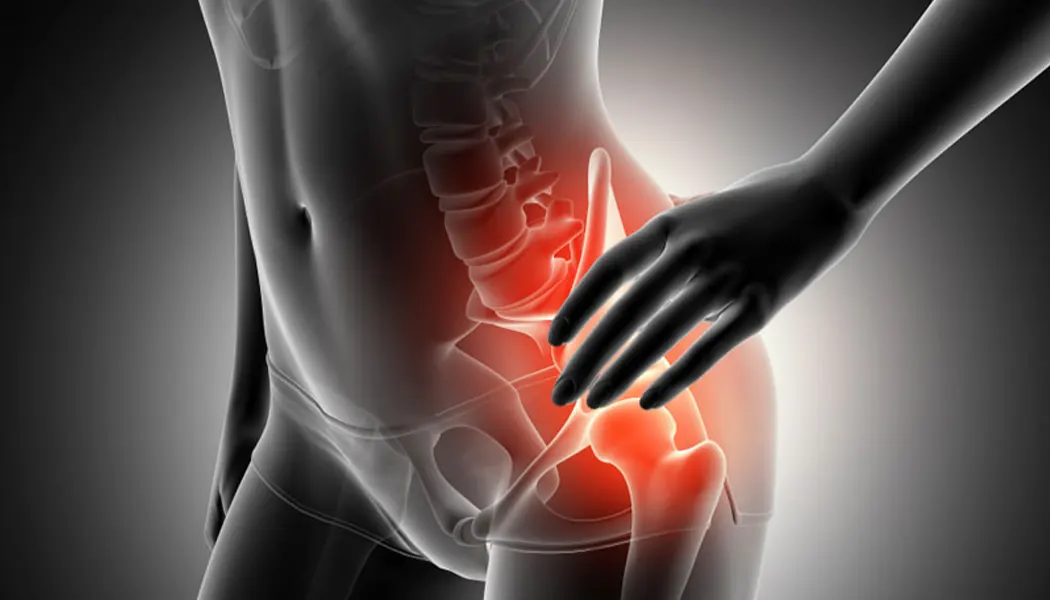
What is Trochanteric Bursitis?
Trochanteric Bursitis is a condition that causes pain around the outer side of the hip, near a bony prominence called the greater trochanter. It is often associated with irritation of the bursa, a small fluid-filled sac that helps reduce friction between tissues. Pain may become worse when lying on the affected side, walking, climbing stairs, standing for long periods, or moving the hip. The condition is also commonly associated with irritation of the tendons around the outer hip and may be part of Greater Trochanteric Pain Syndrome (GTPS). At Pure Physio, physiotherapy focuses on reducing pain, improving hip movement, strengthening the supporting muscles, improving load tolerance, and helping you return to comfortable everyday activities.
Trochanteric Bursitis refers to pain and irritation around the greater trochanter, the bony prominence on the outer part of the upper thigh bone.
A bursa is a small fluid-filled sac that acts as a cushion and helps reduce friction between bones, tendons, muscles, and other soft tissues.
Around the outer hip, the trochanteric bursa lies between the greater trochanter and surrounding soft tissues. When this area becomes irritated, pain and tenderness can develop.
However, outer hip pain is not always caused by the bursa alone. Many cases also involve changes in the gluteal tendons and muscles, which is why the broader term Greater Trochanteric Pain Syndrome (GTPS) is often used.
Symptoms can affect walking, sleeping, stair climbing, exercise, and other everyday activities. With appropriate assessment and rehabilitation, many people can gradually improve strength, movement, and tolerance to daily activities.
What Are The Symptoms Of Trochanteric Bursitis?
Common Symptoms
Outer Hip Pain: Pain is usually felt over the outside of the hip.
Tenderness: The area around the greater trochanter may be painful when pressed.
Pain When Lying on the Affected Side: Direct pressure on the outer hip can increase discomfort at night.
Pain with Walking: Walking, especially for longer distances, may aggravate symptoms.
Pain with Stair Climbing: Going up or down stairs can increase hip pain.
Pain with Standing: Prolonged standing may become uncomfortable.
Other Possible Symptoms
Pain When Getting Up from a Chair: Moving from sitting to standing may aggravate the outer hip.
Pain with Running: Higher-impact activities may increase symptoms.
Pain with Single-Leg Activities: Standing on one leg may be uncomfortable.
Pain When Crossing the Legs: Positions that compress the outer hip can aggravate symptoms.
Pain Radiating Down the Outer Thigh: Discomfort may spread down the side of the upper leg.
Hip Weakness: The muscles around the hip may feel weak or less stable.
Reduced Walking Tolerance: Pain may limit the distance you can walk comfortably.
Sleep Disturbance: Pain when lying on the affected side may interrupt sleep.
What Are The Causes Of Trochanteric Bursitis?
Repetitive Hip Loading: Repeated walking, running, climbing, or other activities may overload the tissues around the outer hip.
Sudden Increase in Activity: Rapidly increasing exercise intensity, distance, or frequency can irritate the affected area.
Direct Pressure: Prolonged pressure on the outer hip, such as lying on one side, may aggravate symptoms.
Gluteal Muscle Weakness: Reduced strength or control of the hip muscles can affect how the hip manages load.
Gluteal Tendon Problems: Irritation or degeneration of the tendons around the greater trochanter commonly contributes to outer hip pain.
Previous Hip Injury: Trauma or a fall onto the side of the hip may irritate local tissues.
Altered Walking Patterns: Changes in walking mechanics may increase stress on the outer hip.
Leg Length Differences: Significant differences in leg length may affect loading patterns in some people.
Hip or Lower Back Problems: Other conditions affecting movement and loading may contribute to outer hip symptoms.
Prolonged Repetitive Activities: Work, exercise, or lifestyle activities involving repeated hip loading may aggravate symptoms.
Diagnosis Of Trochanteric Bursitis
Medical History: A healthcare professional will ask about the location of pain, daily activities, exercise, previous injuries, and positions that worsen symptoms.
Physical Examination: The hip and surrounding structures are assessed for tenderness, movement, strength, and functional limitations.
Palpation: Pressure over the outer hip may reproduce symptoms.
Hip Movement Testing: Active and passive hip movements are assessed.
Strength Testing: The gluteal and other hip muscles may be evaluated.
Functional Assessment: Walking, stair climbing, single-leg standing, and other movements may be assessed.
Special Tests: Specific clinical tests may help identify irritation of structures around the outer hip.
Ultrasound: Ultrasound may help assess bursae and surrounding tendons when required.
MRI Scan: MRI may provide detailed information about the gluteal tendons, bursa, muscles, and other hip structures.
X-Rays: X-rays may be used to assess underlying bone or joint conditions.
A proper assessment is important because outer hip pain can also be caused by conditions affecting the hip joint, lower back, nerves, or other soft tissues.
Treatment Of Trochanteric Bursitis
Treatment depends on the severity and duration of symptoms and the factors contributing to the condition.
Activity Modification: Temporarily reducing or modifying activities that significantly aggravate pain can help manage symptoms.
Load Management: Adjusting walking, running, exercise, and other physical activities can reduce excessive stress while maintaining appropriate activity.
Avoiding Prolonged Direct Pressure: Changing sleeping and resting positions may help reduce pressure on the outer hip.
Pain Management: Appropriate medication may be recommended by a healthcare professional when required.
Physiotherapy: Rehabilitation helps improve hip strength, movement, muscle control, and tolerance to everyday activities.
Progressive Strengthening: Carefully progressed exercises can improve the ability of the hip muscles and tendons to manage load.
Movement Retraining: Addressing walking and movement patterns may reduce unnecessary stress on the affected area.
Injection Therapy: In selected cases, a healthcare professional may discuss corticosteroid or other injection treatment.
Treatment of Underlying Conditions: Associated hip, tendon, or lower back problems may require additional management.
Surgery: Surgery is rarely required but may be considered in selected persistent and complex cases.
What Is The Physiotherapy Treatment Of Trochanteric Bursitis
Detailed Assessment: At Pure Physio, we assess hip pain, movement, gluteal strength, walking patterns, balance, functional limitations, activity levels, and factors contributing to outer hip loading.
Individualised Treatment Programme: Your rehabilitation is tailored according to your symptoms, activity level, work demands, exercise routine, underlying contributing factors, and personal goals.
Pain Management Strategies: Appropriate physiotherapy techniques may help manage discomfort and support comfortable movement.
Activity Modification Guidance: We help identify activities and positions that aggravate symptoms and provide practical strategies to manage hip loading.
Load Management: Your walking, exercise, and activity levels are adjusted to support recovery without unnecessary overloading.
Hip Mobility Exercises: Controlled exercises help maintain or improve comfortable hip movement.
Gentle Stretching: Appropriate stretching may address muscle tightness affecting hip movement when suitable.
Gluteal Strengthening: Progressive exercises strengthen the muscles around the outer hip.
Hip Abductor Strengthening: Targeted exercises improve the strength and endurance of muscles responsible for side-to-side hip control.
Core Strengthening: Exercises support improved control of the pelvis and lower body during movement.
Functional Strength Training: Rehabilitation includes movements such as sit-to-stand, step-ups, squats, and other exercises progressed according to tolerance.
Balance Training: Exercises help improve stability and control during standing and walking.
Walking Retraining: Assessment and guidance may help improve movement patterns and reduce unnecessary stress on the hip.
Stair Climbing Rehabilitation: Exercises can prepare the hip muscles for safe and comfortable stair use.
Gradual Return to Exercise: Walking, running, gym activities, and other exercise are progressively increased according to symptoms and functional recovery.
Sleep and Positioning Advice: Practical strategies may help reduce direct pressure on the painful outer hip during rest and sleep.
Home Exercise Programme: A personalised programme supports continued strengthening and recovery between appointments.
Progress Monitoring: Your rehabilitation is regularly reviewed and progressed according to pain, movement, strength, activity tolerance, and functional improvement.
Why Choose Pure Physio?
Comprehensive Hip Assessment: We assess hip movement, pain, gluteal strength, walking patterns, balance, and functional limitations.
Personalised Rehabilitation Plans: Your programme is tailored according to your symptoms, activity level, work demands, lifestyle, and recovery goals.
Focus on Pain Reduction: Treatment aims to reduce outer hip pain while supporting safe and comfortable movement.
Improve Hip Strength: Progressive exercises strengthen the gluteal and supporting muscles that help control hip movement.
Load Management Support: We provide practical guidance to help you manage walking, exercise, and everyday activities without unnecessary overloading.
Restore Comfortable Movement: Rehabilitation addresses stiffness, movement restrictions, and muscle control where needed.
Balance and Stability Training: Exercises help improve lower-limb control during standing, walking, and single-leg activities.
Movement and Walking Guidance: We help address movement patterns that may contribute to repeated stress on the outer hip.
Functional Recovery Focus: Therapy targets meaningful activities such as walking, stair climbing, standing, exercising, and sleeping comfortably.
Safe Exercise Progression: Your programme is adjusted according to symptoms, strength, and functional improvement.
Home Exercise Guidance: You receive a personalised programme to support consistent progress outside your appointments.
Regular Progress Monitoring: Your rehabilitation is reviewed and adapted according to changes in pain, movement, strength, and activity tolerance.
Integrated Care Approach: We work alongside doctors, orthopaedic specialists, sports medicine professionals, and other healthcare providers when required.
Focused on Long-Term Hip Function: Our goal is to reduce pain, improve hip strength and movement, increase activity tolerance, and help you return to the activities that matter most.
Start Your Recovery Journey Today
Don’t let pain, stiffness, or reduced mobility affect your daily life. Get personalised physiotherapy care designed around your condition and recovery goals.