
Trigger Finger
Get the right assessment and personalised treatment to restore smooth, comfortable hand movement.
Contents
Take the First Step Towards Better Movement
Our experienced physiotherapists are here to help you improve mobility, regain strength, and move with greater comfort and confidence.
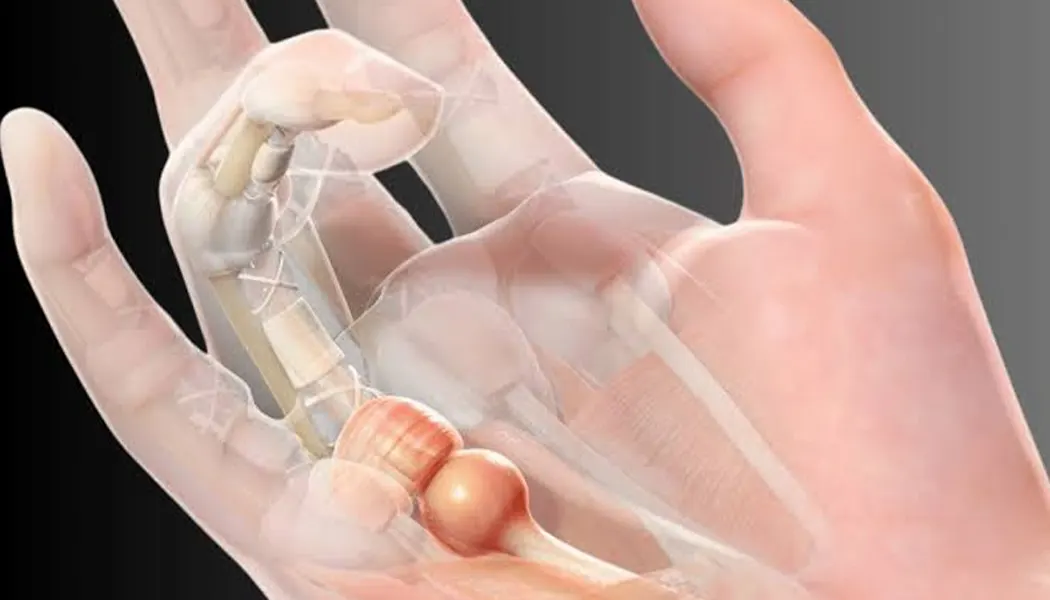
What is Trigger Finger?
Trigger Finger is a condition affecting the flexor tendons of the fingers or thumb.
Flexor tendons are strong cord-like tissues that help bend the:
Fingers
Thumb
As the fingers move, these tendons normally glide smoothly through a protective tunnel-like structure called the tendon sheath.
A series of tissue bands called pulleys help keep the tendons close to the bones.
In trigger finger, the tendon, tendon sheath, or pulley may become thickened or irritated. This can make it difficult for the tendon to glide smoothly.
As a result, the finger may:
Click
Catch
Feel Stiff
Lock During Movement
Become Stuck in a Bent Position
The A1 pulley, located near the base of the finger or thumb, is commonly involved.
Trigger finger can affect one or more fingers and may occur in one or both hands.
What Are The Symptoms Of Trigger Finger?
Finger Pain: Pain may occur at the base of the affected finger or thumb.
Tenderness: The area around the base of the finger may feel sore when touched.
Clicking Sensation: A noticeable clicking may occur when bending or straightening the finger.
Popping: The finger may suddenly pop as the tendon moves through the narrowed area.
Catching: Movement may feel as though the tendon gets caught during bending or straightening.
Finger Stiffness: The finger may feel stiff, particularly after waking up or following periods of inactivity.
Locking: The finger may become stuck in a bent position.
Difficulty Straightening the Finger: The affected finger may require assistance from the other hand to straighten.
Pain During Movement: Bending or straightening the finger may cause discomfort.
Lump or Nodule: A small tender lump may sometimes be felt near the base of the affected finger.
Reduced Hand Function: Gripping, writing, typing, opening jars, or holding objects may become difficult.
Morning Symptoms: Stiffness and catching may be more noticeable in the morning for some people.
Reduced Finger Movement: Severe or long-standing symptoms may lead to difficulty fully bending or straightening the finger.
What Are The Causes Of Trigger Finger?
Trigger finger develops when there is thickening, irritation, or narrowing involving the tendon and pulley system. The exact cause is not always known.
Repetitive Hand Use: Repeated gripping or forceful finger movements may contribute in some individuals.
Repetitive Tool Use: Frequent use of tools requiring strong gripping may place repeated stress on the hand.
Inflammation or Tendon Irritation: Changes around the flexor tendon or tendon sheath can interfere with smooth tendon movement.
Diabetes: Trigger finger is more common in people with diabetes.
Rheumatoid Arthritis: Inflammatory joint conditions may contribute to tendon problems.
Other Medical Conditions: Certain metabolic or inflammatory conditions may be associated with an increased risk.
Previous Hand Injury: Trauma or injury to the hand may contribute to symptoms in some cases.
Previous Hand Surgery: Changes following surgery may occasionally affect tendon movement.
Age-Related Changes: Trigger finger is more common during middle and later adulthood.
No Identifiable Cause: In many cases, trigger finger develops without one clear cause.
Diagnosis Of Trigger Finger
Medical History: A healthcare professional will ask about pain, stiffness, clicking, catching, locking, hand use, work activities, and medical conditions.
Physical Examination: The finger and hand are examined for tenderness, swelling, clicking, catching, and reduced movement.
Movement Assessment: Bending and straightening of the finger are observed.
Palpation: The healthcare professional may feel the tendon area near the base of the finger for tenderness or thickening.
Hand Function Assessment: Grip, finger movement, and ability to perform everyday activities may be evaluated.
Severity Assessment: The frequency and severity of catching or locking are assessed to guide treatment.
Ultrasound: In selected cases, ultrasound may help assess the tendon and surrounding structures.
Other Tests: Imaging is usually not necessary for typical trigger finger but may be used when another condition is suspected.
Diagnosis is often made through a clinical examination.
Treatment Of Trigger Finger
Treatment depends on symptom severity, duration, finger movement, and individual medical factors.
Activity Modification: Temporarily reducing activities involving repeated forceful gripping may help manage symptoms.
Rest: Avoiding movements that repeatedly trigger pain or locking may be recommended.
Splinting: A splint may help keep the finger or affected joint in a position that reduces triggering.
Pain Management: A doctor may recommend appropriate medication to manage pain.
Anti-Inflammatory Treatment: Medication may be considered when medically appropriate.
Physiotherapy or Hand Therapy: Rehabilitation may help maintain finger movement, improve hand function, and provide guidance on activity modification.
Gentle Tendon Gliding Exercises: Specific exercises may help encourage controlled tendon movement when appropriate.
Stretching and Mobility Exercises: Exercises may help maintain comfortable movement and reduce stiffness.
Corticosteroid Injection: A doctor may recommend an injection around the affected tendon sheath to reduce symptoms.
Management of Underlying Conditions: Conditions such as diabetes or inflammatory arthritis may require appropriate medical management.
Surgical Release: If symptoms remain severe or persistent, or if the finger is significantly locked, a surgeon may recommend a procedure to release the affected pulley and allow the tendon to move more freely.
What Is The Physiotherapy Treatment Of Trigger Finger
Detailed Hand Assessment: At Pure Physio, treatment begins by assessing finger movement, pain, stiffness, clicking, locking, grip function, work demands, and daily activities.
Activity Modification Guidance: We help identify movements and gripping activities that may aggravate symptoms and provide practical alternatives where appropriate.
Gentle Range of Motion Exercises: Controlled exercises may help maintain finger and thumb movement.
Tendon Gliding Exercises: Carefully selected exercises may encourage smooth movement of the flexor tendons through their available range.
Finger Mobility Training: Rehabilitation may focus on improving comfortable bending and straightening of the affected finger.
Hand and Wrist Exercises: Exercises may be included to maintain overall hand and wrist mobility.
Stretching: Gentle stretching may be used when clinically appropriate to address stiffness and surrounding soft tissue tightness.
Grip Training: Once symptoms allow, suitable exercises may help maintain or improve functional hand strength.
Splint Guidance: We can provide advice on the use of an appropriately prescribed or recommended splint.
Ergonomic Advice: Guidance may be provided for modifying repetitive work, tool use, keyboard activities, and other hand-intensive tasks.
Post-Injection Rehabilitation: If a doctor recommends an injection, physiotherapy may help restore movement and guide a gradual return to normal activities.
Post-Surgical Rehabilitation: After surgical release and appropriate wound healing, rehabilitation may help restore finger movement, reduce stiffness, and improve hand function.
Home Exercise Programme: A personalised programme may be provided to support mobility and functional recovery between sessions.
Why Choose Pure Physio?
Detailed Hand Assessment: We assess your symptoms, finger movement, hand function, work demands, and everyday activity limitations.
Individualised Treatment: Your rehabilitation plan is adapted according to the severity of stiffness, clicking, locking, pain, and your functional goals.
Focus on Comfortable Movement: We use appropriate strategies to help maintain finger mobility and reduce the impact of stiffness on daily activities.
Functional Hand Rehabilitation: Therapy focuses on meaningful tasks such as gripping, typing, writing, lifting, cooking, and work-related activities.
Practical Activity Guidance: We provide strategies for modifying repetitive or forceful hand activities where appropriate.
Personalised Exercise Programmes: Mobility, tendon gliding, stretching, and strengthening exercises are selected according to your symptoms and stage of recovery.
Support Before and After Medical Treatment: Physiotherapy can complement appropriate medical treatment, including rehabilitation following injections or surgery when required.
Ergonomic Support: We can help identify ways to reduce unnecessary strain during work and everyday hand activities.
Integrated Care Approach: Where symptoms require medical or surgical management, we can work alongside recommendations from orthopaedic specialists, hand surgeons, and other healthcare professionals to support your recovery.
Start Your Recovery Journey Today
Don’t let pain, stiffness, or reduced mobility affect your daily life. Get personalised physiotherapy care designed around your condition and recovery goals.