Transverse Myelitis
Restore movement, rebuild strength, and improve independence with personalised physiotherapy rehabilitation for transverse myelitis.
Contents
Take the First Step Towards Better Movement
Our experienced physiotherapists are here to help you improve mobility, regain strength, and move with greater comfort and confidence.
What is Transverse Myelitis?
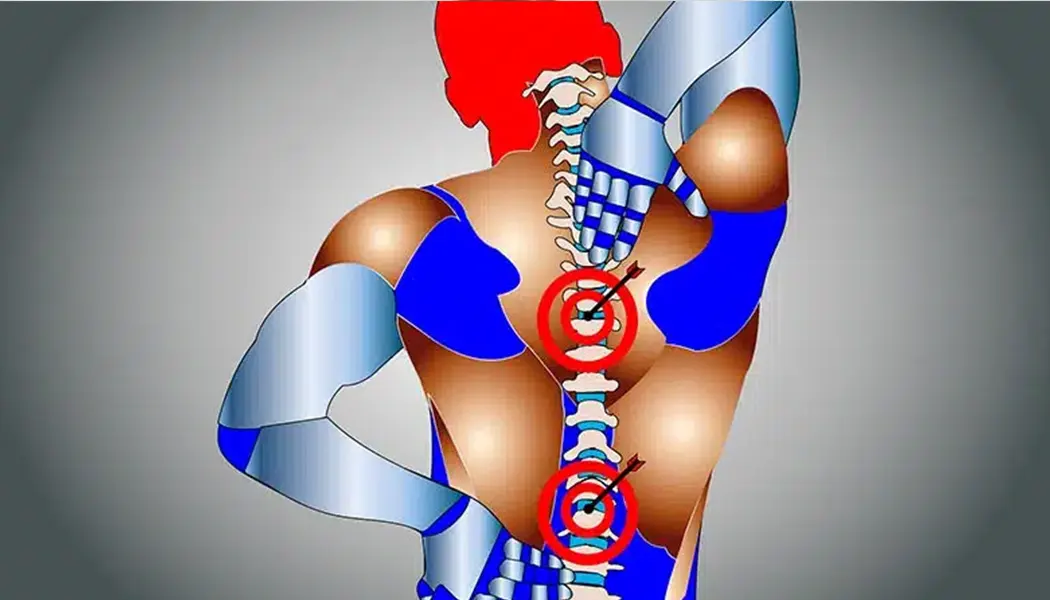
Transverse Myelitis is a condition in which inflammation affects part of the spinal cord. The spinal cord carries nerve signals between the brain and the rest of the body. When inflammation damages or disrupts the protective covering around nerve fibres or the nerve pathways themselves, communication between the brain and areas below the affected level can be affected.
The term “transverse” refers to inflammation affecting a cross-sectional area of the spinal cord, while “myelitis” means inflammation of the spinal cord. Symptoms can develop over hours to days, although the pattern can vary. Depending on the level and severity of spinal cord involvement, a person may experience weakness or paralysis, altered sensation, pain, changes in muscle tone, difficulty walking, and bladder or bowel problems.
Some people make a substantial recovery, while others may have ongoing neurological difficulties. Recovery depends on several factors, including the underlying cause, severity of spinal cord damage, and response to treatment and rehabilitation.
What Are The Symptoms Of Transverse Myelitis?
Symptoms usually occur below the level of spinal cord involvement and can vary in severity.
Movement Symptoms
Muscle Weakness: Weakness may affect the legs and, in higher spinal cord involvement, the arms as well.
Difficulty Walking: Weakness, altered sensation, and balance problems can make walking difficult.
Paralysis: Severe cases may cause partial or complete paralysis below the affected level.
Muscle Stiffness: Muscles may become stiff due to increased muscle tone or spasticity.
Muscle Spasms: Involuntary muscle tightening or spasms may occur.
Reduced Coordination: Movement may become difficult to control.
Balance Problems: Standing and walking stability may be affected.
Sensory Symptoms
Numbness: Reduced sensation may occur below the affected level.
Tingling: Pins-and-needles sensations may be experienced.
Burning or Neuropathic Pain: Nerve-related pain may feel burning, sharp, electric, or shooting.
Increased Sensitivity: Normal touch or pressure may become uncomfortable or painful.
Altered Temperature Sensation: The ability to sense hot and cold may be affected.
Sensory Level: Some people notice a distinct area below which sensation changes.
Other Symptoms
Back Pain: Pain may occur in the back around the affected spinal level.
Radiating Pain: Pain may spread into the arms, legs, chest, or abdomen.
Bladder Dysfunction: Difficulty emptying the bladder, urgency, or loss of bladder control may occur.
Bowel Dysfunction: Constipation or reduced bowel control may occur.
Sexual Dysfunction: Neurological changes can affect sexual function.
Autonomic Changes: Depending on the level of spinal cord involvement, some individuals may experience changes in blood pressure regulation or sweating.
Sudden weakness, numbness, difficulty walking, or new bladder or bowel dysfunction requires urgent medical assessment.
What Are The Causes Of Transverse Myelitis?
Transverse myelitis can occur for different reasons, and sometimes no definite cause is identified.
Autoimmune Reactions: The immune system may mistakenly attack the spinal cord.
Post-Infectious Inflammation: Inflammation may occur after certain infections.
Viral Infections: Some viral illnesses may trigger spinal cord inflammation.
Bacterial or Other Infections: Certain infections can affect or trigger inflammation of the spinal cord.
Multiple Sclerosis: Transverse myelitis can occur as part of multiple sclerosis.
Neuromyelitis Optica Spectrum Disorder: Spinal cord inflammation can occur with this autoimmune neurological condition.
Other Autoimmune Diseases: Conditions such as lupus or other inflammatory disorders may be associated with myelitis.
Post-Vaccination Immune Response: Rarely, myelitis may occur after an immune trigger, including vaccination, although other causes should also be carefully investigated.
Idiopathic Causes: In some cases, no specific underlying cause is found.
Identifying the underlying cause is important because it can affect medical treatment and the risk of future episodes.
Diagnosis Of Transverse Myelitis
Medical History: A healthcare professional will ask about the onset and progression of weakness, sensory changes, pain, bladder or bowel symptoms, and recent illnesses.
Neurological Examination: Muscle strength, sensation, reflexes, muscle tone, coordination, and walking may be assessed.
MRI Scan: MRI of the spinal cord can identify inflammation and help exclude other causes of spinal cord symptoms.
Brain MRI: Imaging of the brain may be performed to investigate associated neurological conditions.
Lumbar Puncture: Cerebrospinal fluid may be examined for inflammation, infection, or other abnormalities.
Blood Tests: Tests may investigate autoimmune conditions, infections, vitamin deficiencies, and other possible causes.
Antibody Testing: Specific antibody tests may be used when conditions such as neuromyelitis optica are suspected.
Additional Investigations: Further tests may be required depending on symptoms and possible underlying causes.
Prompt diagnosis is important because other spinal cord conditions can cause similar symptoms and may require urgent treatment.
Treatment Of Transverse Myelitis
Treatment depends on the severity of symptoms and the underlying cause.
Corticosteroids: High-dose steroids may be used to reduce inflammation during the acute phase.
Plasma Exchange: Plasma exchange may be considered when symptoms are severe or do not adequately respond to initial treatment.
Immunotherapy: Other immune-based treatments may be required in selected cases.
Treatment of Underlying Causes: Infections, autoimmune diseases, or other contributing conditions may require specific treatment.
Pain Management: Medication may be prescribed for nerve pain, muscle spasms, or other symptoms.
Bladder Management: Individualised medical strategies may help manage bladder function.
Bowel Management: A structured programme may be required to support bowel function.
Spasticity Management: Medication, stretching, positioning, and rehabilitation may help manage increased muscle tone.
Physiotherapy: Physiotherapy is an important part of rehabilitation for movement, strength, balance, and mobility.
Occupational Therapy: Occupational therapy can support daily activities and independence.
Psychological Support: Living with a sudden neurological condition can be challenging, and emotional support may be beneficial.
Recovery can continue over months or longer, and rehabilitation needs may change during this time.
What Is The Physiotherapy Treatment Of Transverse Myelitis
Detailed Assessment: At Pure Physio, we assess muscle strength, joint movement, muscle tone, sensation-related difficulties, balance, coordination, mobility, walking ability, and functional independence.
Individualised Rehabilitation Programme: Your treatment is adapted according to the level of spinal cord involvement, current symptoms, stage of recovery, medical condition, and personal goals.
Positioning: Appropriate positioning can help maintain comfort, protect the body, and reduce the risk of secondary complications.
Range of Motion Exercises: Gentle movement helps maintain joint mobility and reduce stiffness.
Stretching Programme: Appropriate stretching may help manage muscle tightness and reduce the risk of contractures.
Strengthening Exercises: Exercises are progressively adapted to improve available muscle strength and functional control.
Task-Specific Training: Repeated practice of meaningful movements can support functional recovery.
Balance Training: Exercises help improve sitting and standing stability.
Trunk Control Training: Rehabilitation can improve postural stability and control during movement.
Transfer Training: Therapy focuses on safe transfers between the bed, chair, wheelchair, and standing positions.
Walking Rehabilitation: Physiotherapy supports the recovery or improvement of safe walking ability when appropriate.
Gait Training: Treatment addresses weight transfer, step control, lower-limb movement, balance, and walking efficiency.
Spasticity Management: Stretching, positioning, movement, and other appropriate strategies can help manage increased muscle tone.
Coordination Training: Activities help improve controlled and purposeful movement.
Functional Training: Rehabilitation focuses on everyday activities such as sitting, standing, walking, climbing stairs, and moving safely around the home and community.
Mobility Aid Training: Guidance can be provided for the safe use of walking aids or other mobility equipment.
Wheelchair Mobility: Training may support independence for individuals who require a wheelchair.
Cardiovascular Conditioning: Appropriate physical activity can help improve endurance according to medical guidance and physical ability.
Fall Prevention: Rehabilitation addresses balance, safe movement strategies, and confidence.
Home Exercise Programme: A personalised programme supports continued rehabilitation between sessions.
Progress Monitoring: Your programme is regularly reviewed and adapted according to changes in strength, movement, mobility, and functional ability.
Why Choose Pure Physio?
Comprehensive Neurological Assessment: We assess strength, movement, muscle tone, balance, coordination, sensation-related functional challenges, and mobility.
Personalised Rehabilitation Plans: Your programme is tailored to your symptoms, level of recovery, physical abilities, and individual goals.
Focus on Functional Recovery: Rehabilitation targets meaningful activities that support everyday independence.
Strength and Mobility Support: We work to improve available strength, joint movement, and physical function.
Balance and Walking Rehabilitation: Therapy supports safe standing, walking, and movement confidence.
Spasticity and Stiffness Management: Appropriate rehabilitation strategies can help manage muscle tightness and reduced movement.
Individualised Exercise Progression: Activities are progressed carefully according to your neurological recovery and physical capacity.
Transfer and Mobility Training: We support practical skills needed for moving safely and independently.
Assistive Device Support: Guidance can be provided regarding walking aids, orthoses, wheelchairs, and other mobility equipment when required.
Home Rehabilitation Guidance: You receive a personalised programme to support continued progress outside physiotherapy sessions.
Regular Progress Monitoring: Your rehabilitation is reviewed and adapted as your symptoms and abilities change.
Integrated Care Approach: We support rehabilitation alongside neurologists, rehabilitation specialists, occupational therapists, urologists, and other healthcare professionals when required.
Focused on Long-Term Independence and Quality of Life: Our goal is to help maximise movement, mobility, confidence, independence, and participation in the activities that matter most.
Start Your Recovery Journey Today
Don’t let pain, stiffness, or reduced mobility affect your daily life. Get personalised physiotherapy care designed around your condition and recovery goals.