Total Knee Replacement
Regain knee movement, rebuild strength, and return to everyday activities with personalised physiotherapy after total knee replacement.
Contents
Take the First Step Towards Better Movement
Our experienced physiotherapists are here to help you improve mobility, regain strength, and move with greater comfort and confidence.
What is Total Knee Replacement?
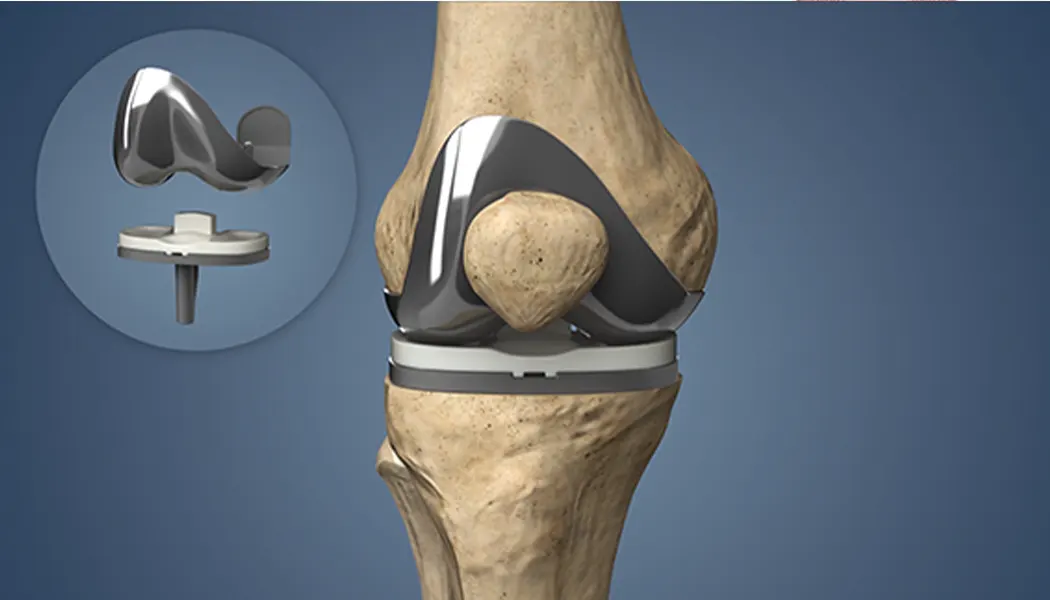
A Total Knee Replacement (TKR) is a surgical procedure in which damaged surfaces of the knee joint are replaced with artificial components, known as a prosthesis. The knee is made up primarily of the femur (thigh bone), tibia (shin bone), and patella (kneecap). During surgery, damaged cartilage and bone surfaces are removed and replaced with specially designed metal and plastic components that allow the joint to move more smoothly.
Total knee replacement is commonly considered when severe joint damage causes ongoing pain, stiffness, reduced mobility, and difficulty performing daily activities despite appropriate non-surgical treatment. Osteoarthritis is one of the most common reasons for knee replacement, although other conditions such as rheumatoid arthritis or significant joint damage may also lead to surgery.
The main goals of surgery are to reduce pain, improve knee function, and support better mobility. However, surgery is only one part of recovery. A structured rehabilitation programme is important for restoring movement, strength, walking ability, and confidence.
Why Is Total Knee Replacement Performed?
Total knee replacement may be considered when knee damage significantly affects quality of life.
Severe Osteoarthritis: Advanced wear and damage to knee cartilage can cause persistent pain and stiffness.
Rheumatoid Arthritis: Inflammatory joint damage may severely affect the knee.
Post-Traumatic Arthritis: Previous fractures or significant knee injuries can lead to progressive joint damage.
Severe Knee Pain: Pain may continue despite appropriate conservative treatment.
Reduced Mobility: Walking and other daily activities may become increasingly difficult.
Significant Stiffness: Loss of knee movement may affect everyday function.
Difficulty with Daily Activities: Standing, walking, climbing stairs, or getting up from a chair may become challenging.
Reduced Quality of Life: Persistent symptoms may significantly limit independence and participation in normal activities.
A specialist orthopaedic assessment is required to determine whether knee replacement is appropriate.
What Can You Expect After Total Knee Replacement?
Recovery varies between individuals and depends on factors such as overall health, pre-surgery physical function, surgical factors, and rehabilitation.
Early Recovery
Pain and Swelling: Pain, swelling, and warmth around the knee are common after surgery.
Stiffness: The knee may initially feel stiff and difficult to move.
Difficulty Walking: Walking usually begins with appropriate support, such as a walking frame or crutches.
Reduced Muscle Strength: The thigh muscles may temporarily become weak after surgery.
Difficulty Straightening or Bending the Knee: Knee range of motion gradually improves during rehabilitation.
During Rehabilitation
Improved Knee Movement: Regular rehabilitation helps restore comfortable bending and straightening.
Increasing Strength: The muscles around the knee, hip, and leg are progressively strengthened.
Walking Progression: Mobility may progress from a walking aid to more independent walking when appropriate.
Improved Balance: Balance and confidence can gradually improve.
Improved Daily Function: Activities such as standing, walking, and climbing stairs become easier as recovery progresses.
Long-Term Recovery
Improved Mobility: Many people achieve significant improvements in walking and daily activities.
Improved Function: Strength, movement, and confidence can continue improving with rehabilitation and regular activity.
Ongoing Exercise: Continued physical activity and strengthening support long-term knee function.
Recovery timelines vary, so progress should be guided by your surgeon and rehabilitation team rather than comparing your recovery with someone else’s.
What Are The Common Problems During Recovery?
Knee Pain: Some pain and discomfort are expected during the healing process.
Swelling: Swelling can affect movement and comfort.
Stiffness: Reduced movement may occur, particularly if the knee is not moved regularly as advised.
Muscle Weakness: The quadriceps and other leg muscles may become weak.
Difficulty Walking: Pain, weakness, swelling, and reduced confidence can affect walking.
Reduced Knee Flexion: Bending the knee may initially be difficult.
Difficulty Achieving Full Extension: Straightening the knee fully may be challenging during recovery.
Balance Problems: Changes in strength and movement can affect stability.
Difficulty Using Stairs: Climbing or descending stairs may initially require support.
Fear of Movement: Some individuals may feel hesitant to bend or load the knee after surgery.
Fatigue: Recovery and rehabilitation can temporarily increase tiredness.
Persistent or worsening symptoms should be discussed with your surgeon or healthcare professional.
What Is The Physiotherapy Treatment Of Total Knee Replacement
Physiotherapy plays an important role in recovery and should follow your surgeon’s guidance and individual surgical instructions.
Detailed Assessment: At Pure Physio, we assess your pain, swelling, wound status within appropriate clinical limits, knee movement, muscle strength, walking ability, balance, and daily functional needs.
Individualised Rehabilitation Programme: Your treatment is adapted according to your stage of recovery, surgical guidance, symptoms, physical ability, and personal goals.
Swelling Management: Appropriate positioning, movement, and other strategies may be used to help manage swelling.
Pain-Guided Movement: Exercises are progressed according to your symptoms and recovery stage.
Knee Range of Motion Exercises: Gentle exercises help gradually improve knee bending and straightening.
Knee Extension Exercises: Specific exercises focus on restoring the ability to straighten the knee.
Knee Flexion Exercises: Controlled movements help progressively improve knee bending.
Quadriceps Activation: Early exercises help improve activation of the thigh muscles.
Progressive Strengthening: The muscles around the knee, hip, and lower leg are progressively strengthened.
Straight Leg Raise Exercises: These may be introduced when appropriate to improve leg control and strength.
Hip Strengthening: Strengthening the hip muscles supports lower-limb control and walking.
Ankle Exercises: Movement exercises may help maintain circulation and lower-limb mobility.
Balance Training: Exercises help improve stability and confidence during standing and walking.
Walking Rehabilitation: Physiotherapy supports a gradual progression toward safe and efficient walking.
Gait Training: We address walking pattern, weight transfer, step control, and confidence.
Walking Aid Progression: Guidance is provided on the appropriate use and gradual reduction of walking aids when safe.
Transfer Training: Therapy helps improve activities such as getting in and out of bed or standing from a chair.
Stair Training: You are guided through safe stair-climbing techniques as your strength and recovery progress.
Functional Training: Rehabilitation focuses on everyday activities such as walking, sitting, standing, dressing, and household movement.
Low-Impact Conditioning: Appropriate activities such as walking or stationary cycling may be introduced when suitable.
Home Exercise Programme: A personalised programme supports regular rehabilitation between physiotherapy sessions.
Progress Monitoring: Your programme is reviewed and adjusted according to your pain, swelling, knee movement, strength, walking ability, and functional recovery.
Why Choose Pure Physio?
Detailed Post-Surgical Assessment: We assess your knee movement, strength, swelling, walking, balance, and functional recovery.
Personalised Rehabilitation Plans: Your programme is adapted according to your surgery, stage of recovery, physical ability, and personal goals.
Focus on Knee Movement: We work progressively on comfortable knee bending and straightening.
Strength Rebuilding: Rehabilitation helps restore strength in the muscles that support the knee and lower limb.
Walking and Gait Rehabilitation: We support safe progression from walking aids toward greater independence when appropriate.
Balance and Stability Training: Exercises help improve confidence and control during standing and walking.
Functional Rehabilitation: Therapy focuses on practical activities such as getting out of a chair, walking, climbing stairs, and managing daily life.
Safe Exercise Progression: Your rehabilitation is progressed according to your recovery, symptoms, and surgical guidance.
Home Exercise Guidance: You receive a personalised programme to support continued progress between appointments.
Regular Progress Monitoring: Your treatment is reviewed and adjusted as your movement, strength, and function improve.
Support Throughout Recovery: Rehabilitation is adapted as you progress from the early post-operative stage toward long-term functional goals.
Integrated Care Approach: We support your recovery alongside your orthopaedic surgeon and other healthcare professionals when required.
Focused on Long-Term Independence: Our goal is to help you restore movement, strength, mobility, confidence, and independence so you can return to the everyday activities that matter most to you.
Start Your Recovery Journey Today
Don’t let pain, stiffness, or reduced mobility affect your daily life. Get personalised physiotherapy care designed around your condition and recovery goals.