
Total Hip Replacement
Recover with confidence after hip replacement surgery with personalised physiotherapy focused on safer movement, strength, mobility, and independence.
Contents
Take the First Step Towards Better Movement
Our experienced physiotherapists are here to help you improve mobility, regain strength, and move with greater comfort and confidence.
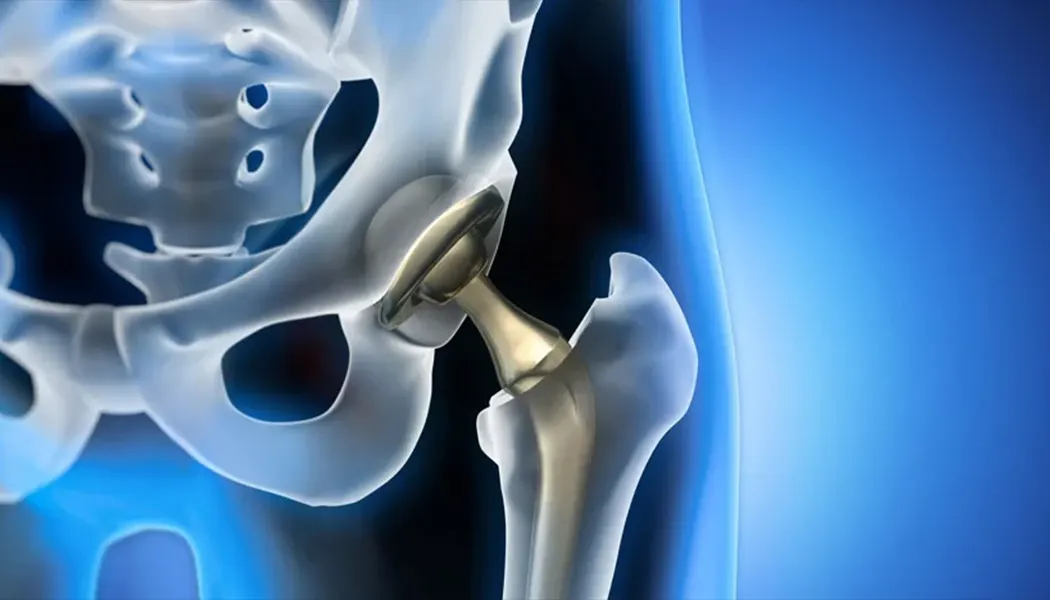
What is Total Hip Replacement?
The hip joint is a ball-and-socket joint. The rounded top of the thigh bone, known as the femoral head, forms the ball, while part of the pelvis called the acetabulum forms the socket.
In a healthy hip, smooth cartilage covers the surfaces of the joint and allows the bones to move with minimal friction. When the hip joint becomes severely damaged due to arthritis or another condition, the cartilage can wear down, leading to pain, stiffness, and reduced movement.
During a Total Hip Replacement, the damaged parts of the hip joint are removed and replaced with prosthetic components. Depending on the surgical technique and implant used, these components may include:
Acetabular Component: An artificial cup placed into the hip socket.
Femoral Component: A component placed into the upper part of the thigh bone.
Femoral Head: A new artificial ball that replaces the damaged femoral head.
The main aim of surgery is to reduce pain and improve the function of the hip joint when conservative treatment is no longer providing adequate relief. Recovery following surgery involves a structured rehabilitation process, with physiotherapy playing an important role in helping patients safely restore movement, strength, balance, walking ability, and independence.
What Are The Symptoms Of Total Hip Replacement?
Persistent Hip Pain: Ongoing hip pain that significantly affects daily activities and does not improve adequately with appropriate conservative management may lead to consideration of surgery.
Pain During Walking: Hip pain may make walking difficult, reduce walking distance, or cause limping.
Pain at Rest: In more advanced hip conditions, pain may continue even while resting or sitting.
Night Pain: Persistent discomfort may interfere with sleep and affect overall quality of life.
Hip Stiffness: Reduced movement may make it difficult to bend, rotate, or move the hip comfortably.
Difficulty with Everyday Activities: Activities such as dressing, putting on shoes and socks, getting in and out of a car, climbing stairs, or standing from a chair may become difficult.
Reduced Walking Tolerance: People may find they cannot walk as far or remain active for as long as they previously could.
Reduced Quality of Life: Ongoing pain and movement limitations may affect work, social activities, exercise, sleep, and independence.
Pain Not Improving with Conservative Treatment: Surgery may be considered when appropriate treatments such as physiotherapy, exercise, medication, and other non-surgical management options have not provided adequate improvement.
What Are The Causes Of Total Hip Replacement?
Hip Osteoarthritis: Advanced osteoarthritis is one of the most common reasons for Total Hip Replacement. Progressive cartilage damage can lead to pain, stiffness, and reduced hip function.
Rheumatoid Arthritis and Other Inflammatory Conditions: Certain inflammatory joint conditions can cause significant damage to the hip joint.
Avascular Necrosis: Reduced blood supply to the femoral head can damage bone tissue and contribute to collapse or severe joint damage.
Previous Hip Injury: Serious fractures, dislocations, or other traumatic injuries can lead to long-term changes and degeneration of the hip joint.
Developmental Hip Conditions: Certain structural abnormalities affecting the hip, including developmental dysplasia, can contribute to earlier joint degeneration.
Post-Traumatic Arthritis: Arthritis that develops following a significant hip injury may eventually cause persistent pain and joint damage.
Other Severe Hip Joint Conditions: In selected cases, other medical conditions causing significant hip joint damage may lead a specialist to consider joint replacement.
The decision to undergo Total Hip Replacement is based on several factors, including the individual’s symptoms, physical function, imaging findings, overall health, previous treatment, and assessment by an orthopaedic specialist.
Diagnosis Of Total Hip Replacement
Medical History: A healthcare professional will discuss the location and duration of your pain, how symptoms affect your daily life, previous injuries, treatments you have tried, and your overall medical history.
Physical Examination: The hip may be assessed for movement, muscle strength, walking ability, posture, balance, and functional limitations.
Functional Assessment: Activities such as walking, standing, sitting, climbing stairs, and moving from sitting to standing may be assessed.
X-Ray: X-rays are commonly used to assess changes in the hip joint, including joint space narrowing and other signs of joint damage.
MRI or CT Scan: Additional imaging may be considered in selected cases when more detailed information about the bone or soft tissues is required.
Review of Conservative Treatment: The response to appropriate non-surgical treatment may be considered before surgery is recommended.
Orthopaedic Specialist Assessment: An orthopaedic surgeon evaluates the severity of joint damage, symptoms, physical function, and overall health to determine whether Total Hip Replacement is appropriate.
Treatment Of Total Hip Replacement
Conservative Treatment Before Surgery: Before surgery is considered, some patients may receive appropriate non-surgical treatment such as physiotherapy, exercise, activity modification, medication, or other specialist management.
Pre-Operative Physiotherapy: Prehabilitation may help patients understand the recovery process and work on appropriate strength, mobility, walking, and functional exercises before surgery.
Total Hip Replacement Surgery: During surgery, damaged parts of the hip joint are replaced with artificial components selected by the orthopaedic surgeon based on the individual’s condition.
Post-Operative Medical Care: Following surgery, patients receive appropriate monitoring, wound care, pain management, and medical guidance.
Early Mobilisation: Depending on the surgeon’s instructions and the individual’s medical condition, patients are encouraged to begin appropriate movement and mobilisation after surgery.
Walking Support: A walker, crutches, or another mobility aid may be used temporarily while strength, balance, and confidence improve.
Physiotherapy Rehabilitation: Structured physiotherapy helps suitable patients gradually improve hip movement, muscle strength, balance, walking ability, and independence.
Gradual Return to Activities: Everyday activities are progressively resumed according to the surgeon’s recommendations, healing progress, and individual physical recovery.
What Is The Physiotherapy Treatment Of Total Hip Replacement
Pre-Operative Assessment and Preparation: Before surgery, where appropriate, physiotherapy may focus on improving strength, mobility, walking ability, and preparing the patient for post-operative rehabilitation.
Post-Surgical Assessment: Following surgery and medical clearance, the physiotherapist assesses mobility, pain, swelling, hip movement, muscle strength, balance, walking ability, and functional needs.
Early Mobility Training: Rehabilitation begins with appropriate bed mobility, sitting, standing, and transferring activities according to the surgeon’s instructions and individual recovery.
Walking Rehabilitation: Patients are gradually guided in safe walking using appropriate mobility aids until sufficient strength, balance, and confidence are developed.
Hip Movement Exercises: Carefully selected exercises help maintain and progressively improve hip movement according to the surgical approach and post-operative precautions.
Muscle Strengthening: Progressive exercises may strengthen the hip, thigh, core, and surrounding muscles to support stability and everyday movement.
Balance and Stability Training: Appropriate exercises help improve balance, weight transfer, and confidence while standing and walking.
Functional Rehabilitation: Therapy focuses on practical activities such as getting in and out of bed, standing from a chair, walking, climbing stairs, dressing, and other activities important for independent living.
Gait Training: The physiotherapist helps suitable patients improve walking technique and gradually reduce dependence on mobility aids when clinically appropriate.
Education on Hip Precautions: Depending on the surgical technique, the patient may receive specific guidance regarding movements and positions to avoid during the recovery period. These precautions should follow the recommendations of the treating surgeon.
Home Exercise Programme: A personalised exercise programme may be provided to support ongoing mobility, strength, and recovery between physiotherapy sessions.
Progressive Return to Activity: Rehabilitation is gradually progressed according to healing, physical capacity, functional goals, and medical advice.
Why Choose Pure Physio?
Personalised Recovery Plans: Every patient’s surgery and recovery are different. We create rehabilitation programmes based on your condition, surgical guidance, physical abilities, and personal goals.
Pre- and Post-Operative Support: Our physiotherapy support can help you prepare for surgery and guide your rehabilitation through different stages of recovery.
Focus on Safe Movement: We help suitable patients regain confidence with essential movements such as standing, walking, transfers, and stair climbing while following appropriate post-operative precautions.
Progressive Strength and Mobility Training: Your exercises are progressed according to your healing, physical capacity, symptoms, and functional improvement.
Functional Rehabilitation: Our treatment focuses on helping you return to meaningful everyday activities and greater independence.
Balance and Walking Support: We provide personalised gait and balance training to support safer and more confident mobility.
Guidance Throughout Recovery: From the early stages after surgery through your return to everyday activities, Pure Physio provides structured rehabilitation and ongoing support tailored to your recovery journey.
Start Your Recovery Journey Today
Don’t let pain, stiffness, or reduced mobility affect your daily life. Get personalised physiotherapy care designed around your condition and recovery goals.