Tennis Elbow
Relieve elbow pain, rebuild grip strength, and return to work, sport, and daily activities with personalised physiotherapy for tennis elbow.
Contents
Take the First Step Towards Better Movement
Our experienced physiotherapists are here to help you improve mobility, regain strength, and move with greater comfort and confidence.
What is Tennis Elbow?
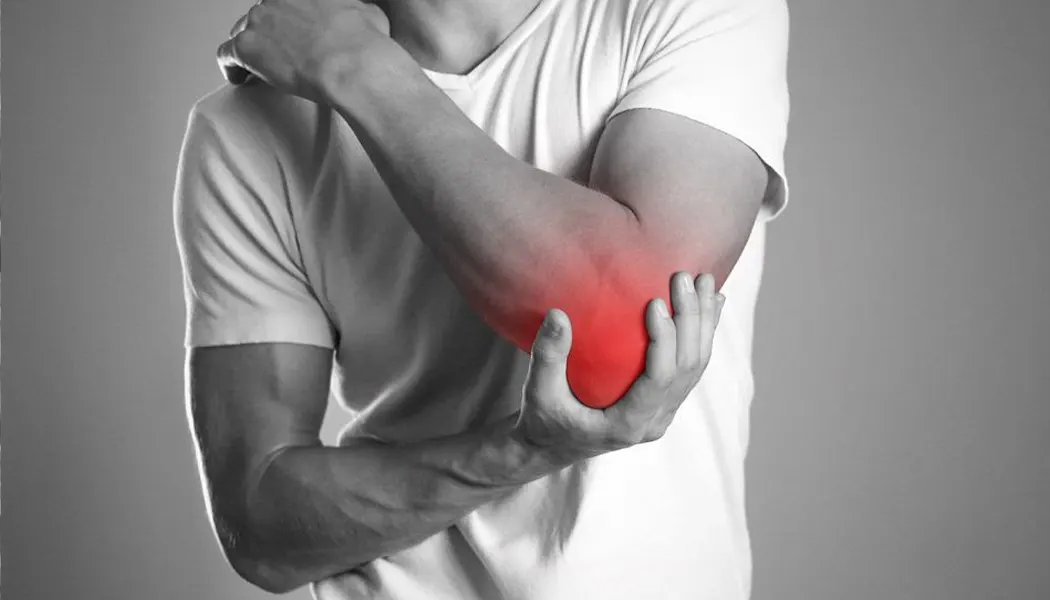
Tennis Elbow, medically known as Lateral Epicondylitis or more accurately Lateral Elbow Tendinopathy, is a condition affecting the tendons on the outer side of the elbow. It commonly develops due to repeated gripping, lifting, twisting, typing, tool use, or other repetitive wrist and forearm movements. Despite its name, it can affect anyone and is not limited to tennis players. At Pure Physio, treatment focuses on managing pain, improving tendon capacity, restoring strength and movement, and helping you gradually return to your normal work, sports, and daily activities.
What Are The Symptoms Of Tennis Elbow?
Pain on the Outer Side of the Elbow: This is the most common symptom.
Tenderness: The outer bony area of the elbow may be painful when touched.
Pain During Gripping: Holding or squeezing objects may cause discomfort.
Reduced Grip Strength: The hand may feel weaker when gripping.
Pain When Lifting: Lifting objects, particularly with the palm facing down, may aggravate symptoms.
Pain When Twisting: Activities such as opening jars or turning a door handle may be painful.
Pain During Wrist Movement: Straightening or extending the wrist against resistance may increase symptoms.
Pain During Typing or Computer Work: Repetitive hand and wrist activity may aggravate symptoms in some individuals.
Pain Using Tools: Activities involving repeated gripping or tool use may be difficult.
Pain During Sports: Tennis, badminton, golf, or other sports involving gripping may aggravate symptoms.
Pain Travelling into the Forearm: Discomfort may extend from the elbow into the outer forearm.
Morning Stiffness: The elbow or forearm may feel stiff after rest.
Difficulty with Everyday Activities: Carrying bags, pouring from a kettle, shaking hands, or picking up objects may become uncomfortable.
Symptoms can develop gradually or, in some cases, after a sudden increase in repetitive activity.
What Are The Causes Of Tennis Elbow?
Tennis elbow is usually associated with repeated or excessive loading of the wrist and forearm tendons.
Repetitive Gripping: Frequent gripping can place repeated stress on the tendons.
Repeated Wrist Movements: Regular wrist extension or repetitive hand movements may contribute.
Lifting Activities: Repeated lifting, particularly with poor technique or excessive load, can increase tendon stress.
Manual Work: Carpentry, plumbing, painting, construction, cooking, and other occupations involving repetitive arm use may contribute.
Computer and Desk Work: Prolonged repetitive hand and mouse use may contribute in some individuals.
Sports Activities: Tennis and other racket sports can place repeated load on the forearm muscles.
Poor Technique: Incorrect sporting or work technique can increase stress on the elbow.
Sudden Increase in Activity: Rapidly increasing training, work, or exercise volume can overload the tendon.
Weak Forearm Muscles: Reduced strength and capacity may affect the tendon’s ability to tolerate repeated loading.
Poor Load Management: Continuing high levels of aggravating activity without adequate recovery may prolong symptoms.
Age-Related Tendon Changes: Tendon structure and recovery capacity can change with age.
In many cases, symptoms result from a combination of repeated loading and reduced tendon capacity.
Diagnosis Of Tennis Elbow
Medical History: A healthcare professional will ask about your symptoms, occupation, sports, repetitive activities, and when the pain began.
Physical Examination: The elbow and surrounding muscles are assessed for tenderness and movement.
Palpation: Pressure over the outer elbow may reproduce symptoms.
Wrist Resistance Tests: Resisted wrist or finger movements may reproduce characteristic pain.
Grip Strength Assessment: Hand and forearm strength may be evaluated.
Range of Motion Assessment: Movement of the elbow, wrist, and forearm is assessed.
Functional Assessment: Activities such as gripping, lifting, twisting, and carrying may be evaluated.
Neck and Nerve Assessment: The neck and nerves may be assessed when symptoms suggest another source of pain.
Ultrasound: Ultrasound may assess tendon changes in selected cases.
MRI: MRI may be considered when the diagnosis is unclear or another condition is suspected.
X-Rays: X-rays may be used to investigate other possible causes of elbow pain when required.
Tennis elbow is commonly diagnosed through a combination of symptoms and clinical examination.
Treatment Of Tennis Elbow
Treatment depends on the severity, duration, and impact of symptoms.
Activity Modification: Temporarily reducing or changing activities that repeatedly aggravate the elbow may help manage symptoms.
Physiotherapy: A structured rehabilitation programme can help improve tendon capacity, strength, and function.
Progressive Strengthening: Carefully progressed exercises help the tendon and muscles adapt to load.
Load Management: Treatment includes guidance on balancing activity and recovery.
Pain Management: A doctor may recommend suitable pain relief when required.
Cold Therapy: Cold may provide temporary pain relief for some individuals.
Bracing or Strapping: A counterforce strap or other support may help selected individuals during aggravating activities.
Ergonomic Modifications: Adjusting workstation setup, tools, grip positions, or work techniques may reduce unnecessary strain.
Injection Therapy: Certain injections may be considered in selected cases after appropriate medical assessment.
Shockwave Therapy: This may be considered for some persistent tendon conditions.
Surgery: Surgery is rarely required and is generally considered only when significant symptoms persist despite appropriate non-surgical treatment.
Recovery can take time, particularly when symptoms have been present for a long period, so a progressive approach is important.
What Is The Physiotherapy Treatment Of Tennis Elbow
Detailed Assessment: At Pure Physio, we assess your elbow pain, wrist and forearm movement, grip strength, work demands, sports activities, and functional limitations.
Pain-Guided Rehabilitation: Exercises and activities are adjusted according to your symptoms and ability to tolerate load.
Isometric Exercises: Static muscle contractions may be used at appropriate stages of rehabilitation.
Progressive Forearm Strengthening: Exercises gradually strengthen the wrist extensor muscles and tendons.
Eccentric and Resistance Training: Progressive loading may help improve tendon capacity when clinically appropriate.
Grip Strengthening: Exercises help rebuild the strength needed for holding and carrying objects.
Wrist Strengthening: Progressive exercises support better control and function of the wrist.
Forearm Mobility Exercises: Controlled movements help maintain comfortable elbow, wrist, and forearm mobility.
Flexibility Exercises: Selected stretches may address muscle tightness when appropriate.
Manual Therapy: Hands-on techniques may be used as part of an overall treatment plan where clinically suitable.
Soft-Tissue Techniques: Appropriate techniques may help address surrounding muscle tightness.
Ergonomic Assessment: We provide practical advice regarding workstation setup, repetitive work, tools, and gripping techniques.
Activity Modification: We help identify which activities may need temporary modification and how to gradually reintroduce them.
Sports-Specific Rehabilitation: Athletes may receive progressive training for gripping, racket handling, throwing, or other sport-specific demands.
Home Exercise Programme: A personalised programme supports regular strengthening and recovery between sessions.
Progress Monitoring: Your rehabilitation plan is reviewed and progressed according to improvements in pain, strength, and function.
Why Choose Pure Physio?
Detailed Elbow Assessment: We assess your pain, tendon-related symptoms, movement, grip strength, activity demands, and functional limitations.
Personalised Rehabilitation Plans: Your treatment is adapted to your work, lifestyle, sport, and individual recovery goals.
Focus on Tendon Strength and Capacity: Rehabilitation aims to progressively improve the tendon’s ability to tolerate everyday and sporting loads.
Individualised Exercise Progression: Exercises are selected and advanced according to your symptoms and physical response.
Grip and Forearm Strength Recovery: We focus on rebuilding the strength needed for gripping, lifting, carrying, and other daily tasks.
Practical Work and Ergonomic Advice: We provide guidance on modifying repetitive activities, workstation setup, tools, and movement techniques.
Load Management Education: We help you understand how to balance activity and recovery during rehabilitation.
Functional Rehabilitation: Treatment focuses on returning you to important activities such as work, household tasks, exercise, and sports.
Sports-Specific Recovery: Active individuals can progress towards the physical demands of racket sports and other activities.
Regular Progress Monitoring: Your programme is reviewed and adjusted as your pain, strength, and functional ability improve.
Integrated Care Approach: When additional investigations, medical treatment, or specialist assessment is required, we can support rehabilitation as part of your wider care plan.
Focused on Long-Term Recovery: Our goal is to help you reduce the impact of elbow pain, restore strength and confidence, and return safely to the activities that matter to you.
Start Your Recovery Journey Today
Don’t let pain, stiffness, or reduced mobility affect your daily life. Get personalised physiotherapy care designed around your condition and recovery goals.