
Tendinitis
Get personalised assessment and physiotherapy at Pure Physio to support pain relief, strength, and a confident return to activity.
Contents
Take the First Step Towards Better Movement
Our experienced physiotherapists are here to help you improve mobility, regain strength, and move with greater comfort and confidence.
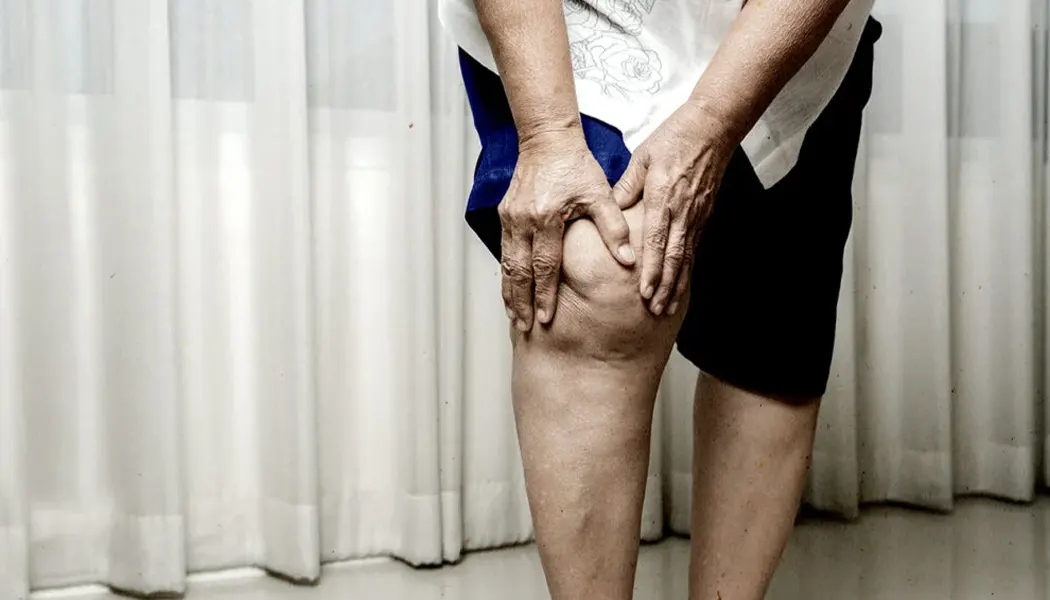
What is Tendinitis?
A tendon is a strong band of connective tissue that attaches a muscle to a bone. When a muscle contracts, the tendon transfers force to the bone, helping the body create movement.
Tendinitis is a term commonly used to describe pain and irritation affecting a tendon. In some cases, there may be inflammation, particularly during the early stages of an acute injury. However, long-lasting tendon pain is not always caused by ongoing inflammation. Chronic tendon conditions may involve changes in the tendon structure and are often described more accurately as tendinopathy.
Tendon problems can develop when the tendon is repeatedly exposed to a level of force greater than it can currently tolerate. This may happen due to repetitive movements, increased training intensity, sudden changes in activity, poor recovery, or other physical factors.
Common areas affected by tendon problems include:
Rotator Cuff Tendons: Affecting the shoulder.
Biceps Tendon: Affecting the front of the shoulder or upper arm.
Common Extensor Tendons: Affecting the outer side of the elbow, commonly associated with tennis elbow.
Common Flexor Tendons: Affecting the inner side of the elbow, commonly associated with golfer’s elbow.
Patellar Tendon: Located below the kneecap.
Achilles Tendon: Located at the back of the ankle.
Gluteal Tendons: Located around the outer side of the hip.
Wrist and Hand Tendons: Which can be affected by repetitive gripping and hand movements.
The severity and recovery time vary depending on the affected tendon, duration of symptoms, tendon capacity, and individual activity demands. A proper assessment helps identify the source of symptoms and guide an appropriate treatment plan.
What Are The Symptoms Of Tendinitis?
Pain Around the Affected Tendon: Pain is commonly felt where the tendon attaches to the bone or along the course of the tendon.
Pain During Movement: Activities that use the affected muscle and tendon may reproduce or increase symptoms.
Tenderness: The tendon or surrounding area may feel painful when touched or pressed.
Stiffness: The affected area may feel stiff, particularly after rest or during the first few movements of the day.
Pain During Repetitive Activity: Repeated movements such as running, lifting, gripping, throwing, jumping, or typing may aggravate symptoms depending on the affected tendon.
Weakness: Pain may reduce the ability to generate force, making the affected area feel weak during activity.
Reduced Range of Motion: Pain and stiffness may limit comfortable movement of the nearby joint.
Swelling: Some acute tendon injuries may involve mild swelling around the affected area.
Warmth or Redness: Inflammatory symptoms may occasionally occur, particularly with acute tendon irritation.
Pain After Increased Activity: Symptoms may become more noticeable after an increase in exercise intensity, training volume, work demands, or repetitive activity.
Reduced Physical Performance: Sports, exercise, work, and everyday activities may become difficult because the tendon cannot comfortably tolerate its usual level of load.
What Are The Causes Of Tendinitis?
Repetitive Movements: Repeated use of the same muscle and tendon can expose the tissue to frequent loading.
Overuse: Performing more activity than the tendon can currently tolerate may contribute to pain and irritation.
Sudden Increase in Activity: Rapidly increasing training intensity, duration, frequency, speed, or exercise volume can overload the tendon.
Sports Activities: Running, jumping, throwing, swimming, racquet sports, and other repetitive sports movements may contribute to tendon problems.
Repetitive Work Activities: Repeated lifting, gripping, typing, reaching, or other occupational movements can place ongoing stress on certain tendons.
Poor Recovery: Insufficient recovery between demanding activities may affect the tendon’s ability to adapt to repeated loading.
Muscle Weakness: Reduced strength in the muscles supporting a joint may change how forces are managed during movement.
Reduced Flexibility or Movement Restrictions: Limited movement in nearby joints may alter movement patterns and increase stress on certain tissues.
Poor Movement Control: Changes in posture, technique, or movement control may contribute to excessive loading in some individuals.
Previous Tendon Injury: A history of tendon pain or injury may increase the risk of recurring symptoms.
Age-Related Changes: Tendon structure and capacity can change with age, which may influence susceptibility to tendon problems.
Certain Medical Conditions and Medications: Some health conditions or medications may influence tendon health. Individual concerns should be discussed with a qualified healthcare professional.
Diagnosis Of Tendinitis
Medical History: A healthcare professional will ask when symptoms started, where the pain is located, which activities cause discomfort, recent changes in physical activity, work demands, and previous injuries.
Physical Examination: The affected area is assessed for tenderness, swelling, movement limitations, pain during muscle contraction, and pain when the tendon is placed under load.
Strength Assessment: Relevant muscle groups may be assessed to identify weakness or reduced load tolerance.
Movement Assessment: Functional movements related to your work, exercise, sport, or everyday activities may be assessed.
Special Clinical Tests: Specific tests may be used depending on the tendon involved to reproduce symptoms and identify the likely source of pain.
Ultrasound: In selected cases, ultrasound imaging may be used to assess tendon structure and surrounding tissues.
MRI Scan: An MRI may be considered when additional information is required or another injury is suspected.
X-Ray: X-rays may be used in selected cases to assess bony changes or rule out other possible causes of pain.
Differential Diagnosis: A healthcare professional may assess whether symptoms are coming from the tendon or another structure, such as a joint, muscle, nerve, or ligament.
Treatment Of Tendinitis
Activity Modification: Temporarily reducing or modifying activities that significantly aggravate symptoms can help manage tendon load while maintaining appropriate levels of movement.
Relative Rest: Complete inactivity is not always necessary. Appropriate activity is usually adjusted according to the severity of symptoms and the tendon’s current capacity.
Physiotherapy: A personalised rehabilitation programme can help manage symptoms, improve strength, and gradually increase the tendon’s ability to tolerate load.
Progressive Exercise Rehabilitation: Carefully selected exercises progressively load the tendon and associated muscles based on symptoms and physical capacity.
Pain Management: A qualified healthcare professional may recommend appropriate pain management options when required.
Cold Therapy: Cold therapy may be considered for temporary symptom relief in some acute cases.
Manual Therapy: Where appropriate, hands-on techniques may be used to address relevant movement restrictions or surrounding muscle tightness.
Addressing Contributing Factors: Treatment may address factors such as muscle weakness, reduced mobility, movement patterns, training errors, footwear, equipment, or workplace demands where relevant.
Gradual Return to Activity: Exercise, work, and sports activities are progressively increased as the tendon becomes better able to tolerate load.
Medical or Specialist Treatment: Persistent or severe symptoms may require further medical evaluation. Depending on the diagnosis and affected tendon, a specialist may consider additional treatment options.
What Is The Physiotherapy Treatment Of Tendinitis
Detailed Physiotherapy Assessment: At Pure Physio, treatment begins with understanding your symptoms, the affected tendon, activity demands, recent changes in workload, strength, mobility, movement patterns, and individual recovery goals.
Pain and Load Management: Your physiotherapist helps identify activities that are overloading the tendon and develops a plan to modify them without unnecessarily stopping all movement.
Progressive Tendon Loading: Carefully selected exercises are used to gradually improve the tendon’s ability to tolerate force. The intensity and type of exercise are progressed according to your symptoms and physical capacity.
Isometric Exercises: In some cases, static muscle contractions may be included as part of early rehabilitation when appropriate.
Strengthening Exercises: Progressive resistance exercises may strengthen the affected muscles and improve overall tendon capacity.
Mobility and Flexibility Training: Where relevant, exercises may address movement restrictions in the affected area and nearby joints.
Movement Retraining: Your physiotherapist may assess and address movement patterns relevant to your work, sport, or daily activities.
Functional Rehabilitation: Treatment progresses towards activities that are important to you, such as walking, running, lifting, climbing stairs, gripping, throwing, or sports-specific movements.
Sport-Specific Rehabilitation: Athletes may progress through exercises designed around the physical demands of their sport, including gradual exposure to higher-speed, power, jumping, or repetitive movements where appropriate.
Education on Training and Load Management: You may receive guidance on gradually increasing activity, managing recovery, and avoiding sudden increases in tendon loading.
Home Exercise Programme: A personalised programme may be provided to continue progressive strengthening and rehabilitation between physiotherapy sessions.
Why Choose Pure Physio?
Detailed Assessment: We assess the affected tendon, symptoms, movement, strength, physical demands, and potential contributing factors to understand your individual condition.
Personalised Treatment Plans: Every tendon problem is different. Your rehabilitation programme is tailored according to the affected area, duration of symptoms, physical capacity, lifestyle, and goals.
Progressive Exercise-Based Rehabilitation: We use carefully progressed exercises to help suitable patients improve muscle strength and tendon load tolerance.
Focus on the Underlying Factors: Our approach considers relevant factors such as activity levels, training changes, movement patterns, strength, mobility, and recovery.
Support for Work, Exercise, and Sports: Rehabilitation is progressed towards the specific physical activities that matter most to you.
Practical Self-Management Guidance: We provide advice on activity modification, exercise progression, recovery, and strategies to help manage symptoms.
Long-Term Functional Focus: Our goal is to help suitable patients improve movement, physical capacity, and confidence so they can return gradually to everyday activities and the things they enjoy.
Start Your Recovery Journey Today
Don’t let pain, stiffness, or reduced mobility affect your daily life. Get personalised physiotherapy care designed around your condition and recovery goals.