Temporomandibular Joint
Relieve jaw pain, improve movement, and restore comfortable everyday function with personalised physiotherapy for TMJ disorders.
Contents
Take the First Step Towards Better Movement
Our experienced physiotherapists are here to help you improve mobility, regain strength, and move with greater comfort and confidence.
What is Temporomandibular Joint ?
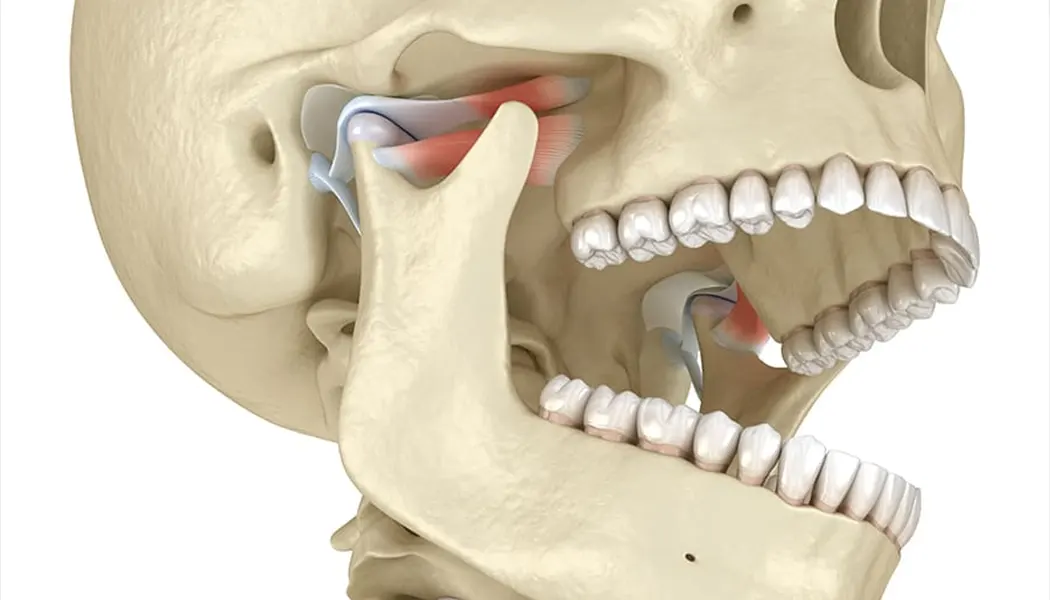
The Temporomandibular Joints (TMJs) are the two joints located on either side of the head, just in front of the ears, where the lower jawbone connects with the skull. These joints work together with the surrounding muscles, ligaments, and a small cushioning disc to allow movements such as opening and closing the mouth, chewing, speaking, and yawning.
A Temporomandibular Joint Disorder (TMD) occurs when there is a problem affecting the TMJ itself, the cushioning disc within the joint, or the muscles that control jaw movement. Symptoms can range from mild and temporary discomfort to persistent pain and restricted jaw function. TMJ disorders can have multiple contributing factors, including jaw muscle overactivity, teeth grinding or clenching, joint irritation, injury, stress, arthritis, and changes in how the teeth or jaw function together. Some people may also experience clicking or popping without pain or functional problems, which does not always require treatment.
What Are The Symptoms Of Temporomandibular Joint ?
Jaw Symptoms
Jaw Pain: Pain or tenderness may occur around one or both jaw joints.
Difficulty Opening the Mouth: The mouth may not open fully or comfortably.
Limited Jaw Movement: Moving the jaw may feel restricted or stiff.
Pain While Chewing: Chewing may increase discomfort.
Jaw Clicking or Popping: Clicking, popping, or grating sounds may occur during jaw movement.
Jaw Locking: The jaw may temporarily become stuck in an open or closed position.
Pain with Yawning: Wide mouth opening may cause discomfort.
Muscle Tightness: The jaw and facial muscles may feel tense or tired.
Deviation During Mouth Opening: The jaw may move slightly to one side while opening.
Facial And Head Symptoms
Facial Pain: Pain may occur in the cheeks, temples, or around the jaw.
Headaches: Some individuals experience headaches associated with jaw and muscle tension.
Pain Around the Ear: Discomfort may be felt in front of, around, or near the ear.
Temple Pain: The muscles around the temples may become sore or tender.
Associated Symptoms
Neck Pain: Neck muscle tension or dysfunction may occur alongside TMJ symptoms.
Shoulder Tension: Tightness around the neck and shoulders may contribute to overall discomfort.
Ear Fullness: Some people report a feeling of fullness around the ear.
Tinnitus: Ringing or other sounds in the ears may occur, although these symptoms can have other causes and should be appropriately assessed.
Symptoms can vary considerably, and not everyone experiences the same combination of problems.
What Are The Causes Of Temporomandibular Joint ?
TMJ disorders often develop due to a combination of factors rather than one single cause.
Teeth Clenching: Repeated clenching can overload the jaw muscles and joints.
Teeth Grinding: Bruxism, particularly during sleep, can increase strain on the jaw.
Jaw Muscle Tension: Persistent overactivity of the chewing muscles can cause pain and restricted movement.
Stress: Stress may contribute to increased jaw clenching and muscle tension.
Jaw Injury: A blow, fall, or other injury may affect the jaw joint or surrounding tissues.
Joint Disc Problems: Changes in the position or movement of the cushioning disc can contribute to clicking, locking, or restricted movement.
Arthritis: Degenerative or inflammatory joint conditions can affect the TMJ.
Joint Hypermobility: Excessive movement of the jaw joint may contribute to instability or discomfort.
Prolonged Mouth Opening: Extended dental procedures or other prolonged jaw positions may temporarily aggravate symptoms.
Postural Factors: Neck and head posture may contribute to muscle tension and movement patterns.
Muscle Overuse: Repeated chewing, gum chewing, nail biting, or other habits may overload the jaw muscles.
Poor Sleep: Sleep disturbance can influence pain sensitivity and muscle tension.
The cause of TMJ symptoms may not always be clearly identifiable.
Diagnosis Of Temporomandibular Joint
Medical and Dental History: A healthcare professional will ask about jaw pain, clicking, locking, headaches, clenching, grinding, previous injury, and functional difficulties.
Physical Examination: Jaw movement, mouth opening, joint sounds, muscle tenderness, and movement patterns may be assessed.
Palpation: The TMJ and surrounding jaw and facial muscles may be examined for tenderness.
Range of Motion Assessment: The amount and quality of jaw opening and other movements may be measured.
Neck Assessment: Neck movement, posture, and muscle function may be assessed when relevant.
Dental Examination: A dentist may assess the teeth, bite, signs of grinding, and other dental factors.
X-Rays: Imaging may be used to assess the bony structures of the joint.
MRI: MRI can provide detailed information about the TMJ disc and surrounding soft tissues.
CT Scan: CT may be used to assess detailed bony changes.
Further assessment may be required if symptoms suggest another dental, ear, neurological, or medical condition.
Treatment Of Temporomandibular Joint
Treatment depends on the cause, symptoms, and severity of the condition. Conservative treatment is commonly considered first.
Education: Understanding jaw habits, triggers, and activities that aggravate symptoms can support recovery.
Physiotherapy: Physiotherapy can help improve jaw movement, reduce muscle tension, and address associated neck and posture factors.
Activity Modification: Temporarily reducing excessive chewing, gum chewing, or very hard foods may help during painful flare-ups.
Jaw Relaxation: Learning to reduce unnecessary teeth contact and muscle tension can help some individuals.
Pain Management: A healthcare professional may recommend suitable pain-relief medication when appropriate.
Heat or Cold Therapy: Some people find temporary relief using heat or cold, depending on their symptoms.
Dental Treatment: A dentist may recommend treatment if dental or bite-related problems require management.
Occlusal Splints: A dental splint may be considered in selected cases, particularly when bruxism or teeth grinding is a contributing factor.
Stress Management: Strategies that reduce stress may help individuals who clench or tighten their jaw during periods of stress.
Injections: Certain injections may be considered in selected cases under appropriate specialist care.
Surgery: Surgery is rarely required and is generally considered only for specific structural problems or severe cases that have not responded to appropriate conservative treatment.
What Is The Physiotherapy Treatment Of Temporomandibular Joint
Detailed Assessment: At Pure Physio, we assess your jaw movement, pain, mouth-opening ability, muscle tension, neck movement, posture, and everyday functional difficulties.
Individualised Treatment Plan: Your rehabilitation programme is designed according to your symptoms, movement findings, contributing factors, and recovery goals.
Jaw Mobility Exercises: Carefully selected exercises can help improve comfortable mouth opening and jaw movement.
Controlled Movement Training: We help improve awareness and control of jaw movements.
Jaw Relaxation Techniques: Strategies may help reduce unnecessary muscle tension and teeth clenching.
Muscle Stretching: Gentle stretches may help improve flexibility of tight jaw and surrounding muscles.
Neck Mobility Exercises: Appropriate exercises can address neck stiffness when it contributes to symptoms.
Postural Training: Guidance may help reduce unnecessary strain and improve head, neck, and upper-body movement habits.
Manual Therapy: Appropriate hands-on techniques may be used to address joint and muscle restrictions when clinically suitable.
Soft Tissue Techniques: Treatment may address muscle tightness in the jaw, face, neck, and surrounding areas.
Home Exercise Programme: A personalised programme supports regular movement and symptom management between sessions.
Habit Modification: We provide practical guidance to reduce habits such as excessive clenching, gum chewing, nail biting, or prolonged jaw tension.
Functional Training: Rehabilitation focuses on comfortable chewing, speaking, yawning, and other everyday jaw movements.
Pain Management Strategies: We provide practical guidance to help manage flare-ups and avoid unnecessary aggravation.
Progress Monitoring: Your programme is reviewed and adjusted according to changes in pain, movement, and function.
Why Choose Pure Physio?
Detailed Assessment: We assess your jaw movement, pain, muscle function, neck mobility, posture, and everyday functional difficulties.
Personalised Treatment Plans: Your rehabilitation is adapted according to your symptoms and the factors contributing to your condition.
Focus on Comfortable Jaw Movement: We work to improve mouth opening, chewing, speaking, and other essential movements.
Jaw and Muscle Rehabilitation: Treatment addresses movement restrictions and unnecessary muscle tension.
Neck and Posture Assessment: We consider related neck and upper-body factors that may contribute to your symptoms.
Individualised Exercise Guidance: You receive a practical programme designed around your specific movement and functional needs.
Education and Habit Support: We provide guidance on managing clenching, grinding-related habits, and activities that overload the jaw.
Conservative Treatment Approach: Rehabilitation focuses on non-invasive strategies where appropriate.
Functional Rehabilitation: Therapy supports the everyday activities affected by jaw pain and movement restrictions.
Pain Management Support: We provide practical strategies to help manage symptoms and flare-ups.
Regular Progress Monitoring: Your treatment is reviewed and adapted according to your response and progress.
Integrated Care Approach: When required, we support physiotherapy alongside dentists, oral and maxillofacial specialists, doctors, and other healthcare professionals.
Focused on Comfort and Quality of Life: Our goal is to help reduce pain, improve jaw movement, restore functional confidence, and support comfortable participation in everyday activities.
Start Your Recovery Journey Today
Don’t let pain, stiffness, or reduced mobility affect your daily life. Get personalised physiotherapy care designed around your condition and recovery goals.