
Tailbone Pain
Relieve tailbone discomfort, improve sitting tolerance, and move more comfortably with personalised physiotherapy for tailbone pain.
Contents
Take the First Step Towards Better Movement
Our experienced physiotherapists are here to help you improve mobility, regain strength, and move with greater comfort and confidence.
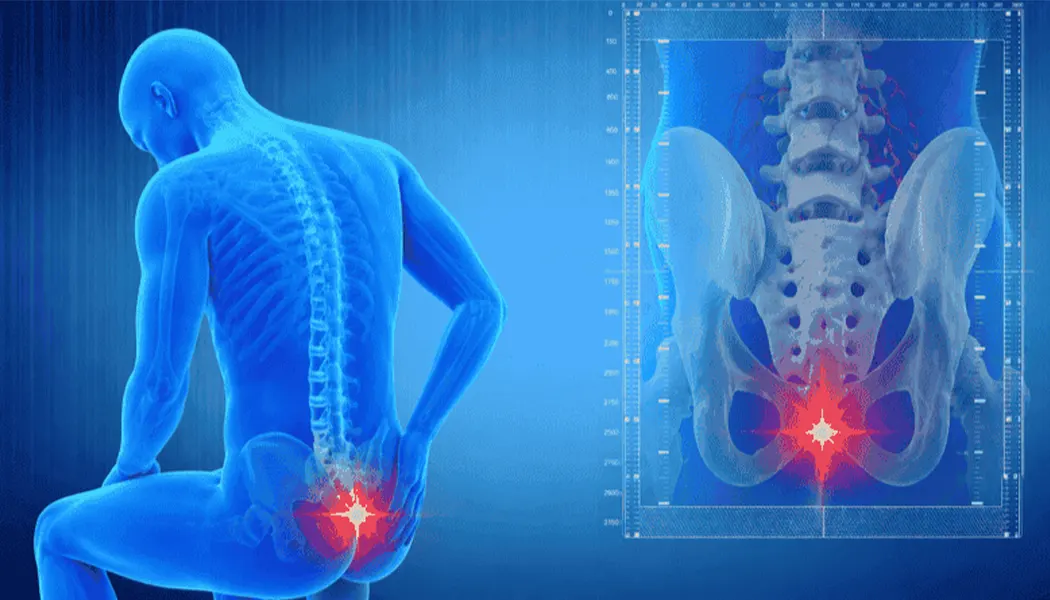
What is Tailbone Pain?
Tailbone Pain, medically known as Coccydynia, is pain felt around the coccyx, the small triangular bone at the bottom of the spine. It commonly causes discomfort when sitting, especially on hard surfaces, and pain may increase when moving from sitting to standing. Tailbone pain can develop after a fall, direct injury, prolonged pressure, childbirth, or repeated strain, although sometimes no clear cause is identified. At Pure Physio, treatment focuses on identifying contributing factors, improving movement and muscle function, managing pain, and helping you return to comfortable sitting and daily activities.
Tailbone Pain, also called Coccydynia, is pain and tenderness in or around the coccyx, which is located at the very bottom of the spinal column. The coccyx is connected to muscles, ligaments, and other soft tissues involved in pelvic and lower-body function. Pain can occur due to direct trauma, repeated pressure, abnormal movement of the coccyx, strain on surrounding tissues, or changes related to childbirth. In some cases, tailbone pain may develop gradually without a clearly identifiable injury. Symptoms are often most noticeable while sitting or when changing position from sitting to standing. The condition can range from mild discomfort to persistent pain that affects work, driving, sleep, exercise, and other daily activities.
What Are The Symptoms Of Tailbone Pain?
Pain Around the Tailbone: Pain is felt directly over or around the coccyx.
Pain When Sitting: Sitting, particularly on hard or narrow surfaces, may increase discomfort.
Pain When Sitting for Long Periods: Symptoms may gradually worsen during prolonged sitting.
Pain When Standing Up: Moving from sitting to standing may cause a sharp increase in pain.
Tenderness: Pressing around the tailbone may cause discomfort.
Sharp Pain: Pain may feel sharp during certain movements or changes in position.
Aching Pain: A persistent dull ache may occur around the coccyx.
Pain When Leaning Back: Leaning backwards while sitting may place additional pressure on the tailbone.
Pain During Bowel Movements: Straining or passing stool may increase pain in some individuals.
Pain During Sexual Activity: Some individuals may experience increased discomfort during sexual activity.
Pain During Exercise: Activities involving sitting, repeated impact, or pressure around the tailbone may aggravate symptoms.
Difficulty Sitting Comfortably: People may shift their weight to one side or lean forward to avoid direct pressure.
Reduced Daily Function: Work, driving, travelling, and other activities involving sitting may become difficult.
Symptoms can vary depending on the cause and severity of the condition.
What Are The Causes Of Tailbone Pain?
Tailbone pain can develop for several reasons.
Fall or Direct Injury: Falling backwards onto the buttocks can bruise, strain, or injure the coccyx and surrounding tissues.
Childbirth: Pressure and strain during childbirth can affect the coccyx and supporting structures.
Prolonged Sitting: Long periods of sitting, particularly on hard surfaces, can place repeated pressure on the tailbone.
Repeated Strain: Activities involving repetitive pressure or impact around the coccyx may contribute to symptoms.
Coccyx Mobility Changes: The coccyx may move excessively or have reduced movement, contributing to pain.
Poor Sitting Posture: Sustained positions that place increased pressure on the tailbone may aggravate symptoms.
Pelvic Floor Muscle Dysfunction: Changes in pelvic floor muscle tension or coordination may contribute to coccyx pain in some individuals.
Muscle and Ligament Strain: Soft tissues attached around the coccyx can become irritated or strained.
Spinal or Pelvic Conditions: Problems affecting nearby structures may sometimes refer pain to the tailbone region.
Body Weight Changes: Significant changes in body weight may alter pressure and cushioning around the coccyx.
Infection or Tumour: Rarely, persistent tailbone pain may be related to a more serious underlying cause.
Unknown Cause: In some cases, no clear cause can be identified.
Diagnosis Of Tailbone Pain
Medical History: A healthcare professional will ask when the pain began, whether there was a fall or injury, and which positions or activities worsen symptoms.
Physical Examination: The lower back, pelvis, hips, and tailbone region may be assessed.
Palpation: Gentle examination may identify tenderness around the coccyx and surrounding tissues.
Movement Assessment: Movement of the lower back, hips, and pelvis may be evaluated.
Postural Assessment: Sitting and standing posture may be assessed to identify positions that increase pressure.
Functional Assessment: Sitting tolerance, sit-to-stand movement, walking, and other daily activities may be evaluated.
Pelvic Floor Assessment: When clinically appropriate and performed by a suitably qualified professional, pelvic floor muscle function may be assessed.
X-Rays: X-rays may be considered after significant trauma or when a fracture or structural abnormality is suspected.
Dynamic X-Rays: Sitting and standing X-rays may occasionally be used to assess coccyx movement.
MRI: MRI may be considered when symptoms persist or when soft-tissue injury, infection, tumour, or another condition is suspected.
CT Scan: CT may be used to provide detailed assessment of bony structures in selected cases.
Diagnosis is based on the person’s symptoms, physical assessment, and appropriate imaging when required.
Treatment Of Tailbone Pain
Treatment depends on the underlying cause and severity of symptoms.
Activity Modification: Temporarily avoiding or modifying activities that place excessive pressure on the coccyx can help reduce symptoms.
Sitting Modification: Leaning slightly forward or changing sitting position may help reduce direct pressure on the tailbone.
Coccyx Cushion: A specially designed cushion with a cut-out area may help reduce pressure while sitting.
Physiotherapy: Rehabilitation can address movement, posture, muscle function, and contributing physical factors.
Pain Management: A doctor may recommend suitable medication when required.
Cold or Heat Therapy: Depending on the cause and stage of symptoms, cold or heat may provide temporary comfort.
Manual Therapy: Appropriate treatment may be considered to address surrounding joint or soft-tissue restrictions.
Pelvic Floor Rehabilitation: When pelvic floor muscle dysfunction contributes to symptoms, specialised rehabilitation may be beneficial.
Injections: Injections may be considered for persistent pain following appropriate medical assessment.
Ganglion Impar Block: A specialised pain procedure may be considered in selected cases of persistent coccydynia.
Surgery: Removal of the coccyx is rarely considered and is usually reserved for severe, persistent symptoms that do not improve with other treatments.
Most people improve with appropriate conservative management, although recovery time can vary.
What Is The Physiotherapy Treatment Of Tailbone Pain
Detailed Assessment: At Pure Physio, we assess your symptoms, sitting tolerance, posture, lower-back and hip movement, pelvic control, muscle strength, and daily functional limitations.
Pain-Guided Rehabilitation: Your treatment is planned according to your symptoms, underlying cause, and ability to tolerate movement and activity.
Sitting Posture Training: We provide practical guidance on positions that may help reduce unnecessary pressure on the coccyx.
Movement Re-Education: Therapy helps improve comfortable and efficient movement during activities such as sitting, standing, bending, and walking.
Lower Back Mobility Exercises: Carefully selected exercises help maintain comfortable movement of the lower back.
Hip Mobility Exercises: Improving hip movement may help reduce compensatory strain around the pelvis and lower spine.
Core Strengthening: Progressive exercises improve trunk strength and control.
Pelvic Stability Training: Exercises may help improve coordination and control of muscles around the pelvis.
Gluteal Strengthening: Strengthening the hip and buttock muscles can support functional movement and pelvic control.
Stretching Exercises: Appropriate stretches may address muscle tightness affecting the hips, pelvis, and lower back.
Manual Therapy: Hands-on treatment may be used where clinically appropriate to address surrounding movement restrictions.
Pelvic Floor Rehabilitation: When indicated, appropriately qualified physiotherapists may provide assessment and treatment for pelvic floor muscle dysfunction.
Functional Training: Therapy focuses on improving activities such as sitting, standing up, walking, driving, and work-related tasks.
Activity Modification Advice: We help you gradually return to activities while managing positions and movements that aggravate symptoms.
Home Exercise Programme: A personalised exercise plan supports continued rehabilitation between sessions.
Progress Monitoring: Your programme is reviewed and adjusted according to changes in pain, sitting tolerance, mobility, and daily function.
Why Choose Pure Physio?
Detailed Assessment: We assess the tailbone region, posture, movement, muscle function, sitting tolerance, and contributing physical factors.
Personalised Treatment Plans: Your rehabilitation is adapted according to your symptoms, underlying cause, lifestyle, and recovery goals.
Focus on Sitting Comfort: We provide practical strategies to help improve sitting tolerance and reduce unnecessary pressure on the coccyx.
Movement and Postural Rehabilitation: Treatment addresses the way you sit, stand, move, and perform everyday activities.
Core and Pelvic Strengthening: We focus on improving strength and control around the trunk and pelvis.
Hip and Lower-Back Mobility: Rehabilitation addresses movement restrictions that may contribute to discomfort.
Pelvic Floor Support: When appropriate, rehabilitation can address pelvic floor muscle factors with suitably qualified care.
Functional Rehabilitation: Therapy focuses on helping you return to work, driving, travelling, exercise, and other meaningful activities.
Pain-Guided Exercise Progression: Exercises are progressed according to your symptoms and physical response.
Practical Self-Management Guidance: We provide advice on cushions, posture, activity modification, and home exercises.
Regular Progress Monitoring: Your treatment plan is reviewed and adjusted according to improvements in pain and function.
Integrated Care Approach: When imaging, pain procedures, pelvic health care, or specialist assessment is required, we support rehabilitation as part of a coordinated healthcare plan.
Focused on Long-Term Comfort and Function: Our goal is to help reduce tailbone pain, improve sitting tolerance and mobility, and support a confident return to everyday activities.
Start Your Recovery Journey Today
Don’t let pain, stiffness, or reduced mobility affect your daily life. Get personalised physiotherapy care designed around your condition and recovery goals.