Stroke Or Cerebrovascular Accident
Regain movement, improve independence, and rebuild confidence with personalised physiotherapy rehabilitation after a stroke.
Contents
Take the First Step Towards Better Movement
Our experienced physiotherapists are here to help you improve mobility, regain strength, and move with greater comfort and confidence.
What is Stroke Or Cerebrovascular Accident?
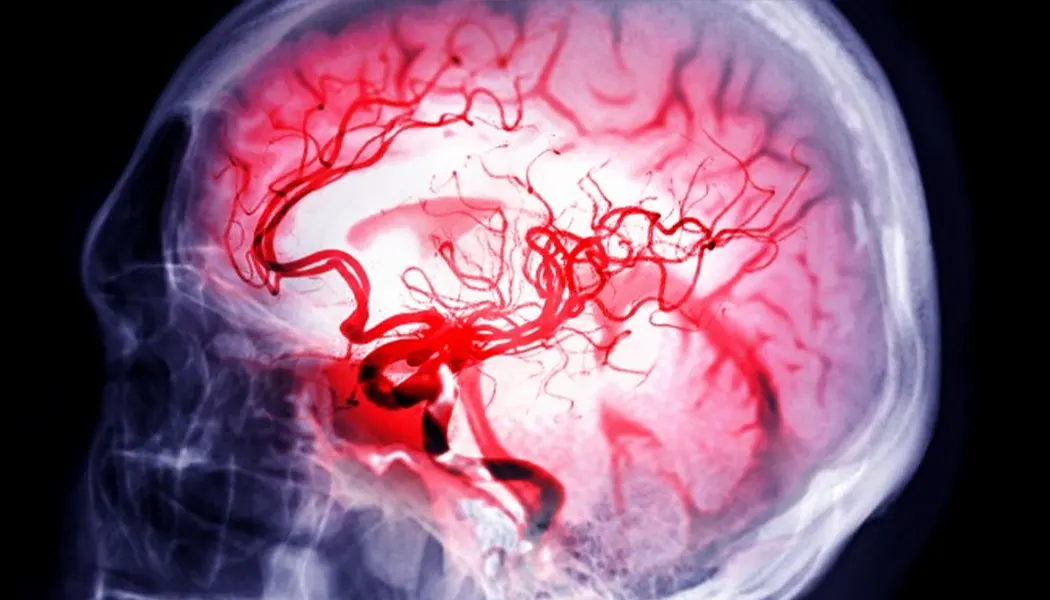
Stroke, also known as a Cerebrovascular Accident (CVA), occurs when the blood supply to part of the brain is interrupted or when a blood vessel in the brain ruptures. This can damage brain cells and affect functions such as movement, sensation, speech, balance, vision, thinking, and swallowing. The effects of a stroke vary depending on the area of the brain affected and the severity of the injury. At Pure Physio, rehabilitation focuses on improving movement, strength, balance, walking, coordination, and functional independence through an individualised programme based on each person’s needs and recovery goals.
A Stroke, or Cerebrovascular Accident (CVA), is a medical emergency in which part of the brain does not receive an adequate blood supply or bleeding occurs within or around the brain. Brain cells require a constant supply of oxygen and nutrients, so damage can occur when blood flow is disrupted. There are two main types of stroke: ischaemic stroke, caused by a blockage in a blood vessel supplying the brain, and haemorrhagic stroke, caused by bleeding from a ruptured blood vessel. A temporary interruption of blood flow that causes stroke-like symptoms but does not result in permanent brain damage is called a Transient Ischaemic Attack (TIA) and also requires urgent medical assessment. Stroke can cause sudden changes in movement, speech, facial symmetry, sensation, vision, coordination, or thinking. Prompt emergency treatment is essential because early treatment can significantly affect outcomes.
What Are The Symptoms Of Stroke Or Cerebrovascular Accident?
Stroke symptoms often begin suddenly. Common warning signs include:
Face Weakness: One side of the face may droop or feel numb.
Arm Weakness: Sudden weakness or numbness may affect one arm.
Leg Weakness: Sudden weakness or difficulty moving one leg may occur.
Speech Problems: Speech may become slurred, confused, or difficult to understand.
Difficulty Understanding Speech: A person may have difficulty understanding what others are saying.
Sudden Confusion: New confusion or difficulty thinking clearly may occur.
Sudden Vision Problems: Blurred vision, double vision, or loss of vision may occur.
Sudden Balance Problems: Dizziness, unsteadiness, or difficulty walking may develop.
Sudden Severe Headache: A sudden, severe headache may occur, particularly with certain haemorrhagic strokes.
Difficulty Swallowing: Swallowing problems may occur.
Numbness or Altered Sensation: Sudden loss or alteration of sensation may affect one side of the body.
Loss of Coordination: Movements may become clumsy or difficult to control.
Loss of Consciousness: This may occur in severe cases.
Remember the FAST warning signs:
F – Face: Ask the person to smile. Does one side of the face droop?
A – Arms: Ask the person to raise both arms. Does one arm drift down?
S – Speech: Is speech slurred, strange, or difficult to understand?
T – Time: Seek emergency medical help immediately.
If stroke symptoms are present, even if they improve or disappear, seek emergency medical care immediately. Do not wait for symptoms to pass.
What Are The Causes Of Stroke Or Cerebrovascular Accident?
Ischaemic Stroke
An ischaemic stroke occurs when a blood vessel supplying the brain becomes blocked.
Blood Clot: A clot can block blood flow within a brain artery.
Atherosclerosis: Fatty deposits can narrow or block blood vessels.
Embolism: A blood clot or other material may travel from another part of the body and block a brain artery.
Heart Conditions: Certain heart conditions can increase the risk of blood clots that travel to the brain.
Haemorrhagic Stroke
A haemorrhagic stroke occurs when a blood vessel ruptures and causes bleeding in or around the brain.
High Blood Pressure: Long-term uncontrolled hypertension is a major risk factor.
Blood Vessel Abnormalities: Certain abnormalities can increase the risk of bleeding.
Aneurysm: A weakened area of a blood vessel may rupture.
Head Trauma: Severe injury can sometimes cause bleeding within the brain.
Blood-Thinning Medication: These medicines can increase bleeding risk in certain situations.
Risk Factors
High Blood Pressure
Diabetes
High Cholesterol
Smoking
Obesity
Physical Inactivity
Unhealthy Diet
Excessive Alcohol Consumption
Certain Heart Conditions
Increasing Age
Family History
Previous Stroke or TIA
Some risk factors can be managed through medical treatment and lifestyle changes.
Diagnosis Of Stroke Or Cerebrovascular Accident
Emergency Medical Assessment: A suspected stroke requires immediate assessment.
Neurological Examination: Healthcare professionals assess movement, speech, sensation, vision, coordination, and consciousness.
CT Scan: A CT scan is commonly performed urgently to identify bleeding and help determine the type of stroke.
MRI: MRI can provide detailed information about areas of brain injury.
CT Angiography: Imaging of blood vessels may identify blockages or other abnormalities.
MR Angiography: MRI-based imaging may also assess blood vessels.
Blood Tests: Tests may assess blood glucose, clotting, cholesterol, and other medical factors.
ECG: An electrocardiogram may assess heart rhythm and identify certain cardiac causes.
Echocardiogram: An ultrasound of the heart may be used to investigate potential sources of blood clots.
Carotid Imaging: Ultrasound or other imaging may assess narrowing in the arteries supplying the brain.
Swallowing Assessment: Swallowing may be assessed to reduce the risk of aspiration.
Diagnosis and emergency treatment should occur as quickly as possible.
Treatment Of Stroke Or Cerebrovascular Accident
Treatment depends on the type of stroke, the time since symptoms began, the area affected, and individual medical factors.
Emergency Treatment
Clot-Busting Medication: Certain medicines may be used in eligible cases of ischaemic stroke to dissolve blood clots.
Mechanical Thrombectomy: A procedure to remove a blood clot may be performed in selected cases.
Blood Pressure Management: Blood pressure may need careful management depending on the type of stroke.
Treatment of Brain Bleeding: Haemorrhagic stroke may require specialised medical or surgical treatment.
Management of Complications: Breathing, swallowing, infections, blood clots, and other complications may require treatment.
Ongoing Rehabilitation And Prevention
Physiotherapy: Rehabilitation helps improve movement, strength, balance, walking, and physical independence.
Occupational Therapy: Occupational therapy supports daily activities such as dressing, washing, eating, and using the hands.
Speech and Language Therapy: Therapy can help with communication, speech, and swallowing difficulties.
Medical Management: Medication may be prescribed to manage blood pressure, cholesterol, blood clotting, or other risk factors.
Lifestyle Management: Physical activity, nutrition, smoking cessation, and other changes can support long-term health.
Secondary Stroke Prevention: Managing risk factors is important to reduce the risk of another stroke.
Psychological Support: Emotional and psychological changes following a stroke may require appropriate support.
Recovery varies significantly between individuals and can continue over time with appropriate rehabilitation and medical care.
What Is The Physiotherapy Treatment Of Stroke Or Cerebrovascular Accident
Physiotherapy is an important part of stroke rehabilitation and is adapted according to the person’s movement, strength, balance, and functional needs.
Detailed Assessment: At Pure Physio, we assess muscle strength, joint movement, muscle tone, sensation-related difficulties, balance, coordination, walking, and everyday functional abilities.
Individualised Rehabilitation Programme: Your treatment plan is adapted according to the effects of the stroke, current physical ability, recovery stage, and personal goals.
Early Mobilisation: When medically appropriate, rehabilitation may begin with safe movement and gradual physical activity.
Positioning: Appropriate positioning can help maintain comfort, protect affected limbs, and reduce the risk of secondary complications.
Range of Motion Exercises: Gentle movements help maintain joint mobility and reduce the risk of stiffness.
Strengthening Exercises: Progressive exercises help improve available muscle strength and functional movement.
Task-Specific Training: Repeated practice of meaningful movements can help improve functional ability.
Balance Training: Exercises help improve sitting and standing balance.
Standing Practice: Rehabilitation can progressively improve confidence and control in standing.
Walking Rehabilitation: Physiotherapy supports the recovery of safe and efficient walking.
Gait Training: Treatment addresses step control, weight transfer, foot placement, and walking pattern.
Lower-Limb Rehabilitation: Exercises help improve movement and control of the affected leg.
Upper-Limb Support: Physiotherapy can support appropriate movement and positioning of the shoulder and arm.
Coordination Training: Carefully selected activities help improve movement control and accuracy.
Functional Training: Therapy focuses on practical activities such as rolling, sitting up, transferring, standing, walking, and climbing stairs.
Spasticity Management: Positioning, stretching, movement, and other appropriate strategies may help manage increased muscle tone.
Foot Drop Management: Exercises, gait training, and referral for orthotic assessment may be considered when appropriate.
Cardiovascular Conditioning: Carefully progressed exercise can support endurance and overall physical health.
Fall Prevention: Rehabilitation includes strategies to improve balance, safe movement, and confidence.
Home Exercise Programme: A personalised programme supports continued practice between physiotherapy sessions.
Progress Monitoring: Your rehabilitation programme is regularly reviewed and adjusted according to improvements in movement and functional ability.
Why Choose Pure Physio?
Detailed Functional Assessment: We assess movement, strength, balance, coordination, walking, and everyday physical needs.
Personalised Rehabilitation Plans: Your programme is designed around the specific effects of your stroke and your individual recovery goals.
Task-Focused Therapy: Rehabilitation focuses on practising meaningful movements and activities that support independence.
Movement Recovery Support: We work to improve available strength, mobility, control, and confidence.
Balance and Walking Rehabilitation: Treatment supports safe standing, walking, and community mobility.
Individualised Exercise Progression: Activities are progressed according to your physical recovery and ability.
Functional Independence Focus: Therapy targets practical skills needed for home, work, and everyday life.
Spasticity and Mobility Management: Rehabilitation can address increased muscle tone, stiffness, and movement difficulties.
Fall Prevention Support: We help improve stability and safe movement strategies.
Home Rehabilitation Guidance: You receive a personalised programme to support continued progress outside your physiotherapy sessions.
Regular Progress Monitoring: Your treatment is reviewed and adapted as your recovery and needs change.
Integrated Care Approach: We support rehabilitation alongside doctors, neurologists, occupational therapists, speech and language therapists, and other healthcare professionals when required.
Focused on Recovery and Quality of Life: Our goal is to help you maximise your physical function, independence, confidence, and participation in the activities that matter most to you.
Start Your Recovery Journey Today
Don’t let pain, stiffness, or reduced mobility affect your daily life. Get personalised physiotherapy care designed around your condition and recovery goals.