
Sprengel’s Shoulder
Support better shoulder movement and posture with personalised physiotherapy for Sprengel's Shoulder at Pure Physio.
Contents
Take the First Step Towards Better Movement
Our experienced physiotherapists are here to help you improve mobility, regain strength, and move with greater comfort and confidence.
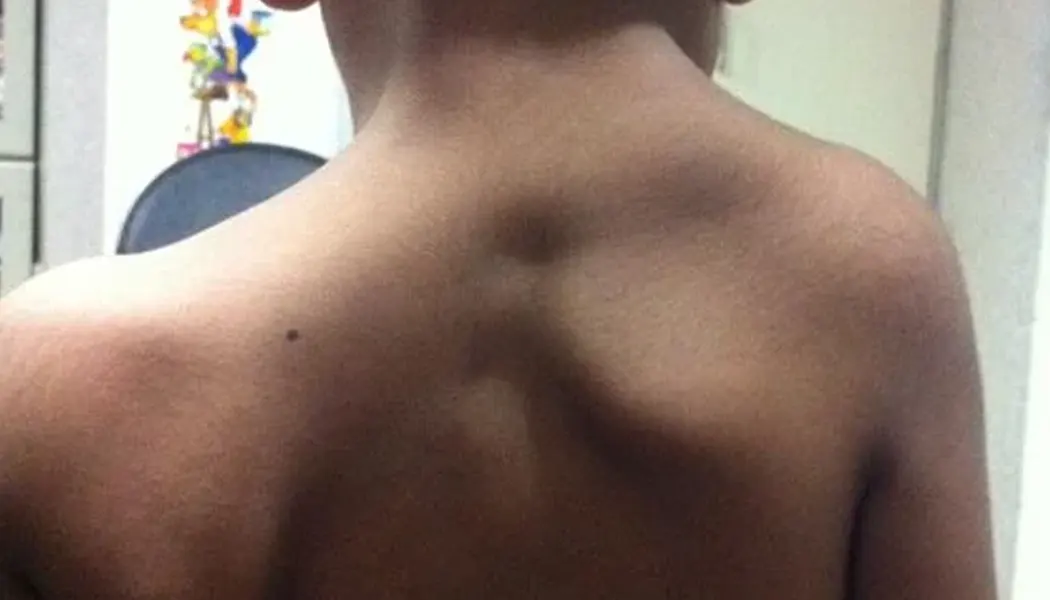
What is Sprengel’s Shoulder?
Sprengel’s Shoulder is a congenital deformity affecting the scapula, commonly known as the shoulder blade. During normal foetal development, the shoulder blades gradually move downward into their usual position on the upper back.
In Sprengel’s Shoulder, one or occasionally both shoulder blades remain positioned higher than normal. The affected scapula may also be smaller, differently shaped, or rotated compared with the opposite side.
The condition can vary significantly in severity. In mild cases, the main concern may be the appearance of uneven shoulders. In more significant cases, the elevated position of the scapula can restrict shoulder movement, particularly when lifting the arm overhead.
Some people with Sprengel’s Shoulder may also have associated abnormalities involving the neck, spine, ribs, or surrounding structures. One possible association is an omovertebral bone, an abnormal connection that may extend between the shoulder blade and the spine in some individuals.
A specialist assessment is important to understand the severity of the deformity, evaluate shoulder and spinal movement, and identify any associated conditions.
What Are The Symptoms Of Sprengel’s Shoulder?
One Shoulder Appears Higher: The most noticeable sign is often one shoulder sitting higher than the other.
Uneven Shoulder Appearance: The shoulder blades may appear asymmetrical, with one scapula positioned higher on the upper back.
Reduced Shoulder Movement: Raising the affected arm, especially above shoulder or head level, may be limited.
Difficulty with Overhead Activities: Activities such as reaching overhead, dressing, throwing, or certain sports movements may be more difficult.
Altered Shoulder Blade Position: The affected scapula may appear smaller, elevated, rotated, or positioned differently from the opposite side.
Neck Stiffness: Some individuals may experience reduced or uncomfortable neck movement, particularly if there are associated cervical spine abnormalities.
Muscle Weakness: Muscles around the shoulder blade and shoulder may be weak or function differently due to the altered position of the scapula.
Postural Changes: The body may adapt to the uneven shoulder position, contributing to altered upper-back and shoulder posture.
Discomfort or Pain: Some individuals may experience pain or muscular discomfort, particularly during repeated activity or movements beyond their available range.
Functional Limitations: More significant movement restrictions can affect sports, work, exercise, dressing, and other everyday activities.
What Are The Causes Of Sprengel’s Shoulder?
Sprengel’s Shoulder develops during foetal development and is present at birth. The exact cause is not completely understood.
Abnormal Scapular Development: The shoulder blade does not descend into its typical position during early development.
Altered Foetal Development: Changes in the normal development of the shoulder blade and surrounding structures can result in an elevated scapula.
Associated Spinal Abnormalities: Some individuals may have associated abnormalities affecting the cervical spine or upper part of the spine.
Klippel-Feil Syndrome: Sprengel’s Shoulder can occur alongside conditions such as Klippel-Feil syndrome, which involves congenital fusion of certain neck vertebrae.
Omovertebral Bone: Some individuals have an abnormal bony, cartilaginous, or fibrous connection between the shoulder blade and the spine, which may contribute to restricted movement.
Other Congenital Conditions: The condition may occasionally occur with other developmental abnormalities affecting the ribs, spine, muscles, or upper body.
Sprengel’s Shoulder is not caused by poor posture, exercise, or an injury after birth. The condition develops before birth.
Diagnosis Of Sprengel’s Shoulder
Medical History: A healthcare professional will ask about when the shoulder difference was noticed, movement difficulties, pain, functional limitations, and any history of associated developmental conditions.
Physical Examination: The shoulders, shoulder blades, neck, and upper spine are assessed for symmetry, scapular position, posture, and movement.
Shoulder Range of Motion Assessment: The ability to lift, rotate, and move the arm is assessed to identify functional limitations.
Scapular Movement Assessment: The position and movement of the shoulder blade during arm movement are evaluated.
Neck and Spinal Examination: The cervical spine and upper back may be examined because Sprengel’s Shoulder can be associated with other congenital spinal abnormalities.
X-Ray: X-rays can help assess the position and shape of the scapula and identify associated bony abnormalities.
CT Scan: A CT scan may provide detailed information about the shoulder blade, spine, and the presence of structures such as an omovertebral bone.
MRI Scan: An MRI may be considered when additional information is needed about the spinal cord, muscles, nerves, or other soft tissues.
Specialist Assessment: An orthopaedic specialist may assess the severity of the deformity and determine whether conservative management or surgical treatment is appropriate.
Treatment Of Sprengel’s Shoulder
Regular Monitoring: Mild cases with good shoulder function may require observation and periodic review.
Physiotherapy: A personalised physiotherapy programme may help suitable individuals maintain available shoulder and neck movement, improve strength, and support functional activities.
Mobility Exercises: Carefully selected exercises may help maintain or improve available movement in the shoulder, shoulder blade, and neck.
Strengthening Exercises: Exercises may target the shoulder, upper back, and scapular muscles to improve strength and movement control.
Postural Rehabilitation: Appropriate exercises and guidance may help improve posture and reduce muscular strain associated with altered shoulder positioning.
Activity Modification: Certain activities may be modified if they repeatedly cause discomfort or place excessive strain on the affected shoulder.
Pain Management: Where pain is present, a healthcare professional may recommend appropriate management based on the underlying cause and individual needs.
Surgical Treatment: Surgery may be considered in selected cases with significant functional limitation or a more severe deformity. The goal may be to improve the position of the scapula and increase shoulder movement. Suitability depends on factors such as age, severity, associated abnormalities, and specialist assessment.
Post-Surgical Rehabilitation: Following surgery and appropriate medical clearance, physiotherapy may help restore movement, strength, shoulder control, and everyday function.
What Is The Physiotherapy Treatment Of Sprengel’s Shoulder
Detailed Physiotherapy Assessment: At Pure Physio, treatment begins with assessing shoulder movement, scapular position, muscle strength, posture, neck mobility, pain, functional limitations, and individual goals.
Shoulder Mobility Exercises: Carefully selected exercises may help maintain and improve the available range of motion of the affected shoulder.
Scapular Movement Training: Therapy may focus on improving awareness and control of available shoulder blade movement during arm activities.
Shoulder and Upper-Back Strengthening: Progressive exercises may strengthen relevant muscles around the shoulder blade, shoulder, upper back, and trunk.
Postural Training: Appropriate guidance and exercises may help improve upper-body posture and reduce unnecessary muscular strain.
Neck Mobility Exercises: Where appropriate and based on the individual’s condition, exercises may address relevant neck movement limitations.
Functional Rehabilitation: Therapy is adapted around activities that are important to the individual, such as reaching, dressing, lifting, working, exercising, and participating in sports.
Pain and Muscle Tension Management: Where appropriate, physiotherapy techniques may be used to address muscular discomfort and soft tissue tightness.
Home Exercise Programme: A personalised programme may be provided to help maintain appropriate mobility and strength between physiotherapy sessions.
Post-Surgical Rehabilitation: For patients undergoing corrective surgery, rehabilitation is progressed according to the surgeon’s recommendations, healing, physical recovery, and individual functional goals.
Why Choose Pure Physio?
Personalised Assessment: We assess your shoulder movement, scapular position, posture, muscle strength, neck mobility, and functional limitations to understand your individual rehabilitation needs.
Individualised Treatment Plans: Every case of Sprengel’s Shoulder is different. Your programme is tailored according to the severity of the condition, physical abilities, symptoms, and personal goals.
Focus on Movement and Function: Our approach focuses on helping suitable patients make the best use of their available movement and improve confidence during everyday activities.
Comprehensive Rehabilitation: Treatment may include mobility exercises, shoulder and upper-back strengthening, scapular movement training, posture guidance, and functional rehabilitation.
Age-Appropriate Care: For children and young individuals, therapy can be adapted according to developmental stage, physical abilities, and everyday activity needs.
Support Before and After Surgery: Where surgery is recommended by a specialist, physiotherapy can support appropriate preparation and post-operative rehabilitation.
Long-Term Functional Support: We provide guidance and progressive rehabilitation to help suitable individuals maintain mobility, strength, posture, and shoulder function throughout different stages of life.
Start Your Recovery Journey Today
Don’t let pain, stiffness, or reduced mobility affect your daily life. Get personalised physiotherapy care designed around your condition and recovery goals.