
Spondylolisthesis
Reduce back pain, improve spinal stability, and move with greater confidence through personalised physiotherapy for Spondylolisthesis.
Contents
Take the First Step Towards Better Movement
Our experienced physiotherapists are here to help you improve mobility, regain strength, and move with greater comfort and confidence.
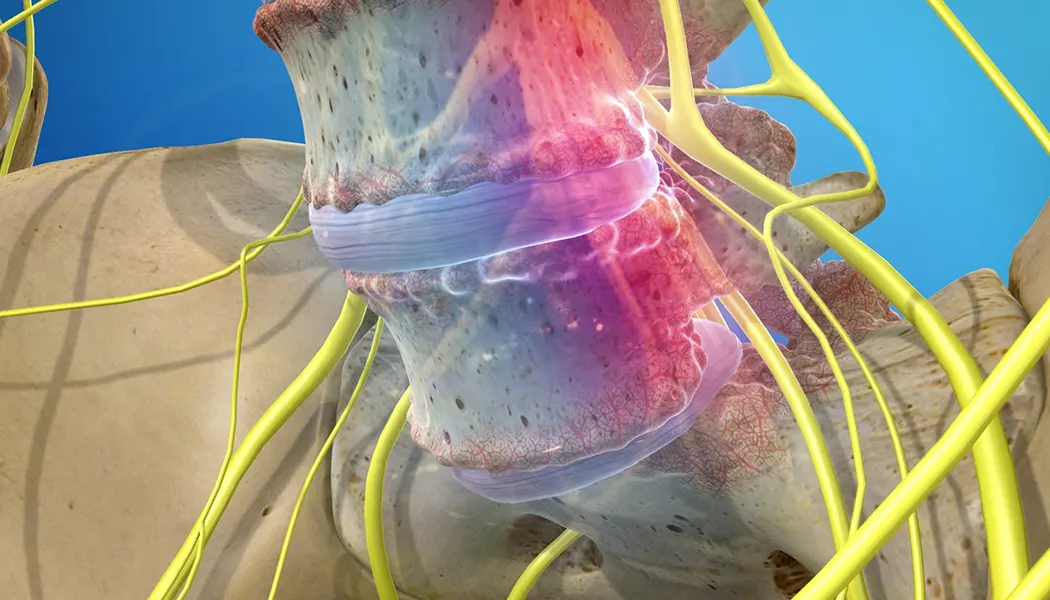
What is Spondylolisthesis?
Spondylolisthesis occurs when one spinal bone, called a vertebra, slips or moves forward relative to the vertebra beneath it.
It most commonly occurs in the:
Lumbar Spine
Particularly at:
L4-L5
or
L5-S1
The degree of movement can vary from mild to more significant.
Spondylolisthesis may be associated with:
Degenerative Changes
A Stress-Related Defect in Part of the Vertebra
Congenital or Developmental Factors
Trauma
Previous Spinal Conditions or Surgery
In some cases, the movement is identified on imaging without causing significant symptoms.
When symptoms occur, they may result from changes affecting:
Spinal Joints
Discs
Muscles
Ligaments
Nearby Nerves
The condition may be described using grades based on the amount of vertebral movement.
What Are The Symptoms Of Spondylolisthesis?
Common Symptoms
Lower Back Pain: Pain is commonly felt in the lower back.
Back Stiffness: The lower back may feel stiff or restricted.
Muscle Tightness: Tightness may develop in the lower back, buttocks, or hamstrings.
Pain During Standing: Prolonged standing may increase symptoms.
Pain During Walking: Some people experience increased discomfort with walking.
Pain During Certain Movements: Bending backward, lifting, twisting, or other movements may aggravate symptoms.
Other Possible Symptoms
Pain into the Buttocks: Discomfort may spread into one or both buttocks.
Leg Pain: Nearby nerve irritation may cause pain travelling into the thigh or leg.
Tingling or Numbness: Nerve involvement can cause altered sensation.
Leg Weakness: In more significant cases, nerve compression may contribute to weakness.
Hamstring Tightness: Tightness in the back of the thighs is common in some people.
Changes in Walking Pattern: Pain or stiffness may alter how you walk.
Reduced Exercise Tolerance: Running, jumping, lifting, or prolonged activity may become difficult.
Difficulty Standing Upright: Some people may feel more comfortable in a slightly bent position.
Reduced Balance or Confidence: Pain and weakness may affect movement confidence.
What Are The Causes Of Spondylolisthesis?
Spondylolisthesis can develop for different reasons.
Degenerative Changes: Age-related changes in the discs and spinal joints can reduce stability and allow one vertebra to move forward.
Spondylolysis: A stress-related defect in a part of the vertebra called the pars interarticularis can sometimes lead to vertebral slippage.
Repeated Spinal Extension: Sports or activities involving repeated backward bending may increase stress on the lower back in susceptible individuals.
Congenital Factors: Some people are born with spinal structures that increase the likelihood of vertebral movement.
Developmental Factors: Changes during growth may contribute to certain forms of spondylolisthesis.
Traumatic Injury: A significant injury can affect spinal structures and contribute to vertebral displacement.
Previous Spinal Surgery: Changes following certain spinal procedures may contribute to instability in some cases.
Spinal Conditions: Other diseases or structural conditions can occasionally affect vertebral stability.
Muscle Weakness or Poor Movement Control: These do not directly cause all cases of spondylolisthesis but may influence symptoms and the ability of the spine to tolerate physical demands.
Diagnosis Of Spondylolisthesis
Medical History: A healthcare professional will ask about your symptoms, previous injuries, activity levels, sport, work demands, and movements that worsen or relieve pain.
Physical Examination: The lower back, hips, legs, posture, movement, and muscle function are assessed.
Range of Motion Assessment: Forward bending, backward bending, side bending, and rotation may be evaluated.
Strength Testing: Core, hip, and lower-limb strength may be assessed.
Neurological Examination: Muscle strength, sensation, reflexes, and nerve-related symptoms may be evaluated when appropriate.
Walking Assessment: Your gait and movement pattern may be assessed.
Functional Assessment: Activities such as sitting, standing, lifting, bending, and other daily movements may be evaluated.
X-Rays: Standing X-rays are commonly used to assess spinal alignment and the degree of vertebral slippage.
Flexion-Extension X-Rays: Movement X-rays may be used in selected cases to assess possible spinal instability.
MRI Scan: MRI may be used when nerve compression, disc problems, or other soft-tissue structures need further assessment.
CT Scan: CT may provide detailed information about bone structures and pars defects in selected cases.
Treatment Of Spondylolisthesis
Treatment depends on the cause, degree of slippage, symptoms, nerve involvement, and effect on daily function.
Physiotherapy: A structured rehabilitation programme can help improve strength, movement control, and functional ability.
Activity Modification: Temporarily reducing movements or activities that significantly aggravate symptoms may help manage flare-ups.
Progressive Exercise: Carefully progressed exercises can improve spinal and lower-limb strength and tolerance.
Core Strengthening: Strengthening the muscles that support the trunk can improve spinal control.
Hip and Gluteal Strengthening: Improving hip strength can support movement and reduce unnecessary stress during functional activities.
Mobility Exercises: Exercises may help maintain comfortable movement in the hips, legs, and spine.
Pain Management: A healthcare professional may recommend medication or other strategies when required.
Heat or Cold Therapy: Some people may find temporary symptom relief with heat or cold.
Manual Therapy: Hands-on treatment may be used in selected cases as part of a broader rehabilitation programme.
Bracing: A brace may be recommended in selected cases, particularly depending on the type of condition and individual circumstances.
Injection Treatment: Healthcare professionals may consider injections in selected cases when appropriate.
Specialist Referral: Persistent symptoms, progressive neurological signs, or significant functional limitations may require assessment by a spinal or orthopaedic specialist.
Surgery: Surgery may be considered in selected cases involving significant symptoms, instability, or nerve compression that do not improve with appropriate conservative management.
What Is The Physiotherapy Treatment Of Spondylolisthesis
Detailed Assessment: At Pure Physio, we assess your pain, spinal and hip movement, posture, core strength, lower-limb strength, nerve-related symptoms, work demands, activity level, and functional limitations.
Individualised Rehabilitation Programme: Your treatment is tailored according to the type and severity of your condition, symptoms, physical abilities, lifestyle, activity demands, and recovery goals.
Pain Management Strategies: Appropriate treatment and exercise selection may help manage symptoms and support comfortable movement.
Activity and Load Management: We help you modify and gradually return to bending, lifting, standing, walking, work, exercise, and sport according to your symptoms and physical capacity.
Core Stability Training: Targeted exercises improve the strength, endurance, and control of the muscles supporting the trunk and spine.
Deep Abdominal Muscle Training: Exercises may focus on improving coordinated activation of deeper trunk muscles.
Spinal Movement Control Training: Rehabilitation helps improve control during bending, lifting, reaching, and other daily movements.
Hip and Gluteal Strengthening: Progressive exercises improve lower-limb strength and support efficient movement.
Lower-Limb Strengthening: Exercises target the thighs, calves, and other muscles important for standing and walking.
Hamstring Mobility Exercises: Carefully selected exercises may address tightness in the back of the thighs when present.
Hip Mobility Exercises: Improving appropriate hip movement may reduce unnecessary compensation through the lower back.
Functional Strength Training: Exercises focus on practical movements such as sitting, standing, squatting, carrying, and lifting.
Posture and Movement Education: We provide guidance on comfortable and efficient positions and movement strategies for everyday activities.
Movement Retraining: Therapy may address how you bend, lift, carry, reach, and perform work or sport-specific movements.
Balance Training: Exercises may improve stability and confidence during movement.
Walking Rehabilitation: We assess and guide walking patterns to support safe and efficient mobility.
Gradual Return to Exercise: Your rehabilitation progresses according to your symptoms, strength, movement control, and functional tolerance.
Sport-Specific Rehabilitation: For active individuals, exercises can be progressed according to the demands of their sport.
Home Exercise Programme: A personalised programme supports continued strengthening, mobility, and movement control between appointments.
Progress Monitoring: Your rehabilitation is regularly reviewed and adjusted according to pain, mobility, strength, neurological symptoms, and functional progress.
Why Choose Pure Physio?
Comprehensive Spinal Assessment: We assess pain, spinal movement, hip function, core strength, lower-limb strength, nerve-related symptoms, posture, and functional limitations.
Personalised Rehabilitation Plans: Your programme is tailored according to your diagnosis, symptoms, physical abilities, lifestyle, activity demands, and personal goals.
Focus on Spinal Stability and Control: Rehabilitation aims to improve the strength, endurance, and coordination of muscles supporting the spine.
Improve Core and Hip Strength: Progressive exercises target the trunk, hips, gluteals, and lower limbs to support functional movement.
Improve Movement Confidence: Carefully progressed rehabilitation helps you build confidence in everyday movements.
Functional Movement Training: Therapy focuses on practical activities such as standing, walking, sitting, bending, lifting, and carrying.
Posture and Movement Education: Practical guidance helps you understand strategies for managing daily activities comfortably.
Activity Management Support: We help you progressively return to work, exercise, and sport according to your symptoms and physical capacity.
Walking and Balance Training: Rehabilitation can support safe and confident mobility.
Sport-Specific Rehabilitation: Your programme can be adapted to the specific physical demands of your chosen activity or sport.
Safe Exercise Progression: Exercises are adjusted according to symptoms, movement control, strength, and functional improvement.
Home Exercise Guidance: You receive a personalised programme to support consistent progress between appointments.
Regular Progress Monitoring: Your rehabilitation is reviewed and adapted according to changes in pain, mobility, strength, neurological symptoms, and overall function.
Pre- and Post-Surgical Rehabilitation: If surgery becomes necessary, physiotherapy can support preparation and recovery according to your surgeon and medical team’s guidance.
Integrated Care Approach: We work alongside doctors, spinal specialists, orthopaedic surgeons, and other healthcare professionals when required.
Focused on Long-Term Spinal Health: Our goal is to reduce symptoms, improve spinal stability and strength, restore confident movement, and help you return to the activities that matter most.
Start Your Recovery Journey Today
Don’t let pain, stiffness, or reduced mobility affect your daily life. Get personalised physiotherapy care designed around your condition and recovery goals.