Spinal Stenosis
Reduce pain, improve mobility, and move with greater confidence through personalised physiotherapy for spinal stenosis.
Contents
Take the First Step Towards Better Movement
Our experienced physiotherapists are here to help you improve mobility, regain strength, and move with greater comfort and confidence.
What is Spinal Stenosis?
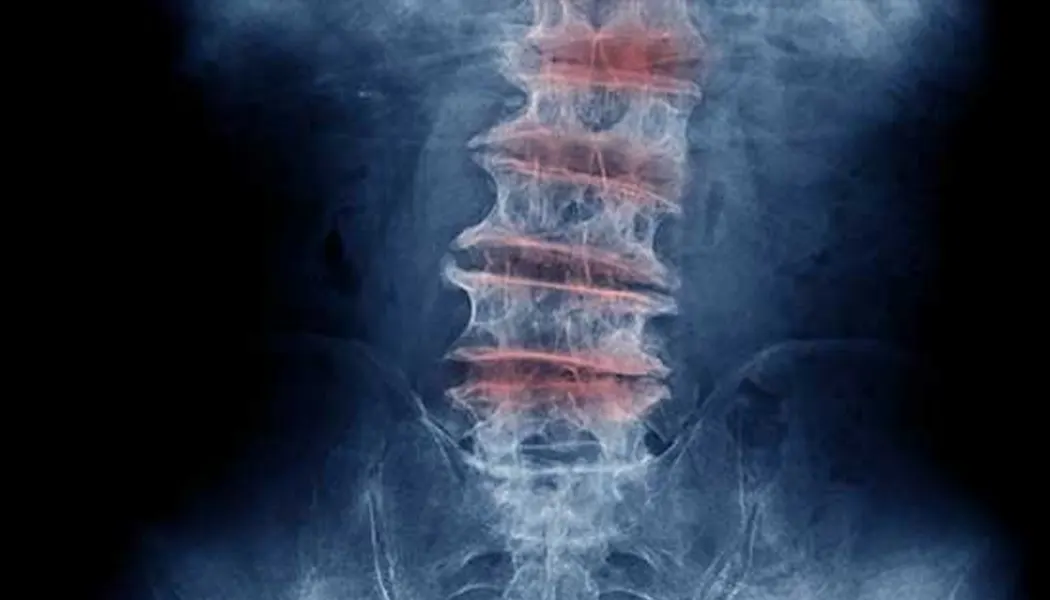
Spinal Stenosis is a condition in which the spaces within the spine become narrowed, reducing the room available for the spinal cord and surrounding nerves. It most commonly affects the lower back (lumbar spine) or the neck (cervical spine). Depending on the location and severity of narrowing, it can cause back or neck pain, numbness, tingling, weakness, and difficulty walking or standing for long periods. At Pure Physio, rehabilitation focuses on improving mobility, strength, posture, walking tolerance, and daily function through a personalised programme based on your symptoms and medical assessment.
Spinal Stenosis is the narrowing of one or more spaces within the spinal canal where the spinal cord and nerves travel. As these spaces become smaller, pressure or irritation can develop around the spinal cord or nerve roots. Spinal stenosis can occur in different areas of the spine, but it is most common in the lumbar spine, which is the lower back, and the cervical spine, which is the neck. The condition often develops gradually due to age-related changes such as disc degeneration, bone spurs, thickened ligaments, or enlargement of spinal joints. Some people may have spinal narrowing on imaging without symptoms, while others experience significant pain or neurological symptoms. In lumbar spinal stenosis, symptoms may become worse with prolonged standing or walking and improve when sitting or bending forward. In cervical spinal stenosis, significant narrowing can affect the spinal cord and may lead to a condition called cervical myelopathy, which requires appropriate medical assessment.
What Are The Symptoms Of Spinal Stenosis?
Symptoms vary depending on the area of the spine affected and the severity of nerve or spinal cord involvement.
Lumbar Spinal Stenosis Symptoms
Lower Back Pain: Pain or discomfort may be felt in the lower back.
Buttock Pain: Pain may spread into one or both buttocks.
Leg Pain: Pain may travel into one or both legs.
Numbness: Reduced sensation or numbness may occur in the legs or feet.
Tingling: Pins-and-needles sensations may be experienced.
Leg Weakness: The legs may feel weak, heavy, or tired.
Difficulty Walking: Walking for longer distances may become difficult.
Pain with Standing: Symptoms may increase during prolonged standing.
Neurogenic Claudication: Pain, heaviness, numbness, or weakness in the legs may develop while walking or standing and improve with sitting or bending forward.
Relief When Leaning Forward: Some individuals feel more comfortable leaning forwards, such as over a shopping trolley.
Cervical Spinal Stenosis Symptoms
Neck Pain: Pain or stiffness may occur in the neck.
Arm Pain: Pain may travel into the shoulders or arms.
Numbness or Tingling in the Arms: Altered sensation may occur in the hands or arms.
Hand Weakness: The hands may feel weak or less powerful.
Loss of Hand Dexterity: Fine movements such as buttoning clothes or handling small objects may become difficult.
Balance Problems: Significant spinal cord involvement can affect balance and walking.
Difficulty Walking: Walking may become unsteady or stiff.
Leg Stiffness or Weakness: Cervical spinal cord compression can affect the lower limbs.
Bladder or Bowel Changes: These can occur in severe cases and require urgent medical assessment.
Symptoms can vary, and some people with spinal stenosis may have few or no symptoms.
New or worsening weakness, difficulty walking, loss of hand coordination, numbness around the groin or saddle area, or new bladder or bowel changes require urgent medical assessment.
What Are The Causes Of Spinal Stenosis?
Spinal stenosis can develop when changes in the spine reduce the available space for nerves or the spinal cord.
Age-Related Degeneration: Wear-related changes in spinal discs and joints are a common cause.
Disc Bulge: A bulging disc may extend into the spinal canal and reduce available space.
Herniated Disc: Disc material can press on nearby nerves or contribute to narrowing.
Bone Spurs: Extra bone growth, known as osteophytes, can narrow the spinal canal.
Facet Joint Enlargement: Enlarged spinal joints can contribute to narrowing.
Ligament Thickening: Thickening of ligaments within the spine can reduce space in the spinal canal.
Degenerative Spondylolisthesis: One vertebra slipping forward relative to another can narrow spaces around the nerves.
Spinal Curvature Changes: Conditions such as scoliosis may contribute to uneven narrowing in parts of the spine.
Congenital Spinal Narrowing: Some people are born with a naturally narrower spinal canal.
Spinal Injury: Trauma can cause fractures, swelling, or structural changes that narrow the spinal canal.
Spinal Tumours: Rarely, an abnormal growth may reduce space around nerves or the spinal cord.
Inflammatory Conditions: Certain conditions may cause swelling or changes that affect the spinal canal.
The cause and location of spinal stenosis help determine the most appropriate treatment.
Diagnosis Of Spinal Stenosis
Medical History: A healthcare professional will ask about pain, numbness, weakness, walking ability, standing tolerance, and factors that relieve or worsen symptoms.
Physical Examination: The spine and affected limbs are assessed for movement, strength, sensation, and functional limitations.
Neurological Examination: Reflexes, muscle strength, sensation, coordination, and signs of nerve or spinal cord involvement may be evaluated.
Walking Assessment: Walking pattern, balance, distance tolerance, and changes in symptoms may be assessed.
Range of Motion Assessment: Movement of the neck or lower back is assessed carefully.
Functional Assessment: Activities such as standing, walking, climbing stairs, sitting, and bending may be evaluated.
X-Rays: X-rays can show spinal alignment, degenerative changes, and some structural abnormalities.
MRI: MRI provides detailed images of the spinal canal, discs, nerves, ligaments, and spinal cord.
CT Scan: CT can provide detailed information about bony narrowing and spinal structures.
CT Myelogram: This may be used in selected cases when MRI is unsuitable or additional information is needed.
Diagnosis is based on a combination of symptoms, clinical findings, and appropriate imaging. Spinal narrowing on an MRI does not always mean it is the cause of a person’s symptoms.
Treatment Of Spinal Stenosis
Treatment depends on the location and severity of narrowing, symptoms, neurological findings, and impact on daily life.
Activity Modification: Adjusting activities that significantly aggravate symptoms can help improve daily comfort.
Physiotherapy: A structured rehabilitation programme may improve mobility, strength, walking ability, and function.
Exercise Therapy: Carefully selected exercises help maintain physical capacity and movement.
Pain Management: A doctor may recommend suitable medication when required.
Postural Strategies: Some individuals benefit from movement or positions that reduce symptoms during standing and walking.
Walking Programme: Walking may be gradually progressed according to symptom tolerance.
Strengthening Exercises: Improving trunk, hip, and leg strength can support functional movement.
Mobility Exercises: Appropriate exercises can help maintain movement and flexibility.
Injections: Certain spinal injections may be considered in selected cases following appropriate medical assessment.
Surgery: Surgical decompression may be recommended when symptoms are severe, neurological problems are progressing, or conservative treatment has not provided sufficient improvement.
Spinal Fusion: Fusion may be considered in selected cases involving instability or spinal alignment problems.
Post-Surgical Rehabilitation: Physiotherapy can support recovery of mobility, strength, walking, and functional ability following surgery.
Treatment should always be individualised based on the underlying cause and the severity of nerve or spinal cord involvement.
What Is The Physiotherapy Treatment Of Spinal Stenosis
Detailed Assessment: At Pure Physio, we assess your pain, spinal movement, nerve-related symptoms, muscle strength, posture, balance, walking ability, and daily functional limitations.
Individualised Exercise Programme: Your rehabilitation plan is adapted according to the location of stenosis, your symptoms, physical ability, and medical recommendations.
Spinal Mobility Exercises: Carefully selected exercises help maintain comfortable movement.
Flexibility Training: Exercises may address tightness in the hips, legs, and surrounding muscles.
Core Strengthening: Progressive exercises improve trunk strength and control.
Hip and Leg Strengthening: Strengthening supports standing, walking, stair climbing, and other daily activities.
Postural Training: We provide guidance on positions and movement strategies that may help improve comfort during daily activities.
Walking Rehabilitation: A graded walking programme helps improve tolerance and confidence according to symptoms.
Balance Training: Exercises may improve stability and reduce the risk of falls.
Gait Training: Physiotherapy helps improve walking pattern and safe mobility.
Functional Exercise: Therapy focuses on practical activities such as sit-to-stand, stepping, bending, lifting, and stair climbing.
Activity Pacing: We help you manage physical activity and gradually build tolerance without unnecessary symptom flare-ups.
Manual Therapy: Appropriate hands-on techniques may be used as part of an overall rehabilitation programme when clinically suitable.
Education and Self-Management: We provide practical guidance on exercise, posture, movement, pacing, and daily activity modification.
Home Exercise Programme: A personalised programme supports regular rehabilitation between physiotherapy sessions.
Post-Surgical Rehabilitation: Following spinal surgery, treatment follows the surgeon’s precautions and a carefully staged recovery programme.
Progress Monitoring: Your rehabilitation programme is reviewed and adjusted according to changes in symptoms, walking tolerance, strength, mobility, and function.
Why Choose Pure Physio?
Detailed Spinal and Functional Assessment: We assess your symptoms, mobility, nerve function, strength, balance, walking ability, and everyday limitations.
Personalised Rehabilitation Plans: Your programme is adapted according to the location of stenosis, symptoms, physical ability, lifestyle, and recovery goals.
Focus on Safe Movement: Rehabilitation is designed around comfortable, controlled movement and appropriate activity progression.
Strength and Mobility Training: We help improve the physical capacity needed for standing, walking, and daily activities.
Walking and Balance Support: Treatment addresses walking tolerance, stability, and confidence.
Functional Rehabilitation: Therapy focuses on meaningful activities such as standing, walking, climbing stairs, bending, and moving safely.
Pain-Guided Exercise Progression: Exercises are progressed according to your symptoms and physical response.
Activity Pacing Strategies: We provide practical support for managing daily activities and avoiding unnecessary overexertion.
Fall Prevention Support: When balance or leg weakness is affected, rehabilitation can include strategies to improve stability and safety.
Pre and Post-Surgical Support: We can support physical rehabilitation before surgery and functional recovery after appropriate spinal procedures.
Regular Progress Monitoring: Your programme is reviewed and adjusted as your symptoms and physical function change.
Integrated Care Approach: When imaging, pain management, spinal injections, neurological assessment, or surgery is required, we support physiotherapy as part of a coordinated healthcare plan.
Focused on Long-Term Function: Our goal is to help improve mobility, strength, walking confidence, activity tolerance, and independence while supporting a safe return to the activities that matter to you.
Start Your Recovery Journey Today
Don’t let pain, stiffness, or reduced mobility affect your daily life. Get personalised physiotherapy care designed around your condition and recovery goals.