
Spinal Fusion
Recover safely, rebuild strength and mobility, and return to everyday activities with confidence through personalised physiotherapy after Spinal Fusion.
Contents
Take the First Step Towards Better Movement
Our experienced physiotherapists are here to help you improve mobility, regain strength, and move with greater comfort and confidence.
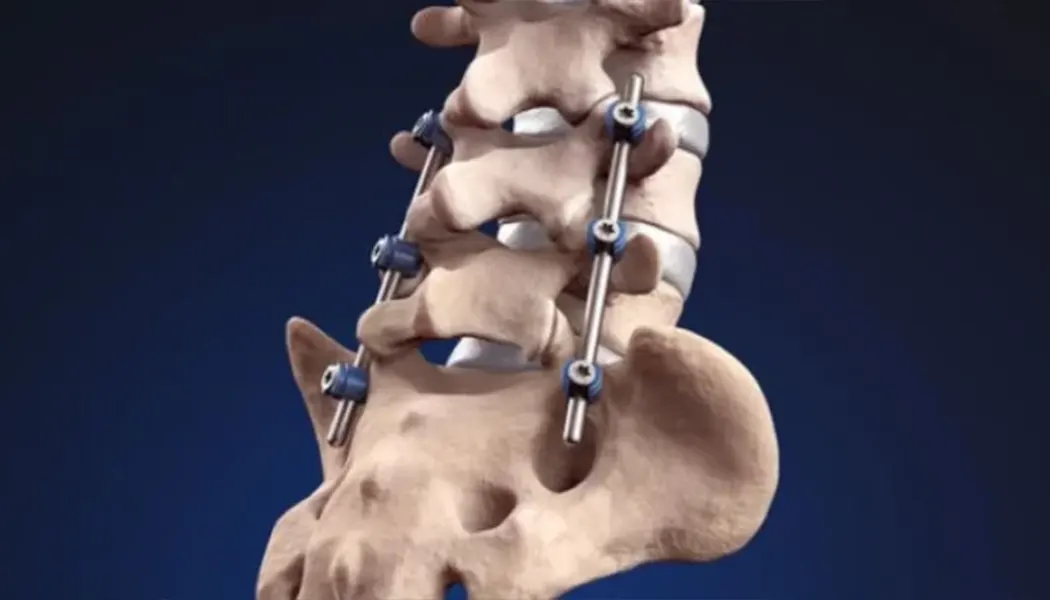
What is Spinal Fusion?
Spinal Fusion is a surgical procedure used to permanently join two or more vertebrae so they heal into a single, stable bone structure. It may be performed to treat spinal instability, certain degenerative conditions, deformities, fractures, or other spinal problems. Spinal fusion can be performed in the cervical, thoracic, or lumbar spine and may be combined with other procedures such as decompression, laminectomy, or discectomy. At Pure Physio, post-operative rehabilitation focuses on safe movement, gradual strengthening, improving mobility and function, and supporting a progressive return to work, exercise, and everyday activities according to your surgeon’s guidance.
What Are The Symptoms Of Spinal Fusion?
Symptoms vary depending on the underlying condition and the area of the spine affected. Some people may experience persistent neck or back pain, stiffness, pain that spreads into the arms or legs, tingling, numbness, or muscle weakness when nearby nerves are affected. Spinal instability or nerve compression may also cause difficulty standing, walking, bending, lifting, or performing everyday activities. In more significant cases, balance problems, reduced coordination, or changes in bladder or bowel function can occur and require urgent medical assessment. The type and severity of symptoms depend on the specific spinal condition, affected spinal level, and degree of nerve involvement.
What Are The Causes Of Spinal Fusion?
Spinal fusion may be recommended when there is a spinal condition causing instability, deformity, pain, or nerve compression that requires surgical stabilisation.
Spinal Instability: Excessive or abnormal movement between vertebrae may require stabilisation.
Spondylolisthesis: Forward movement of one vertebra relative to another may cause instability or nerve compression.
Degenerative Disc Disease: Significant disc degeneration may contribute to pain or spinal instability in selected cases.
Spinal Stenosis: Fusion may sometimes be performed alongside decompression surgery when stability is a concern.
Spinal Fractures: Unstable fractures may require surgical stabilisation.
Scoliosis or Other Spinal Deformities: Fusion may help correct or prevent progression of certain spinal deformities.
Severe Degenerative Changes: Advanced changes affecting spinal joints or discs may contribute to instability.
Recurrent Disc Problems: In selected cases, repeated disc problems may require additional stabilisation.
Previous Spinal Surgery: Fusion may occasionally be required following previous procedures when instability develops or additional support is needed.
Spinal Infection or Tumour: In selected cases, surgery may be required to stabilise the spine after treatment of an infection or removal of abnormal tissue.
The decision to perform spinal fusion is made by a spinal surgeon based on your symptoms, physical examination, imaging findings, spinal stability, and overall health.
Diagnosis Of Spinal Fusion
Medical History: Your doctor will discuss your symptoms, pain pattern, previous injuries or surgeries, medical history, and the impact on daily activities.
Physical Examination: The spine, posture, movement, muscle strength, sensation, reflexes, and functional ability may be assessed.
Neurological Examination: Doctors may check for signs of nerve or spinal cord involvement, including weakness, numbness, altered reflexes, balance problems, or coordination difficulties.
Range of Motion Assessment: Movement of the neck or back may be evaluated.
Walking and Functional Assessment: Walking, balance, standing, bending, and other daily movements may be assessed.
X-Rays: X-rays can help assess spinal alignment, degenerative changes, fractures, and structural abnormalities.
Flexion-Extension X-Rays: Movement X-rays may be used to assess abnormal spinal movement or instability.
MRI Scan: MRI can assess discs, nerves, the spinal cord, and other soft tissues.
CT Scan: CT provides detailed information about bone structures and may help assess fractures or complex spinal conditions.
The need for spinal fusion is determined using the complete clinical assessment, rather than imaging results alone.
Treatment Of Spinal Fusion
Treatment depends on the underlying spinal condition, severity of symptoms, degree of instability, and overall effect on daily function.
Physiotherapy: A structured rehabilitation programme may help improve strength, mobility, movement control, and functional ability.
Activity Modification: Adjusting activities that significantly aggravate symptoms may help manage discomfort.
Exercise Programme: Carefully selected strengthening, mobility, and functional exercises can support spinal and overall physical function.
Pain Management: A healthcare professional may recommend appropriate medication or other pain-management strategies.
Manual Therapy: Hands-on treatment may be used in selected cases as part of a broader physiotherapy programme.
Injection Treatment: In some cases, a specialist may consider injections to help manage pain or inflammation.
Bracing: A spinal brace may be recommended in selected cases depending on the underlying condition.
Lifestyle and Activity Guidance: Advice may be provided regarding movement, exercise, activity pacing, and safe participation in daily activities.
Surgical Assessment: Surgery may be considered when significant symptoms, spinal instability, deformity, or nerve compression do not respond adequately to appropriate non-surgical treatment.
Spinal Fusion: The surgeon stabilises the affected spinal segment and uses bone graft and, when required, implants to allow the vertebrae to heal together over time.
What Is The Physiotherapy Treatment Of Spinal Fusion
Post-Operative Assessment: At Pure Physio, we assess your pain, movement, strength, neurological symptoms, balance, walking ability, posture, functional limitations, and recovery status while following your surgeon’s guidance.
Individualised Rehabilitation Programme: Your programme is tailored according to your type of surgery, spinal region treated, healing stage, symptoms, physical abilities, lifestyle, and recovery goals.
Education and Recovery Guidance: We provide practical guidance regarding safe movement, activity progression, pacing, and following relevant post-operative precautions.
Early Mobility: Carefully guided movement, position changes, and walking help support a gradual return to everyday mobility when medically appropriate.
Walking Rehabilitation: Walking is progressively developed according to your recovery, symptoms, balance, and medical guidance.
Pain Management Strategies: Appropriate treatment and exercise selection may help manage post-operative discomfort.
Core Activation: Early rehabilitation may focus on gentle activation and coordinated control of the trunk muscles when appropriate.
Progressive Strengthening: Exercises gradually rebuild strength in the trunk, hips, gluteals, legs, and other muscles supporting functional movement.
Hip and Lower-Limb Strengthening: Targeted exercises support standing, walking, climbing stairs, and everyday activities.
Upper-Limb Rehabilitation: Following cervical fusion, appropriate exercises may address shoulder and arm movement and strength when required.
Balance Training: Targeted exercises help improve stability, coordination, and confidence during standing and walking.
Posture and Movement Training: We provide guidance on comfortable and efficient movement during sitting, standing, walking, reaching, and other daily activities.
Functional Movement Training: Rehabilitation progresses towards practical movements such as sitting, standing, stepping, reaching, carrying, and lifting when medically appropriate.
Activity Pacing: We help you gradually increase activity while avoiding sudden increases in physical demands.
Work Rehabilitation: Your programme can be progressed according to the physical requirements of your job.
Return to Exercise: A structured programme supports a gradual return to gym activities and other forms of exercise when medically appropriate.
Sport-Specific Rehabilitation: Active individuals can progress towards the specific physical demands of their sport.
Home Exercise Programme: A personalised programme supports continued recovery between appointments.
Progress Monitoring: Your rehabilitation is regularly reviewed and adjusted according to pain, mobility, strength, neurological symptoms, balance, walking ability, and functional progress.
Why Choose Pure Physio?
Comprehensive Post-Operative Assessment: We assess pain, movement, strength, neurological symptoms, balance, walking ability, posture, and functional limitations.
Personalised Rehabilitation Plans: Your programme is tailored according to your surgery, surgeon’s guidance, healing stage, physical abilities, lifestyle, and personal goals.
Safe Recovery Progression: Rehabilitation progresses according to your healing, symptoms, strength, balance, and functional ability.
Restore Movement Confidence: Carefully selected exercises help you gradually return to safe and confident movement.
Rebuild Whole-Body Strength: Progressive rehabilitation targets the trunk, hips, gluteals, legs, and other muscles supporting everyday function.
Improve Walking and Balance: Therapy focuses on safe, efficient, and confident mobility.
Functional Movement Training: Rehabilitation targets meaningful activities such as sitting, standing, walking, climbing stairs, reaching, carrying, and lifting.
Activity Pacing Guidance: We help you gradually increase physical activity according to your symptoms and recovery.
Work and Lifestyle Rehabilitation: Your programme can be tailored to the physical demands of your work and daily routine.
Return to Exercise Support: Rehabilitation can guide a gradual return to gym training and other physical activities when medically appropriate.
Sport-Specific Rehabilitation: Active individuals receive a structured progression towards their sporting demands.
Home Exercise Guidance: You receive a personalised programme to support consistent recovery between appointments.
Regular Progress Monitoring: Your rehabilitation is reviewed and adapted according to changes in pain, mobility, strength, neurological symptoms, and overall function.
Integrated Care Approach: We work alongside your surgeon, doctor, spinal specialist, orthopaedic surgeon, and other healthcare professionals when required.
Focused on Long-Term Functional Recovery: Our goal is to support safe healing, rebuild strength and movement confidence, improve function, and help you return to the activities that matter most.
Start Your Recovery Journey Today
Don’t let pain, stiffness, or reduced mobility affect your daily life. Get personalised physiotherapy care designed around your condition and recovery goals.