
Spina Bifida
Support mobility, strength, independence, and everyday confidence with personalised physiotherapy for people living with spina bifida.
Contents
Take the First Step Towards Better Movement
Our experienced physiotherapists are here to help you improve mobility, regain strength, and move with greater comfort and confidence.
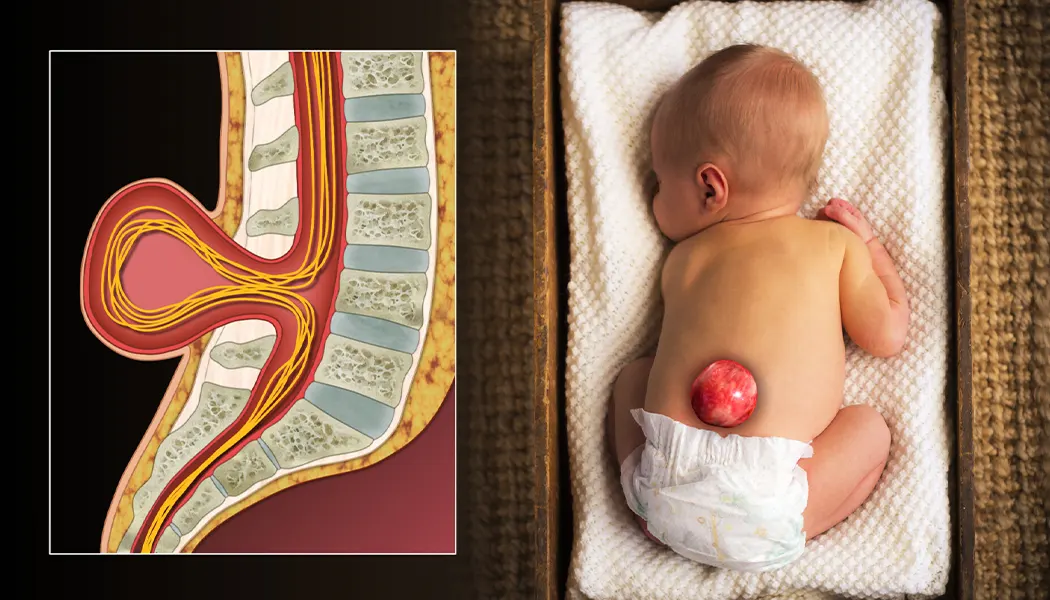
What is Spina Bifida?
Spina Bifida is a type of neural tube defect that develops during the early stages of pregnancy when the structures that form the brain and spinal cord do not close completely. This can result in an opening or abnormal development of the spine, which may affect the spinal cord and nerves.
There are different forms of spina bifida. Spina bifida occulta is usually the mildest form and may cause few or no symptoms. Meningocele involves a sac containing membranes protruding through an opening in the spine. Myelomeningocele, often referred to as open spina bifida, is generally the most severe form and involves the spinal cord and nerves.
The effects of spina bifida depend on the type of condition and the level of the spinal involvement. Some individuals may have normal mobility, while others may experience weakness or paralysis in the legs, altered sensation, joint deformities, difficulties with walking, and bladder or bowel problems. With appropriate medical care and rehabilitation, many people with spina bifida can improve function and maintain a high level of independence.
What Are The Symptoms Of Spina Bifida?
The symptoms and physical effects vary significantly depending on the type and level of spinal involvement.
Movement And Muscle Symptoms
Leg Weakness: Weakness may affect one or both legs.
Reduced Muscle Control: Some muscles may have reduced voluntary control.
Paralysis: More severe forms can cause partial or complete paralysis below the level of spinal involvement.
Reduced Muscle Strength: Muscles may be weaker due to reduced nerve supply.
Difficulty Walking: Walking ability can vary depending on the level of weakness.
Reduced Balance: Muscle weakness and altered sensation may affect stability.
Reduced Coordination: Movement control may be affected in some individuals.
Sensory Symptoms
Reduced Sensation: Touch, pressure, temperature, or pain sensation may be reduced below the affected spinal level.
Numbness: Some areas of the lower body may have reduced or absent sensation.
Reduced Awareness of Injury: Reduced sensation can make it harder to notice cuts, pressure, burns, or skin injuries.
Musculoskeletal Problems
Joint Stiffness: Limited movement can contribute to stiffness.
Contractures: Muscles and soft tissues may become shortened over time.
Hip Problems: Hip alignment or movement may be affected.
Foot Deformities: Foot shape and positioning may be altered.
Scoliosis: Curvature of the spine may occur.
Postural Changes: Muscle imbalance may affect posture and sitting control.
Bladder And Bowel Problems
Neurogenic Bladder: Nerve-related changes can affect bladder control and emptying.
Bowel Dysfunction: Bowel control may be affected.
These concerns require appropriate medical management.
Associated Conditions
Hydrocephalus: Some people, particularly those with myelomeningocele, may develop an accumulation of cerebrospinal fluid in the brain.
Chiari II Malformation: Changes in the structure of the lower part of the brain can occur in some individuals with myelomeningocele.
Learning or Cognitive Difficulties: Some individuals may experience difficulties with learning, attention, or executive function.
Not everyone with spina bifida experiences all of these effects.
What Are The Causes Of Spina Bifida?
Spina bifida develops very early in pregnancy and is believed to result from a combination of genetic and environmental factors.
Incomplete Neural Tube Closure: The neural tube does not close completely during early fetal development.
Low Folate Levels: Insufficient folate before and during early pregnancy is associated with an increased risk of neural tube defects.
Genetic Factors: Family history and genetic factors may influence risk.
Certain Medications: Some medicines can increase the risk of neural tube defects when used during pregnancy.
Maternal Health Factors: Certain health and metabolic factors may increase risk.
Environmental Factors: Various environmental influences may contribute to risk.
Taking folic acid before conception and during early pregnancy can significantly reduce the risk of neural tube defects, although it cannot prevent every case.
Diagnosis Of Spina Bifida
Before Birth
Prenatal Ultrasound: Ultrasound can identify many forms of spina bifida during pregnancy.
Maternal Blood Tests: Certain screening tests may indicate an increased risk of neural tube defects.
Detailed Fetal Assessment: Further imaging and specialist assessment may be recommended when spina bifida is suspected.
After Birth
Physical Examination: Healthcare professionals examine the spine, movement, muscle strength, and neurological function.
Spinal Imaging: Ultrasound, MRI, or other imaging may assess the spinal structures.
Brain Imaging: Imaging may be used to assess for hydrocephalus or associated brain changes.
Neurological Assessment: Nerve and muscle function are assessed.
Orthopaedic Assessment: The hips, legs, feet, spine, and joints may be evaluated.
Urological Assessment: Bladder and kidney function may require ongoing assessment.
Diagnosis and ongoing management usually involve a multidisciplinary medical team.
Treatment Of Spina Bifida
Treatment depends on the type and severity of spina bifida and the individual’s specific needs.
Surgical Management: Surgery may be required to close an open spinal defect.
Hydrocephalus Management: Procedures may be required to manage increased cerebrospinal fluid.
Physiotherapy: Physiotherapy supports mobility, strength, flexibility, posture, and functional independence.
Occupational Therapy: Occupational therapy can support self-care, hand function, independence, and participation in daily activities.
Orthotic Management: Braces may help support joint alignment and mobility.
Mobility Aids: Walking aids or wheelchairs may support safe and independent mobility.
Orthopaedic Management: Surgery or other treatment may be required for significant joint, hip, foot, or spinal problems.
Bladder Management: Medical strategies and catheterisation programmes may be required for neurogenic bladder.
Bowel Management: Individualised programmes can support bowel function.
Skin Care: Regular skin checks are important, particularly in areas with reduced sensation.
Regular Monitoring: Ongoing medical review helps identify and manage changing needs and complications.
Management is individualised and may continue throughout childhood and adulthood.
What Is The Physiotherapy Treatment Of Spina Bifida
Detailed Assessment: At Pure Physio, we assess muscle strength, joint movement, sensation-related functional issues, posture, balance, mobility, walking ability, and everyday functional needs.
Individualised Rehabilitation Programme: Treatment is designed according to the level of spinal involvement, physical abilities, age, goals, and overall medical needs.
Strengthening Exercises: Appropriate exercises help develop and maintain available muscle strength.
Range of Motion Exercises: Regular movement helps maintain joint mobility.
Stretching Programme: Stretching may help reduce the risk of muscle shortening and contractures.
Postural Management: Therapy supports comfortable and efficient sitting, standing, and body positioning.
Balance Training: Exercises can help improve stability and movement confidence.
Walking Rehabilitation: Physiotherapy supports the development or maintenance of safe and efficient walking when appropriate.
Gait Training: Treatment addresses step control, leg alignment, balance, and walking efficiency.
Transfer Training: Therapy can improve skills such as moving between a bed, chair, wheelchair, or standing position.
Functional Training: Rehabilitation focuses on practical activities such as sitting, standing, walking, stairs, self-care, and community mobility.
Orthotic Support: Physiotherapy can work alongside orthotic services to support the use of braces and improve mobility.
Mobility Aid Training: Guidance can be provided for the safe use of walking aids or wheelchairs.
Wheelchair Mobility: Training may help improve independence and safe movement for individuals who use a wheelchair.
Spinal and Postural Exercises: Appropriate exercises may support spinal mobility and postural control.
Contracture Prevention: Regular movement, stretching, and positioning can help reduce the risk of joint stiffness and soft-tissue shortening.
Skin Protection Education: Individuals with reduced sensation may require guidance on safe positioning and regular skin checks.
Home Exercise Programme: A personalised programme supports continued movement and physical development.
Progress Monitoring: Treatment is regularly reviewed and adapted as physical needs, growth, and functional abilities change.
Why Choose Pure Physio?
Comprehensive Functional Assessment: We assess strength, movement, posture, balance, mobility, walking ability, and everyday functional needs.
Personalised Rehabilitation Plans: Treatment is tailored to the individual’s level of ability, spinal involvement, age, and personal goals.
Focus on Mobility and Independence: Rehabilitation supports meaningful movement and participation in everyday life.
Strength and Flexibility Support: Exercises help maintain available muscle strength and joint mobility.
Postural Management: We address sitting, standing, spinal alignment, and comfortable positioning.
Walking and Gait Rehabilitation: Therapy supports safe and efficient walking when appropriate.
Balance and Movement Training: Exercises help improve stability, coordination, and confidence.
Functional Skill Development: Rehabilitation focuses on practical skills needed at home, school, work, and in the community.
Contracture Prevention: We use appropriate movement and positioning strategies to support long-term joint mobility.
Orthotic and Mobility Aid Support: We can work alongside other healthcare providers to support the effective use of braces, walking aids, and wheelchairs.
Home Rehabilitation Guidance: You receive practical exercises and strategies to support continued progress outside physiotherapy sessions.
Regular Progress Monitoring: Your programme is reviewed and adapted as physical needs and goals change.
Integrated Care Approach: We support rehabilitation alongside neurologists, neurosurgeons, orthopaedic specialists, urologists, occupational therapists, orthotists, and other healthcare professionals when required.
Focused on Long-Term Function and Quality of Life: Our goal is to help maximise mobility, independence, physical confidence, and participation in the activities that matter most.
Start Your Recovery Journey Today
Don’t let pain, stiffness, or reduced mobility affect your daily life. Get personalised physiotherapy care designed around your condition and recovery goals.